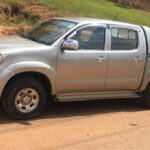
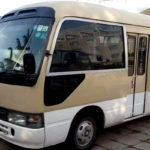
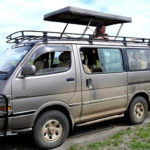
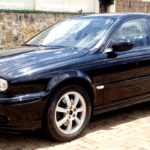
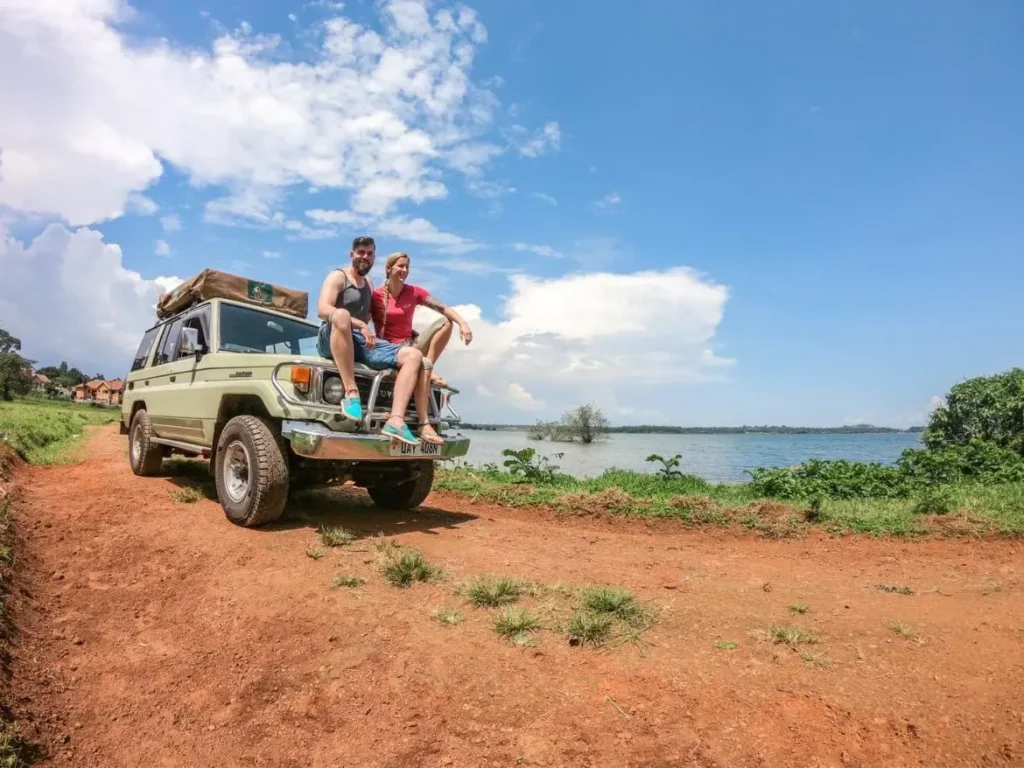
American visitors researching self-drive in Rwanda tend to run into two problems. First, most “foreign driver” guides for Rwanda are written broadly for Europeans and lump US visitors in as an afterthought, glossing over the details that actually differ for a US license. Second, US travelers bring assumptions from home — about insurance, about road rules, about what a rental company will and won’t ask for — that don’t map cleanly onto Rwanda. This is a guide written specifically for the US side of that gap.
The One Thing That Makes This Easier Than You’d Expect
Here’s some good news buried in most guides: Rwanda drives on the right-hand side of the road, exactly like the US. If you’ve ever hesitated about self-driving in a former British colony because of the left-hand-side switch, that’s not a factor here — steering wheel position, lane discipline, and roundabout direction all match what you already know. This alone puts Rwanda ahead of several other popular African self-drive destinations for American visitors.
Can You Drive on a US License?
Yes, for a limited period. A standard US driver’s license, being printed in English (Latin script), is generally accepted for tourist driving in Rwanda for up to 90 days from your arrival date. You don’t need to convert to a local license for a standard visit.
Two things worth knowing that are specific to holding a US license rather than a European one:
- US licenses vary by state, and their format and layout aren’t standardized the way, say, an EU license is. Rwandan police and rental staff simply see far fewer US licenses than European ones, which means a US license can occasionally draw a second look at a checkpoint purely because it’s less familiar — not because anything is wrong with it.
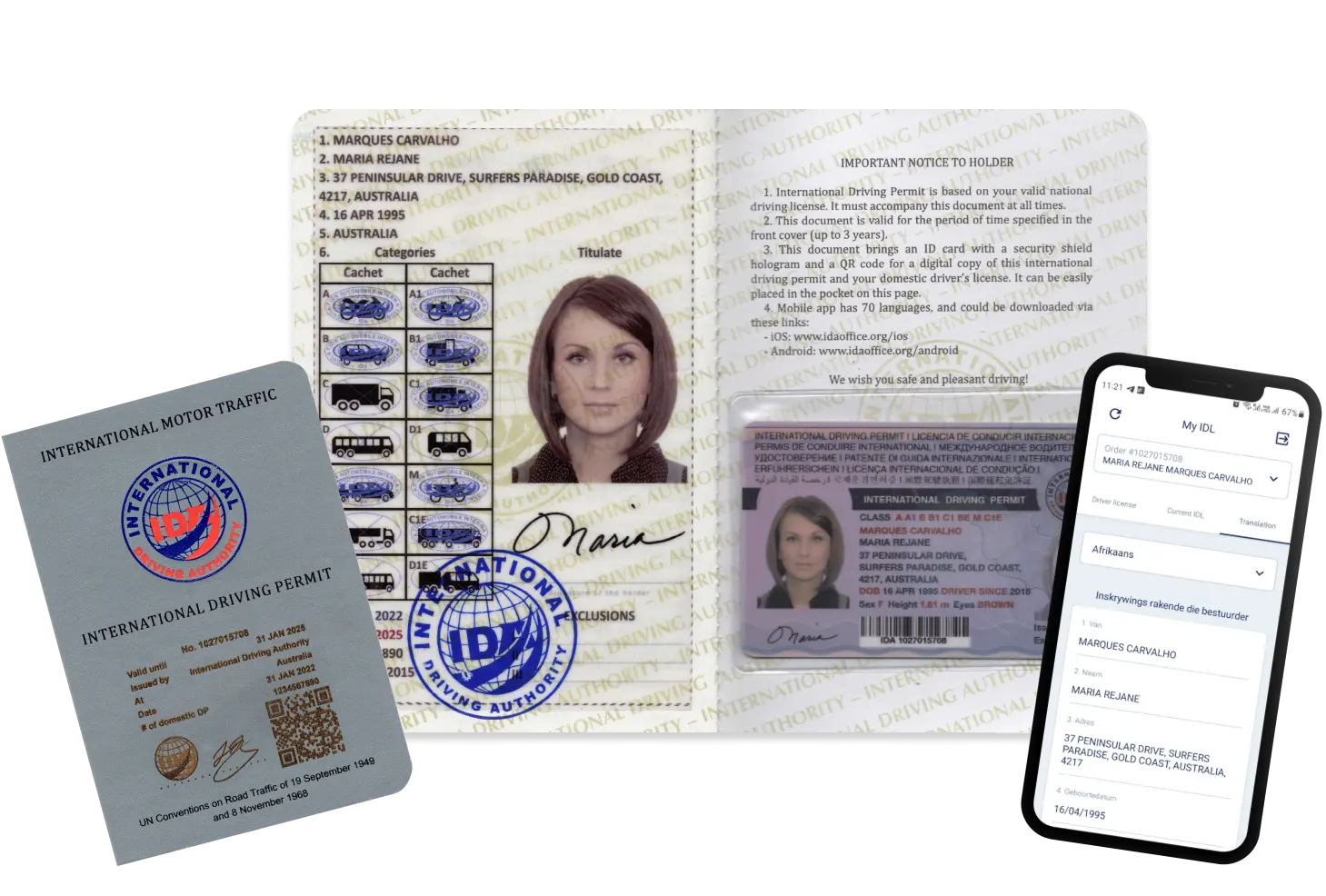
- Get an International Driving Permit (IDP) before you travel anyway. It isn’t always strictly mandatory if your home license is in English, but it functions as an official translation and reference document that speeds up any checkpoint interaction, and many rental companies request one as standard policy regardless of your license’s language. In the US, an IDP is inexpensive and quick to get through AAA or the National Auto Club — apply before you leave, since it can’t be arranged once you’re in Rwanda.
If you’re staying longer than 90 days, you’re required to apply for a Rwandan driving license through the Rwanda National Police — relevant if you’re relocating or on an extended work assignment rather than visiting.
What Rental Companies Will Actually Ask For
Beyond the license itself, expect these standard requirements, which apply to US visitors the same as anyone else:
- A valid passport with at least six months’ remaining validity, plus your Rwandan visa or entry stamp.
- Minimum age requirements, typically 21–25 depending on the company, with some insurers applying an upper age limit (often around 65–70) on certain vehicle categories.
- At least one to two years of driving experience, which a standard US license held since your teens will comfortably satisfy — but it’s a real question you may be asked.
- A refundable security deposit, usually held against a credit card rather than charged outright.
Carry your physical license, not just a photo of it — checkpoints and rental staff expect the original document.
Insurance: Where US Assumptions Break Down
This is the part American travelers most often get wrong, largely because of how car rental insurance works back home.
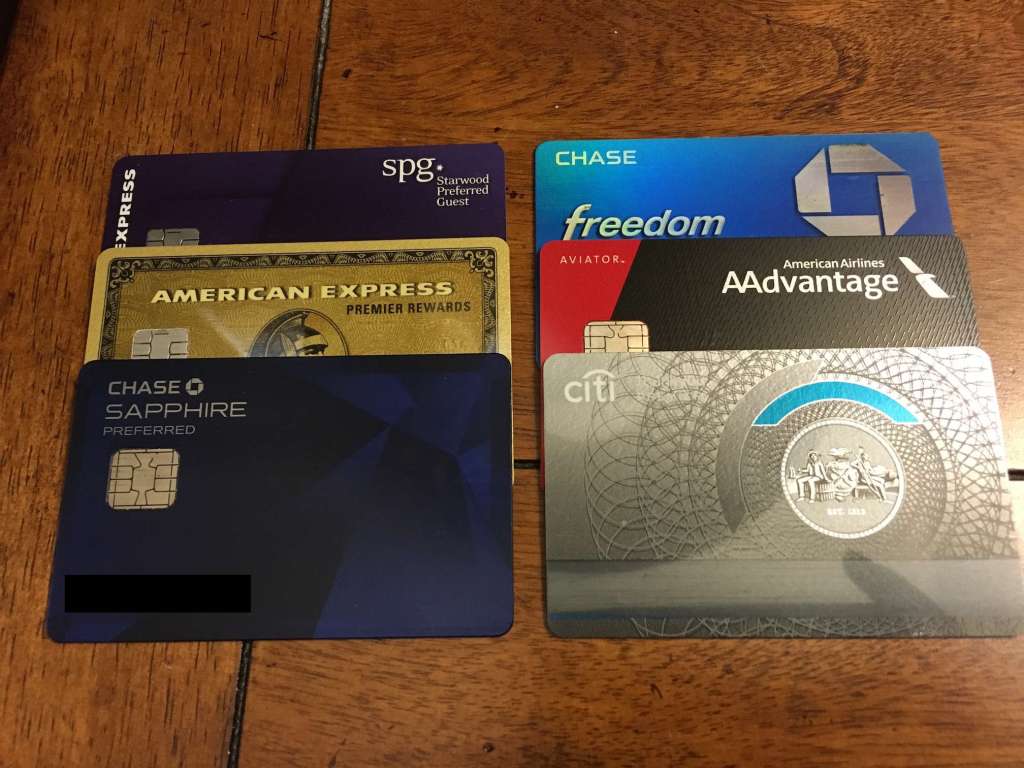
Your US credit card’s rental coverage almost certainly doesn’t apply here. Many US credit cards include collision damage waiver coverage as a card benefit, and a lot of travelers assume that coverage travels with them everywhere. In practice, most major US card issuers explicitly exclude several African countries — including, in many cases, Rwanda — from their rental car insurance benefits, or apply significant restrictions. Don’t assume your card has you covered; check your specific card’s exclusion list before you rely on it, and treat rental company insurance as your primary coverage rather than a backup.
Your US auto insurance policy doesn’t extend to Rwanda either. This is standard for international travel generally, but worth stating plainly: a US personal auto policy covers you in the US (and sometimes Canada), not overseas.
What this means practically: budget for the rental company’s own insurance as a real cost, not an optional add-on, and understand what it covers before you drive off:
- Confirm whether the quoted rate already includes comprehensive coverage or whether it’s offered as an add-on — Rwandan rental listings handle this differently company to company.
- Ask about the excess (deductible) — the amount you’re responsible for out of pocket in the event of damage — and whether it can be reduced with an additional daily fee.
- Confirm what’s excluded. Damage from driving on unpaved or off-limits roads, or from off-roaming outside marked tracks, is a common exclusion worth understanding before you plan a route through rural or park areas.
Road Rules That Differ From the US
The rules of the road are broadly similar to US norms, but a few specifics catch American drivers off guard:
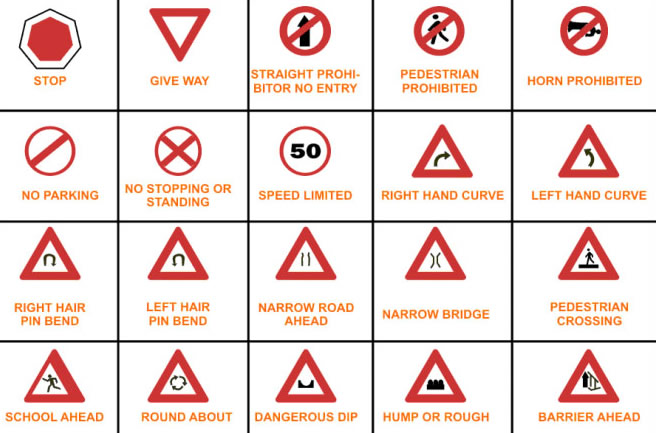
- Speed limits are in km/h, not mph. Urban limits are typically 40–60 km/h (25–37 mph), and open highway limits run higher — glance at your speedometer’s second scale rather than doing mental conversion math on the fly.
- Seatbelt and phone laws are strictly enforced, more consistently than in much of the US. Seatbelts are required for all occupants, and handheld phone use while driving is prohibited — expect this to actually be enforced at checkpoints, not just written into law.
- Rwanda’s blood alcohol limit is stricter than many US states. Don’t assume the “one beer is fine” math you might use at home; treat any drinking-and-driving line as effectively zero-tolerance.
- Motorcycle taxis (moto-taxis) are everywhere, including on main roads, and they weave through traffic in ways that take some adjustment if you’re used to US traffic patterns. Give them a wider berth than instinct suggests, particularly in Kigali.
- Police checkpoints on main roads are routine, not a sign that something’s wrong. They’re generally brief and professional — have your license, IDP, and rental documents accessible, and treat them as a normal part of driving here rather than something to be anxious about.
- Roundabouts are common in Kigali and function on a yield-to-traffic-already-in-the-circle basis, similar to how they work in most of the US where roundabouts exist — the concept isn’t new, just more frequently used here than in most American cities.
The Practical Checklist for US Travelers
Before you fly:
- Confirm your US license is current and will remain valid through your entire trip.
- Apply for an International Driving Permit through AAA or the National Auto Club — allow a few weeks.
- Check your specific credit card’s terms for international rental car coverage exclusions, and don’t count on it for Rwanda.
- Budget separately for rental company insurance as a real line-item cost.
On arrival:
- Carry your physical US license and IDP together at all times while driving.
- Confirm your rental’s insurance coverage and excess amount before signing.
- Keep both documents in the car, not left back at your accommodation.
Handled this way, driving in Rwanda as an American isn’t meaningfully harder than in most of Europe — the right-hand driving convention alone removes the single biggest adjustment most US travelers worry about. The details that actually matter are the insurance gap most Americans don’t expect and getting the IDP sorted before you leave, not the driving itself.
Ready to book? Self-drive car rental rates include comprehensive insurance as standard — ask us directly about excess amounts and IDP requirements when you inquire, and we’ll confirm exactly what’s covered before you arrive.
More Stories
Cross Border Car Rental: Driving from Rwanda to Uganda
Rent a Car in Rwanda For Self Drive & With A Driver
Renting a Car in Rwanda With Kids: Safety & Child Seat Tips