The Road That Connects Two Great Safari Nations
There is a journey that East Africa’s most experienced travellers keep returning to — not because of any single destination, but because of the seamless, extraordinary sweep of what it connects. You leave Kigali in the cool of the morning, Rwanda’s clean boulevards giving way to the rising terraced hillsides of the southwest. Two to three hours later, you are crossing one of the continent’s most historically significant land borders. By early afternoon, you are inside Uganda — the Pearl of Africa — on your way to gorilla country, crater lake landscapes, or the great savannah parks of the west.
The Rwanda–Uganda border crossing is one of East Africa’s most important travel routes, both for tourism and commerce. Following a period of diplomatic tension that led to border closures between 2019 and 2022, both countries have taken important steps to normalize relations, and as of 2025, the key border posts of Cyanika and Katuna are fully operational, allowing travellers to move freely between southwestern Uganda and northern Rwanda.
For the self-drive traveller, this is exceptional news. A rental vehicle in Rwanda that is properly documented and authorised for cross-border travel, connects you to an itinerary that simply cannot be replicated any other way: gorilla trekking in Volcanoes National Park, a border crossing through volcanic highland scenery, and onward to Bwindi Impenetrable Forest, Queen Elizabeth National Park, Kibale’s chimpanzees, or Kidepo Valley — all in the same vehicle, on your own timeline.
This is the complete guide to crossing from Rwanda into Uganda by road. It covers every border crossing point, every document you need, the step-by-step process at the border, what to expect from the roads on both sides, and how Rwanda Car Rental Services makes the entire journey seamless.
Why Cross By Road? The Case for an Overland Journey
Before diving into logistics, it is worth understanding why the Rwanda–Uganda road crossing is worth choosing over flying between Kigali and Entebbe.
Time efficiency to Bwindi. The driving time from Kigali to Bwindi depends on where you come from. If you are from Kigali, Rwanda, it is a 3–4 hour drive, while from Kampala or Entebbe Airport, it is 8–9 hours. For anyone whose primary Uganda destination is Bwindi Impenetrable Forest — which is the most common reason travellers cross this border — flying into Kigali and driving overland is dramatically more efficient than flying into Entebbe.
Cost. A flight from Kigali to Entebbe, followed by a road transfer to Bwindi, involves two separate vehicles, two sets of airport logistics, and the cost of the flight itself. Crossing by road in a single vehicle eliminates all of this complexity and, for most groups of two or more travellers, represents a significant saving.
The journey itself. The road between Kigali and southwestern Uganda passes through some of the most dramatic highland scenery in East Africa. Volcanic mountains, terraced hillsides, twin lakes, and the border highlands of Kisoro and Kabale districts are worth experiencing at road level — slowly, with windows down, on your own schedule. No flight replicates this.
Multi-park flexibility. A self-drive vehicle crossing the border opens up itineraries that are logistically impossible any other way — Volcanoes National Park in Rwanda followed by Bwindi in Uganda, with Queen Elizabeth and Kibale as extensions, all in a single, continuous road trip. This is East Africa’s great primate circuit, and it is done best behind the wheel.
The Two Border Crossing Points: A Detailed Comparison
There are two primary crossing points for tourist traffic between Rwanda and Uganda. Understanding which one to use — and why — is the first decision of any Rwanda–Uganda road trip.
Border Post 1: Gatuna (Rwanda) / Katuna (Uganda)
Location: Katuna is about 80km by road from Kigali city, 28km from the nearby Kabale town, and about 32km from Lake Bunyonyi.
Drive time from Kigali: Approximately 2 hours
Operating hours: 24 hours, 7 days a week
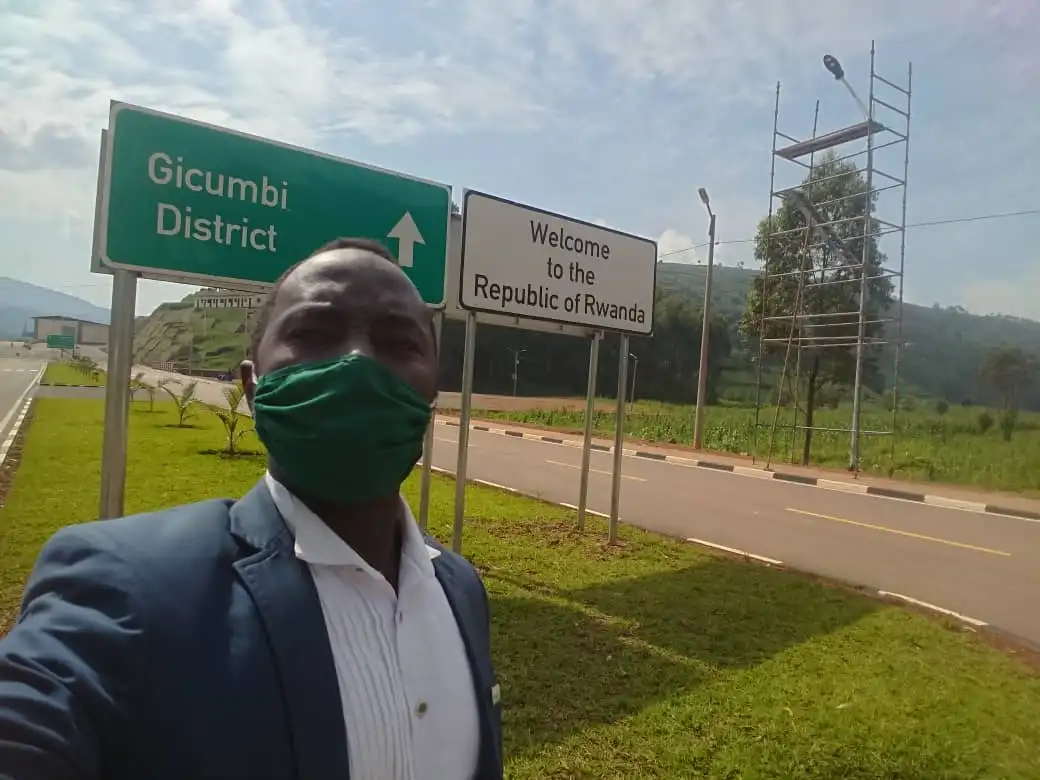
Character: Known as Gatuna in Rwanda and Katuna in Uganda, the border post is the entrance point for travellers and goods crossing from Uganda to Rwanda and vice versa. Most of the goods heading to Rwanda from Kenya pass through the Gatuna border. It has greater tour and commercial traffic than the Cyanika border crossing.
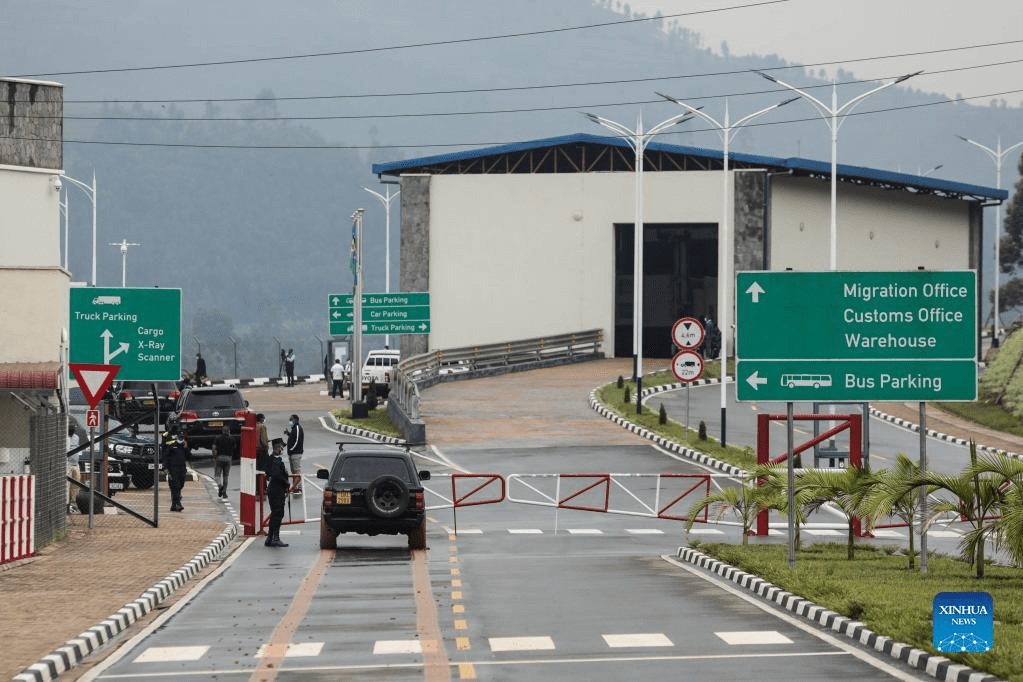
Border infrastructure: The Gatuna/Katuna border post has been recently modernized to improve efficiency, reduce waiting times, and strengthen security under the One Stop Border Post (OSBP) system. Under the OSBP arrangement, Rwandan and Ugandan immigration and customs officials operate side-by-side in a single shared facility — meaning you complete both exit and entry procedures in one location without crossing a no-man’s land on foot.
Best for: Travellers heading to Bwindi’s Ruhija, Buhoma, or Nkuringo sectors; Lake Bunyonyi; Kabale; Queen Elizabeth National Park; or continuing further north to Murchison Falls, Kibale, or Fort Portal. The Katuna crossing is also the most efficient option for travellers planning an extended Uganda itinerary beyond just Bwindi.
Drive times from Katuna border to Bwindi sectors:
- Katuna to Ruhija sector: Approximately 2 hours (the closest sector from this border)
- Katuna to Rushaga sector: Approximately 2.5 hours
- Katuna to Nkuringo sector: Approximately 3.5 hours (via Kabale and Kisoro road)
- Katuna to Buhoma sector: Approximately 3–4 hours
Traffic note: Because Katuna carries heavy commercial truck traffic from the Mombasa corridor, weekday mornings can see queues. Arriving at the border by 7am or after 2pm generally avoids the peak truck movement windows.
Border Post 2: Cyanika (Rwanda) / Kyanika (Uganda)
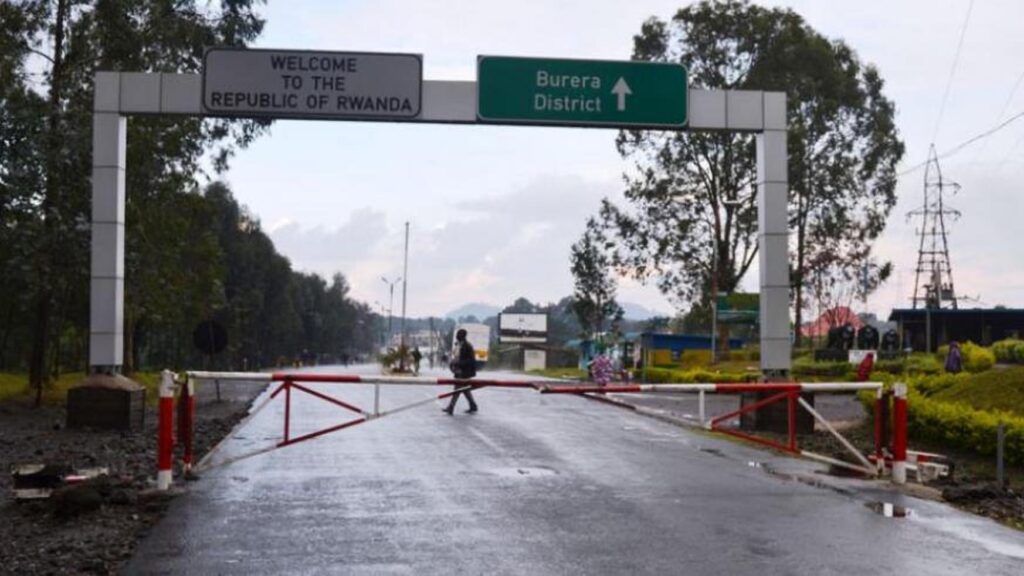
Location: This border crossing is located in Kisoro District on the Uganda side and Burera District on the Rwanda side. Kisoro is where Bwindi Impenetrable Forest is found.
Drive time from Kigali: Approximately 3 hours (119km via Musanze/Ruhengeri)
Operating hours: 6:00am Rwanda time (7:00am Uganda time) to approximately 10:00pm. Not open 24 hours — plan your crossing to arrive no later than 9:00pm Rwanda time.
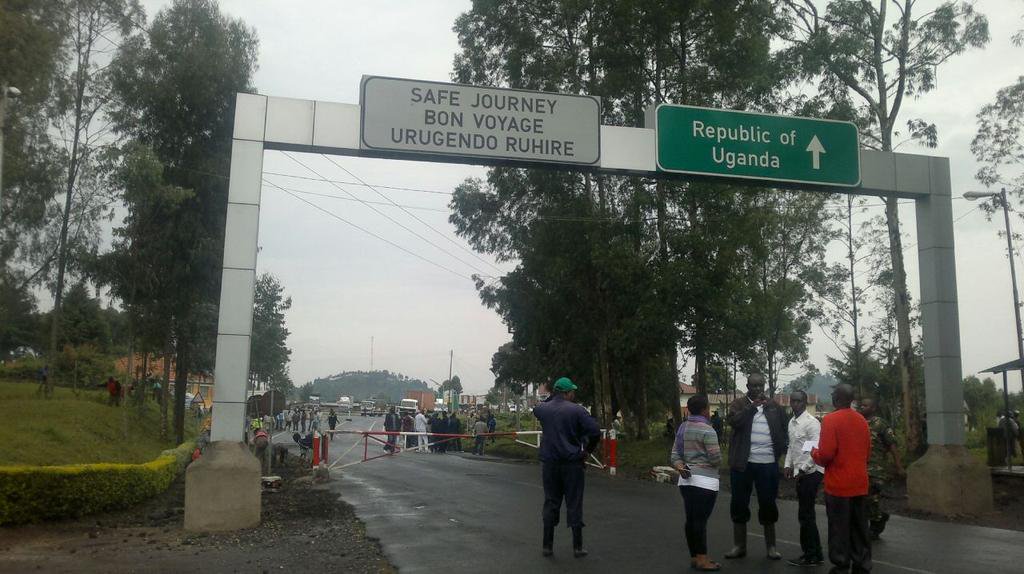
Character: Though it is less busy than the Gatuna border post, the Cyanika border crossing takes in more tourists and individual travellers than Gatuna border post. This is because it connects two major tourism hubs linking Rwanda and Uganda.
Best for: Travellers heading directly to Bwindi’s Nkuringo, Rushaga, or Rushaga sectors; Mgahinga Gorilla National Park (for golden monkey trekking or volcanic hiking); or those combining a Volcanoes National Park trek with a quick Bwindi visit.
The scenic advantage: The road from Kigali to Cyanika passes through Musanze (formerly Ruhengeri) — Rwanda’s northern gateway town and the base for Volcanoes National Park. Travellers combining a Volcanoes gorilla trek with a Bwindi crossing naturally drive this route, and the Virunga volcanic skyline visible from this road is one of the most dramatic in East Africa.
Drive times from Cyanika border to Bwindi sectors:
- Cyanika to Nkuringo sector: Approximately 43km / 1.5 hours
- Cyanika to Rushaga sector: Approximately 1.5 hours
- Cyanika to Ruhija sector: Approximately 2.5 hours
- Cyanika to Buhoma sector: Approximately 4.5 hours (the most distant sector from this crossing)
The critical rule: Cyanika’s limited operating hours mean that if you are combining a Volcanoes trek (which starts very early in the morning and often finishes by midday) with a same-day border crossing, you must depart Musanze promptly after your trek to reach Cyanika in time. Factor in that you may be tired, muddy, and elated after a gorilla trek. Give yourself a comfortable window.
Which Border to Use: A Simple Decision Matrix
| Your Uganda destination | Recommended border |
|---|---|
| Bwindi – Ruhija or Buhoma sectors | Katuna/Gatuna |
| Bwindi – Nkuringo or Rushaga sectors | Cyanika (quicker) or Katuna (if combining with Lake Bunyonyi) |
| Mgahinga Gorilla National Park | Cyanika |
| Queen Elizabeth National Park | Katuna |
| Lake Bunyonyi, Kabale | Katuna |
| Fort Portal, Kibale Forest | Katuna |
| Kampala, Murchison Falls, northern Uganda | Katuna |
| Combining Volcanoes NP trek + same-day border | Cyanika (depart Musanze by 1pm) |
The Complete Documentation Checklist
This is the section that determines whether your border crossing is smooth or stressful. Carry every item on this list in a single organised folder — physical copies, not just phone photos.
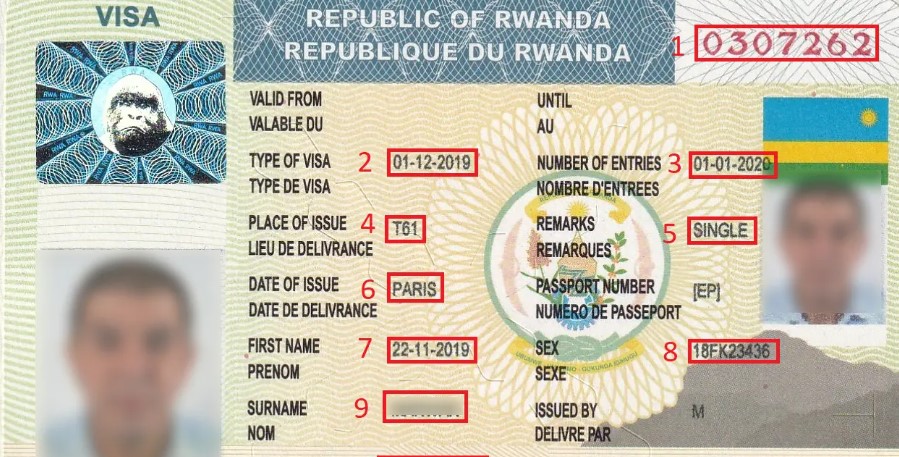
Personal Documents
1. Valid Passport Your passport must be valid for at least six months beyond your intended travel dates. Each border crossing generates stamps, and a passport with only one or two blank pages will cause delays that no amount of documentation can fix. Check your blank pages before you leave Kigali.
2. Visa — Uganda Entry Most international travellers will need a Uganda visa. The most efficient option is the East African Tourist Visa (EATV), which provides 90-day multiple-entry access to Rwanda, Uganda, and Kenya under a single application costing USD 100. The most convenient option for most foreign tourists is the East African Tourist Visa (EATV), which allows for multiple entries into Rwanda, Uganda, and Kenya on a single visa for 90 days. It costs $100 and should be applied for in the first country you enter.
Apply for the EATV online through the Rwanda Immigration portal or Uganda’s e-visa system before departure. If you have not obtained a visa in advance, Uganda visas are available on arrival at Katuna and Cyanika for eligible nationalities in cash USD. Always have USD in small denominations for on-arrival visa payment — card machines are not always reliable at land borders.
East African Community nationals (Ugandan, Rwandan, Kenyan, Tanzanian, Burundian passport holders) do not require a visa for either country and may use their national identity card in place of a passport.
3. Yellow Fever Vaccination Certificate Yellow fever vaccination certificate is mandatory for travellers entering Uganda from Rwanda. This is non-negotiable. Border officials on the Ugandan side will check for the yellow card, and without it, entry can be denied. The certificate must show the vaccine was administered at least 10 days before travel if it is a first-time vaccination. Carry the original card — a photo on your phone is not accepted.
4. International Driving Permit (IDP) An IDP is strongly recommended for all non-East African licence holders driving across the border. Most East African countries require an International Driving Permit alongside your home country licence, particularly if yours is not in English. Even when it is, some rental agencies and border crossings still demand the IDP as a formality. Obtain an IDP from your national motoring association before departure from home. They are inexpensive and issued on the spot in most countries.
East African licence holders (Rwandan, Ugandan, Kenyan driving licences) are recognised in neighbouring EAC member states and do not require an IDP.
Vehicle Documents (Provided by Rwanda Car Rental Services)
5. Letter of Authority This is the single most important vehicle document for cross-border travel. The Letter of Authority is a key document from the rental company granting you explicit permission to take the vehicle out of Rwanda and into Uganda. It must be signed by the car owner and include the dates of your authorized travel.
Rwanda Car Rental Services prepares this letter as a standard part of any cross-border hire booking. It must specify: the vehicle registration number, the driver’s name and licence number, the permitted destination countries, and the exact date range of authorised travel.
6. Vehicle Registration Documents (Logbook) You will need certified copies of the vehicle’s registration and licence papers. The rental company will provide these. Customs officials at both borders will inspect the logbook to confirm the vehicle’s ownership, registration status, and that it is legally permitted to leave Rwanda.
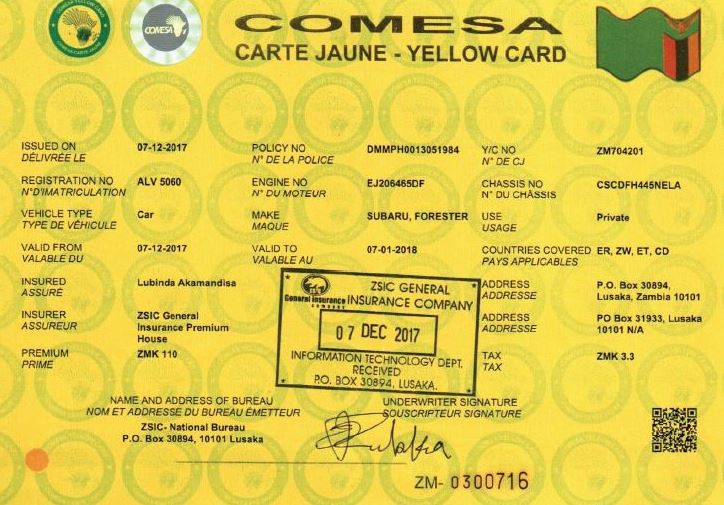
7. COMESA Yellow Card (Cross-Border Insurance) The COMESA Yellow Card is the most critical insurance document for cross-border East African travel. The COMESA Yellow Card is needed by tourists driving across East or Southern Africa because it serves as a single regional motor insurance policy recognised in all COMESA member countries. It allows travellers to legally drive across borders without buying separate third-party insurance in each country, and provides third-party liability coverage in case of accidents, ensuring smooth border crossings, and meeting each country’s legal insurance requirements.
The COMESA Yellow Card typically costs around $40–50 for 14 days and is arranged by Rwanda Car Rental Services as part of the cross-border booking process. Confirm with us that this is included before your departure.
8. Temporary Export Permit (TEP) Rwanda’s customs authority requires a Temporary Export Permit for any vehicle leaving the country temporarily. Rwanda Car Rental Services arranges this permit, which is presented at the Rwandan customs window when you exit. It specifies the vehicle, the destination country, and the authorised period of export.
Critical rule: The cross-border letter and COMESA insurance must be arranged in advance by your rental company. Not all documents can be obtained at the border. Allow Rwanda Car Rental Services at least 5–7 business days before your departure date to prepare all documentation correctly. Last-minute bookings for cross-border travel are possible but involve additional urgency fees and logistical pressure that is avoidable with good planning.
Step-by-Step: The Border Crossing Process
Knowing exactly what happens at the border removes anxiety and speeds up the process considerably. Here is what to expect, step by step, at either Katuna or Cyanika.
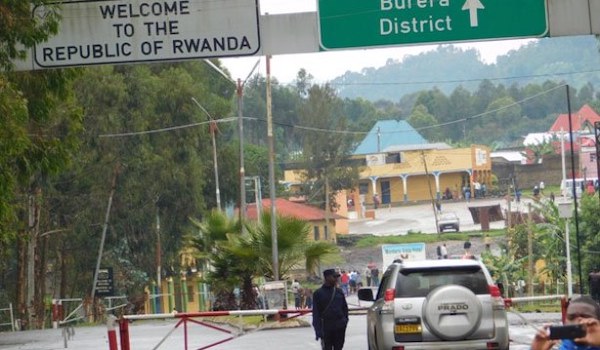
Step 1: Approach and Parking
At both borders, there is a designated parking area before the immigration and customs buildings. Pull in, park your vehicle, and gather your complete document folder before approaching any official window. Keep the vehicle’s documents accessible but secured.
Step 2: Rwandan Immigration — Exit Stamp
Approach the Rwandan immigration window with your passport (and visa if applicable). Your passport will be stamped for exit. This is a routine process that takes 5–15 minutes if your documents are in order. At the Katuna/Gatuna border, under the OSBP system, this may be done in the same building as Ugandan immigration.
Step 3: Rwandan Customs — Vehicle Exit
Present the vehicle’s logbook, the Temporary Export Permit, and the Letter of Authority to the Rwandan customs official. The vehicle will be registered as temporarily exported. You will receive stamped paperwork that must be kept with the vehicle for the return journey. Do not lose this paperwork — it is required when you re-enter Rwanda.
Step 4: Ugandan Immigration — Entry Stamp
Proceed to the Ugandan immigration window. Present your passport, visa (or EATV), and yellow fever certificate. If you are paying for a visa on arrival, have USD cash ready — exact amounts are preferable. Your passport will be stamped for entry into Uganda. The officer may ask about your intended duration of stay, accommodation details, and purpose of visit. Answer clearly and confidently.
Step 5: Ugandan Customs — Vehicle Import Permit
Present the vehicle’s logbook, Letter of Authority, and COMESA Yellow Card to the Ugandan customs official. A Temporary Import Permit (TIP) will be issued for the vehicle — this authorises the Rwandan-registered vehicle to be driven in Uganda for a specified period (typically up to 30 days). The Temporary Import Permit is a customs document allowing a foreign-registered vehicle to enter another country temporarily. It must be presented when leaving. Keep this permit with the vehicle at all times while in Uganda.
Step 6: Vehicle Inspection (Occasional)
Both borders occasionally conduct a physical inspection of the vehicle and its contents. This is routine. Do not carry prohibited items — which include plastic bags (banned in Rwanda), fresh unprocessed agricultural produce, firearms, and anything else flagged by either country’s customs regulations. Rwanda has strict laws regarding plastic bags, certain wildlife products, and some agricultural items. If you are carrying camping equipment, photography gear, or luggage, be prepared to open bags if asked. Cooperate fully and politely.
Step 7: Departure
You are now cleared to drive into Uganda. The total border process, when all documentation is correct and pre-arranged, typically takes 30 minutes to 1 hour. Without correct documentation, or if anything needs to be resolved at the border, processing time increases significantly and unpredictably.
Understanding the Costs: What Cross-Border Hire Actually Costs
Cross-border vehicle hire involves costs beyond the standard daily rental rate. Rwanda Car Rental Services operates with full transparency on these — here is a breakdown.
| Item | Approximate Cost | Notes |
|---|---|---|
| Standard vehicle hire (per day) | USD 70–130 | Depends on vehicle class |
| COMESA Yellow Card insurance | USD 40–50 | For 14 days; pro-rated for shorter periods |
| Temporary Export Permit | Variable | Arranged by Rwanda Car Rental Services |
| Letter of Authority | Included | Part of cross-border service |
| Uganda visa on arrival | USD 50 | Per person; EATV is USD 100 for 3 countries |
| Uganda park entry (per day) | USD 40 | Per person, per national park |
| Uganda gorilla permit | USD 700 | Per person, per trek |
| Fuel — Rwanda to Bwindi via Katuna | Approx. USD 30–45 | Depending on vehicle and fuel price |
| One-way drop-off fee (if applicable) | Significant additional cost | Only if returning vehicle in different country |
One-way hire note: If you plan to collect a vehicle in Kigali and drop it off in Kampala or Entebbe (or vice versa), a one-way fee applies to cover the cost of returning the vehicle to its origin. This can be substantial. Circular itineraries — beginning and ending in Kigali — are the most cost-efficient structure for most Rwanda–Uganda road trips.
The Roads: What to Expect on Each Side of the Border
Rwanda Side: Kigali to the Border
Rwanda’s road infrastructure is among the finest in East Africa. The country’s compact size and well-maintained tarmac roads make it ideal for self-drives, with clear signage and good connectivity between cities and national parks.
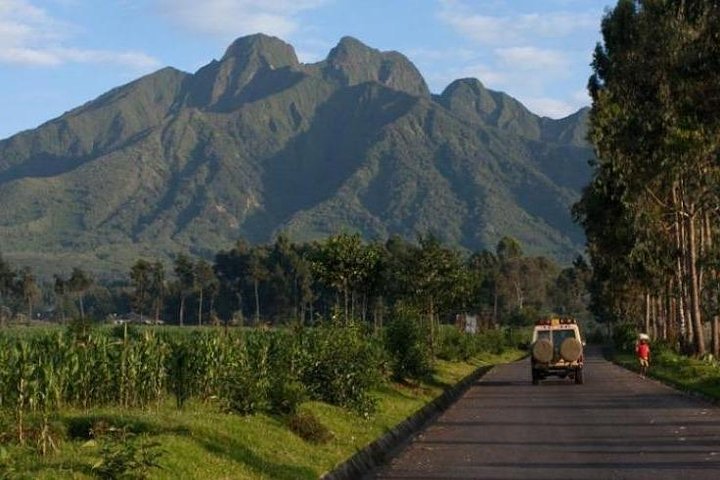
Kigali to Katuna border (80km): Well-maintained tarmac throughout, with sections of dual carriageway near Kigali. Speed limits are strictly enforced — 60km/h on highways, 40km/h in urban areas — and traffic cameras are common. The road heads southwest through Kigali’s suburbs, then into the increasingly hilly countryside of the southwest, with views of rolling tea-covered hills as you approach the border highlands.
Kigali to Cyanika border (119km via Musanze): The road heads north from Kigali toward Musanze (Ruhengeri), Rwanda’s northern gateway. This is one of the country’s most scenic drives — the Virunga volcanoes appear progressively on the horizon as you drive north, culminating in the extraordinary view of the Virunga chain as you approach Musanze. From Musanze, the road turns west and climbs into the highlands toward Cyanika. The final section before the border involves winding highland roads with steep gradients and spectacular views.
Fuel in Rwanda: Fill up completely in Kigali before departure. While fuel is available in Musanze (for the Cyanika route), do not rely on finding fuel between Musanze and the border. Rwanda’s fuel prices are relatively stable and the quality at named stations (Shell, Total Energies, Rubis) is reliable.
Rwanda driving rules to remember:
- Drive on the right
- No plastic bags in the vehicle (confiscated at borders since 2008)
- Speed cameras are pervasive and fines are issued electronically
- Mobile phone use while driving is illegal and actively enforced
- Seatbelts mandatory for all occupants
Uganda Side: The Border to Your Destination
Uganda’s road character changes immediately upon crossing. Uganda’s road system, while larger and more varied, is well-developed along main routes connecting major towns and parks. Roads between Kampala, Entebbe, Jinja, Mbarara, Fort Portal, and Kasese are generally smooth and tarmacked. However, secondary and park roads — especially those leading to destinations like Bwindi Impenetrable Forest, Queen Elizabeth National Park, or Murchison Falls — are often unpaved and can become rough or slippery during the rainy season.
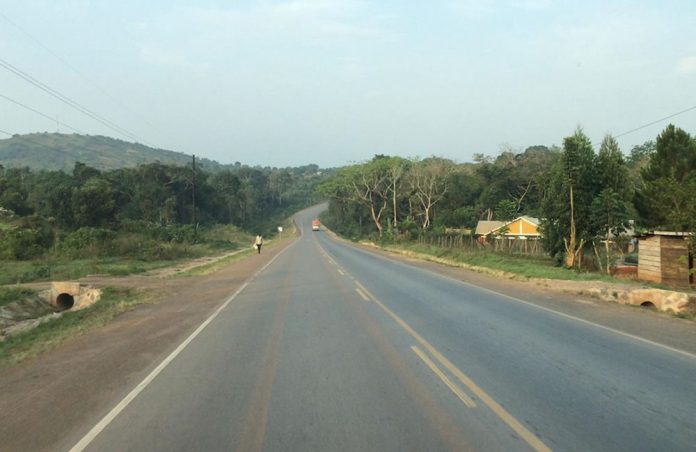
From Katuna border: The road heads north through Kabale — a pleasant highland town at approximately 2,000 metres elevation that is worth a fuel stop and a brief look. From Kabale, the road to Bwindi’s various sectors involves increasingly murram (gravel) and dirt surfaces, particularly on the final approach to any of Bwindi’s four trekking sectors. A 4WD is essential; in wet season (March–May, October–November), the approach roads to Nkuringo and Buhoma in particular require genuine 4WD capability and confident driving.
From Cyanika border: The road drops into Kisoro district, a small highland town surrounded by three volcanoes (Muhavura, Gahinga, and Sabinyo) that form one of Uganda’s most dramatic landscapes. From Kisoro, the southern sectors of Bwindi are accessible within 1–1.5 hours on murram roads. Mgahinga Gorilla National Park, where golden monkey trekking and volcanic hiking are available, is even closer.
Uganda driving rules:
- Drive on the left (opposite to Rwanda — this is the most important adjustment for drivers crossing from Rwanda)
- Speed limits: 50km/h in urban areas, 80km/h on highways, 40km/h inside national parks
- Police checkpoints are common and routine — remain polite, have documents accessible
- Speed bumps (locally called “sleeping policemen”) are frequent in trading centres and are sometimes unmarked; slow down through every town
- Night driving outside urban areas is strongly discouraged — unlit roads, livestock, and unmarked hazards make night travel dangerous
Fuel in Uganda: Fill up at Kabale (if crossing at Katuna) or Kisoro (if crossing at Cyanika) before heading toward Bwindi. There are no reliable fuel stations beyond these towns on the approach roads to any Bwindi sector. Carry a 10–20 litre jerry can for park interior driving.
Vehicle Requirements for Cross-Border Self-Drive
Not every vehicle is appropriate for a Rwanda–Uganda cross-border road trip. The specific challenge is that while Rwanda’s roads to the border are excellent tarmac, Uganda’s roads beyond the border range from good to demanding, particularly toward Bwindi and other park areas.
Rwanda Car Rental Services cross-border fleet recommendations:
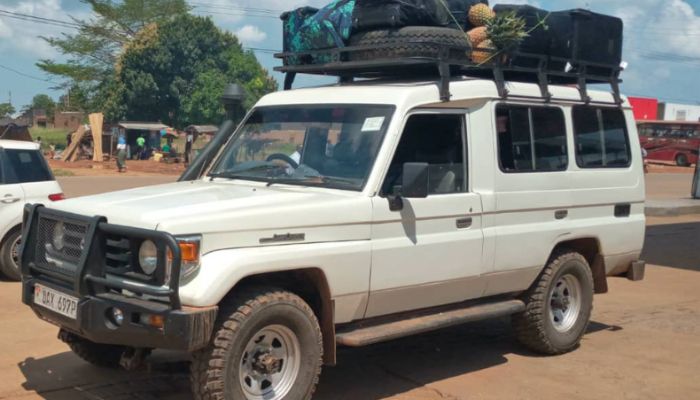
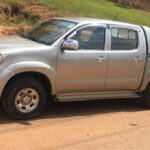
Toyota Land Cruiser Prado (150 Series): The standard recommendation for most Rwanda–Uganda itineraries. Comfortable over long tarmac distances, capable on murram and light dirt sections, adequate ground clearance for Bwindi approach roads in dry season. Seats 5 comfortably with luggage.
Toyota Land Cruiser 78/79 Series: The vehicle of choice for Bwindi in wet season, for travellers extending their itinerary to Queen Elizabeth’s remote sections, or for anyone driving Uganda’s north bank of Murchison. This is a purpose-built off-road platform with genuine capability on difficult tracks.
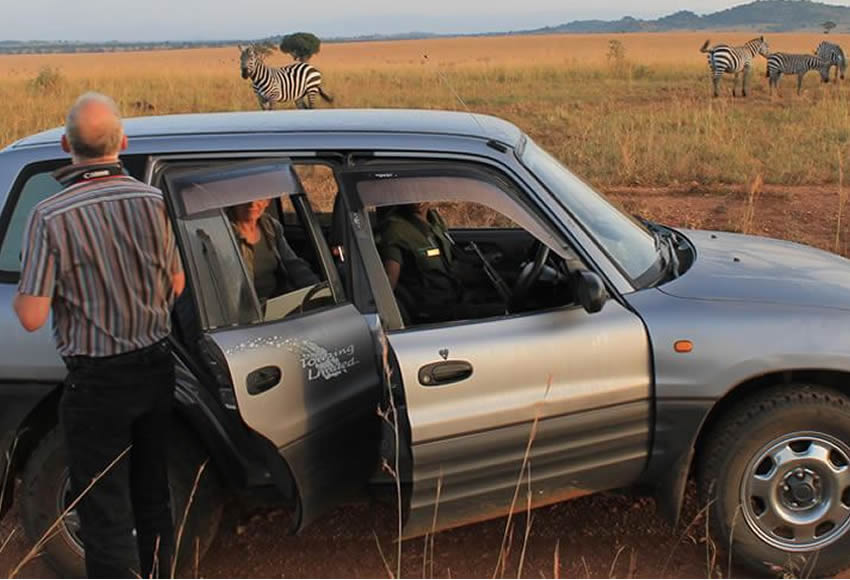
Toyota Rav4: Acceptable for the Rwanda side and for crossing at Katuna with Kabale as a base. The Rav4’s lower ground clearance makes it less suitable for Bwindi’s approach roads, particularly in wet conditions. Discuss suitability with the Rwanda Car Rental Services team before booking.
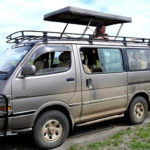
Rooftop tent vehicles: Selected Land Cruiser models are available with rooftop tents fitted, allowing camping at Uganda Wildlife Authority sites inside parks. For travellers planning to camp at Murchison Falls, Queen Elizabeth, or other UWA campsites, this option meaningfully reduces accommodation costs while maximising immersion.
Critical booking condition: The 4×4 is non-negotiable. The roads in rural Rwanda and Uganda can be challenging, especially during the rainy season. A reliable 4×4, such as a Toyota Land Cruiser Prado or a RAV4, is essential for its ground clearance and durability. The rental company will likely only approve cross-border travel with one of these vehicles.
Suggested Itineraries Using the Rwanda–Uganda Border
3-Day Gorilla Double Trek (Volcanoes + Bwindi)
Day 1: Collect vehicle in Kigali. Drive to Musanze (2 hours). Check in at accommodation near Volcanoes National Park. Afternoon at leisure or optional golden monkey trek.
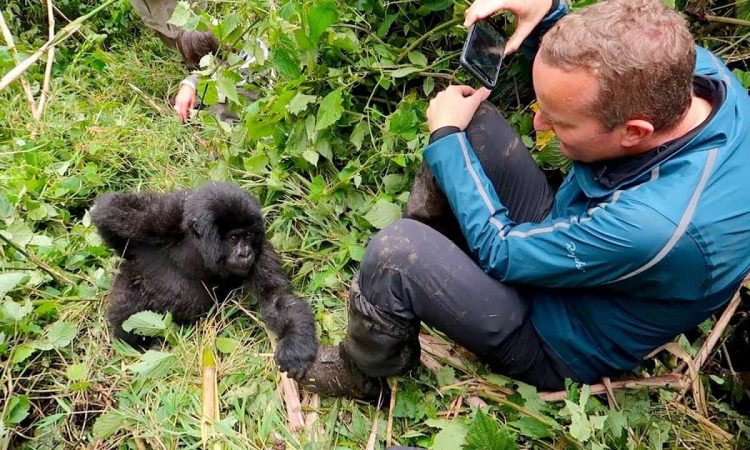
Day 2: Early morning gorilla trekking in Volcanoes National Park (Rwanda gorilla permit: USD 1,500). Post-trek, depart Musanze by 1pm. Cross at Cyanika border. Drive to Nkuringo or Rushaga sector of Bwindi (1.5–2 hours from border). Overnight at lodge inside or near Bwindi.
Day 3: Morning gorilla trek in Bwindi Impenetrable Forest (Uganda gorilla permit: USD 700). Afternoon return to Kigali via Cyanika border.
Why this works: Two gorilla encounters, two countries, two entirely different forest ecosystems — all in 72 hours, without a single flight. The permit cost differential (Rwanda USD 1,500 vs Uganda USD 700) means doing both in one trip is both more affordable per permit than doing Rwanda twice and richer in experience.
7-Day Western Uganda Extension
Day 1: Kigali → Katuna border → Kabale → Lake Bunyonyi overnight
Day 2: Lake Bunyonyi → Bwindi (Buhoma sector) overnight
Day 3: Gorilla trek in Bwindi. Afternoon walk or rest.
Day 4: Bwindi → Ishasha sector of Queen Elizabeth NP (tree-climbing lions game drive)
Day 5: Queen Elizabeth NP (Kazinga Channel boat cruise, morning game drive)
Day 6: Queen Elizabeth → Kibale Forest (chimpanzee trek)
Day 7: Fort Portal → Katuna border → Kigali
Why this works: This itinerary delivers three of Uganda’s greatest wildlife experiences (gorillas, tree-climbing lions, chimpanzees) alongside the extraordinary scenery of western Uganda, without requiring a flight into Entebbe. It is one of East Africa’s finest wildlife road trips, and it is made possible entirely by the Rwanda–Uganda land crossing.
10-Day East Africa Primate Circuit
Day 1–2: Kigali and surrounds (Genocide Memorial, Nyamirambo, city orientation)
Day 3: Drive to Musanze. Golden monkey trek in Volcanoes NP (afternoon)
Day 4: Gorilla trek in Volcanoes NP. Cross Cyanika border to Kisoro/Bwindi
Day 5–6: Bwindi (gorilla trek + forest walk)
Day 7: Drive to Kibale Forest via Queen Elizabeth Ishasha sector
Day 8: Chimpanzee trek, Kibale Forest
Day 9: Fort Portal crater lakes, drive to Kampala area
Day 10: Kampala exploration, return via Katuna border to Kigali
Why this works: This is a comprehensive primate safari that covers every habituated great ape encounter available in Rwanda and Uganda — mountain gorillas twice (in two different forests), golden monkeys, and chimpanzees — plus the full sweep of western Uganda’s landscapes. It requires two gorilla permits (one Rwanda, one Uganda) and one chimpanzee permit, plus golden monkey permit if desired.
Common Mistakes — And How to Avoid Them
Arriving without pre-arranged vehicle documents. This is the most common and most avoidable problem. Rwanda Car Rental Services needs a minimum of 5–7 business days to prepare the Letter of Authority, Temporary Export Permit, and COMESA insurance. Booking a cross-border rental the day before departure is not feasible. Plan well in advance.
Forgetting the yellow fever certificate. Ugandan border officials check this on the Rwanda side crossing. Without it, entry can be refused. There is no substitute document and no “I’ll sort it later” option at a land border.
Arriving at Cyanika after closing time. Cyanika closes at approximately 10pm Rwanda time. Border crossing at night is not possible here. If your Volcanoes trek runs long, or if you encounter delays on the road, you may need to overnight in Musanze and cross in the morning. Factor this into your planning.
Carrying plastic bags. Rwanda has banned plastic bags since 2008. The message is clear: any plastic bags in your luggage will be confiscated at the airport or other point of entry. Check your bags before departure and replace all plastic bags with fabric alternatives. This applies at all entry and exit points.
Assuming insurance automatically extends. Standard Rwanda rental insurance does not cover Uganda. The COMESA Yellow Card specifically, and a confirmed cross-border insurance extension, are required. If you cross a border without permission or without the correct documentation, you may void your insurance coverage and become fully liable for any damage or incidents. Verbal confirmation from a rental agent is not sufficient — get it in writing.
Underestimating Uganda road conditions post-border. Rwanda’s roads are exceptional. Uganda’s approach roads to Bwindi, particularly in wet season, are demanding. Some visitors who manage the Rwanda side confidently are caught off guard by the murram tracks to Bwindi’s park gates. Ensure your vehicle is properly specified for the conditions, and drive conservatively on unfamiliar surfaces.
How Rwanda Car Rental Services Handles the Process
Rwanda Car Rental Services manages every element of cross-border documentation as a standard part of our cross-border hire service. Here is what we handle on your behalf:
Pre-departure preparation (5–7 business days before):
- Letter of Authority preparation, signed by company management, vehicle-specific, date-specific
- Temporary Export Permit arrangement with Rwandan authorities
- COMESA Yellow Card insurance — extended to cover Uganda for your travel period
- Vehicle logbook copies — certified and stamped
- Route briefing — recommended border, fuel stops, road conditions, accommodation suggestions
At vehicle collection:
- Complete document folder handed over — all physical originals
- Vehicle inspection with driver — confirm tyre condition, spare tyre, jack, fuel level
- Emergency contacts confirmed — Rwanda Car Rental Services 24-hour support line
During your trip:
- 24-hour WhatsApp support for any en-route questions
- Emergency breakdown assistance coordination
- Extension of permits if your stay in Uganda is extended (requires advance notice)
On your return:
- Vehicle return inspection
- Confirmation of Temporary Export Permit clearance on Rwandan customs system
Contact Rwanda Car Rental Services at least one week before your intended departure date to initiate cross-border documentation. The earlier you confirm, the smoother the preparation.
Practical Essentials: Cross-Border Packing List
Documents (physical originals, in one waterproof folder):
- Passport (minimum 6 months validity, multiple blank pages)
- Uganda visa / EATV approval printout
- Yellow fever vaccination certificate (original card)
- International Driving Permit
- Home country driving licence
- Letter of Authority (from Rwanda Car Rental Services)
- Vehicle logbook copy
- COMESA Yellow Card
- Temporary Export Permit
- Rwanda Car Rental Services 24-hour emergency contact
Cash:
- USD 100–200 in small denominations (for visa fees, park entries, fuel)
- Ugandan shillings (UGX) — approximately UGX 200,000–400,000 for first-day expenses
- Rwandan francs (RWF) for the return journey
Vehicle:
- Full fuel tank on departure from Kigali
- Jerry can (10–20 litres minimum for Uganda park driving)
- Spare tyre (confirmed inflated before departure)
- Jack and wheel brace
- Basic tool kit
- Jumper cables
- First aid kit
- Offline maps downloaded (Google Maps and Maps.me, both countries)
- Local SIM card with data (MTN works in both Rwanda and Uganda)
Conclusion: Two Countries, One Journey, No Compromise
The Rwanda–Uganda land crossing is not merely a logistical necessity. It is one of East Africa’s great travel transitions — from Rwanda’s organised highland precision to Uganda’s wilder, greener, rawer beauty; from the perfectly surfaced roads of the Land of a Thousand Hills to the murram tracks that wind toward gorilla country; from Kigali’s gleaming boulevards to the volcanic highlands of Kisoro where mountain gorillas live and the night belongs entirely to the forest.
With the borders fully open as of 2025, the diplomatic obstacles are gone. What remains is the adventure — and the paperwork.
Get the paperwork right, and you cross in under an hour. Arrive with the wrong documents, and you do not cross at all.
Rwanda Car Rental Services exists to make sure every client arrives at that border with everything they need — the right vehicle, the right papers, the right knowledge of the roads ahead. We have handled this crossing for clients crossing at Katuna and Cyanika, in dry season and wet, on tight timetables and leisurely loops.
Start planning your Rwanda–Uganda road trip today. Give us the dates, the destinations, and the number of travellers. We will handle everything else. You can contact us now by emailing to info@rwandacarrentalservices.com or calling +256-700135510
Rwanda Car Rental Services offers fully authorised cross-border car hire from Kigali to Uganda, including Land Cruiser Prado, Land Cruiser 70/78 Series, Toyota Rav4, and rooftop tent vehicles. We handle all documentation — Letter of Authority, COMESA insurance, Temporary Export Permit, and logbook copies. Contact us to begin planning your itinerary.
About The Author

More Stories
Cheap Car Rental in Rwanda: 10 Ways to Save on Your Rental
Cheap Car Rental in Kigali: Find Affordable Cars Nearby
Rwanda Car Rental Booking: When to Reserve Your Car