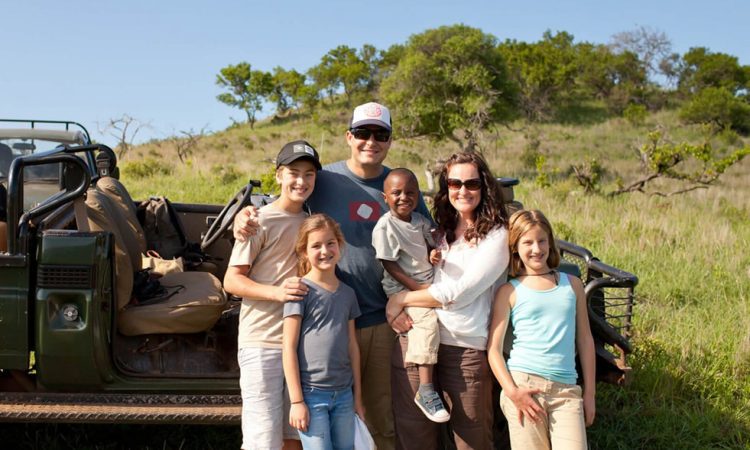
Most Rwanda travel content is written for two kinds of visitors: honeymooners and gorilla trekkers. Families traveling with young children fall into neither camp, and it shows — there’s very little practical guidance on what a Rwanda road trip with kids actually looks like, from whether you can get a proper car seat to how far apart the rest stops really are.
The good news is that Rwanda is one of the easier countries in the region to do this in. Distances between major sites are short, roads to the main destinations are paved, and the country’s emphasis on safety and order (no honking free-for-alls, disciplined traffic) makes for a far calmer ride than most travelers expect. This is a practical, kid-specific guide to planning that trip.
Car Seats: What to Actually Expect
This is the question most family travel guides skip entirely, and it’s the one that matters most.
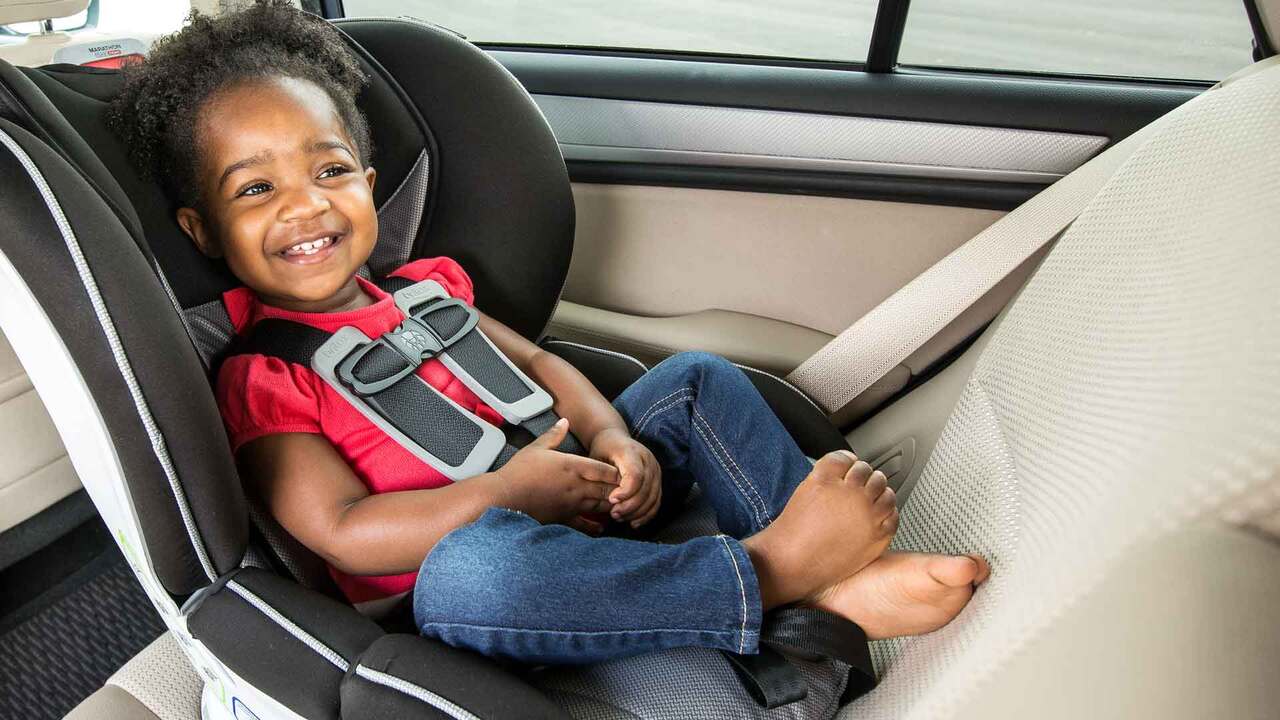
- Bring your own car seat if you can. Not every rental fleet in Rwanda carries a range of sizes, and airlines generally allow car seats as free checked baggage. If your child is under 4, this is the single best thing you can do to make the trip work.
- Request infant and booster seats in advance, not on arrival. Rental companies that do stock car seats usually have a limited number, and they go to whoever booked first. Confirm the exact seat type (infant, convertible, or booster) when you book, not when you arrive.
- Isofix availability varies by vehicle. Newer SUVs and crossovers (RAV4-class vehicles) are more likely to have Isofix anchors than older sedans or vans. If your seat is Isofix-only, say so explicitly when booking so you’re not matched with an incompatible vehicle.
- For older kids (roughly 4–10), a booster seat is non-negotiable on Rwanda’s roads. Many rural roads wind through hills with real elevation change, and a properly seated child rides noticeably better on the curves than one just wearing a seat belt.
Realistic Rest Stop Spacing
Rwanda is small — it’s genuinely possible to cross most of the country in under four hours — but “small” doesn’t mean “no stops needed.” Hilly terrain and winding roads mean actual drive times run longer than the map distance suggests, and children need breaks more often than the driving time alone implies.
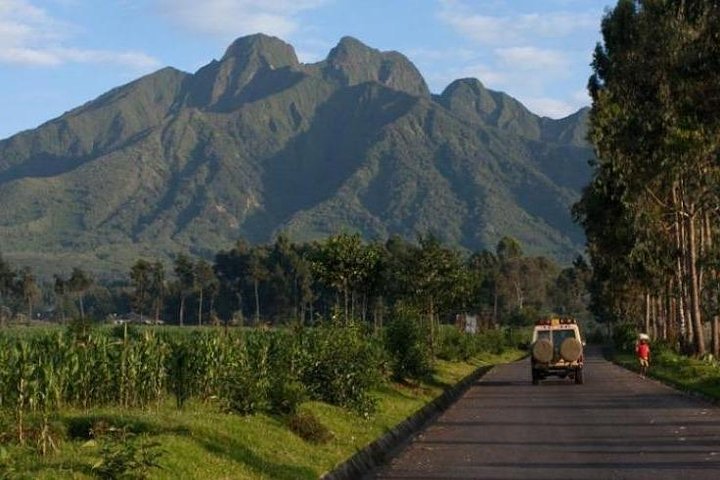
A few reliable stopping points to build into any route:
- Kigali to Musanze (Volcanoes region): About 2–2.5 hours. Roadside coffee shops around Base and Ruhengeri offer clean bathrooms and decent snacks — a natural halfway break.
- Kigali to Rubavu (Lake Kivu): About 3 hours via Musanze. Break the drive into two legs rather than one long stretch — stop in Musanze, let kids stretch and eat, then continue.
- Kigali to Huye (Butare) / Nyungwe direction: About 2.5–3 hours to Huye, longer to Nyungwe itself. The National Museum in Huye is a genuinely good stop for kids old enough to look at things without touching everything.
- Kigali to Akagera National Park: Under 2 hours, making it one of the easiest full-day trips with young children — short enough to do as a day trip without an overnight.
As a rule of thumb: plan a stop every 90 minutes to 2 hours regardless of how the map distance looks, and pad your total travel-day estimate by 25–30% over what a route planner tells you. Hilly roads and small-town traffic add up.
What “Family-Friendly” Actually Means Here
Rwanda doesn’t have a developed network of kid-oriented rest areas or fast-food chains the way road trips in Europe or North America do. Set expectations accordingly:
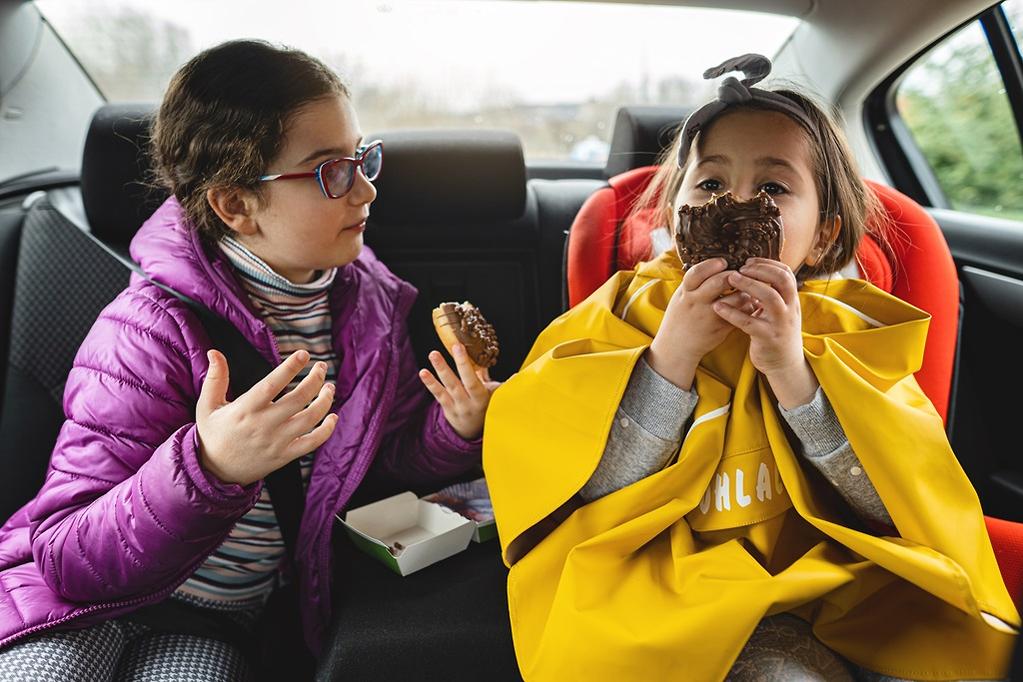
- Snacks: Bring your own. Roadside stalls sell fruit, boiled corn, and packaged snacks, but don’t count on finding familiar kid food along rural stretches.
- Bathroom stops: Larger towns (Musanze, Huye, Rubavu, Muhanga) have proper facilities at hotels and cafés that will generally let travelers use the bathroom, especially if you buy a drink. Smaller villages are hit or miss.
- Altitude and motion sickness: Kigali and much of central Rwanda sit above 1,500 meters, and the winding roads toward Musanze and the Congo Nile Trail can trigger motion sickness in kids who don’t normally get it. Pack accordingly and consider a mid-route break specifically to let queasy stomachs settle.
A Family-Friendly 5-Day Itinerary
This itinerary avoids long single-day drives, keeps each leg under 3 hours, and builds in activities young children can actually enjoy rather than sit through.
Day 1 — Arrive, Kigali Settle in, short walk around the Kigali Genocide Memorial gardens if kids are old enough (the museum itself is not recommended for young children), and an easy dinner. No driving beyond airport transfer.
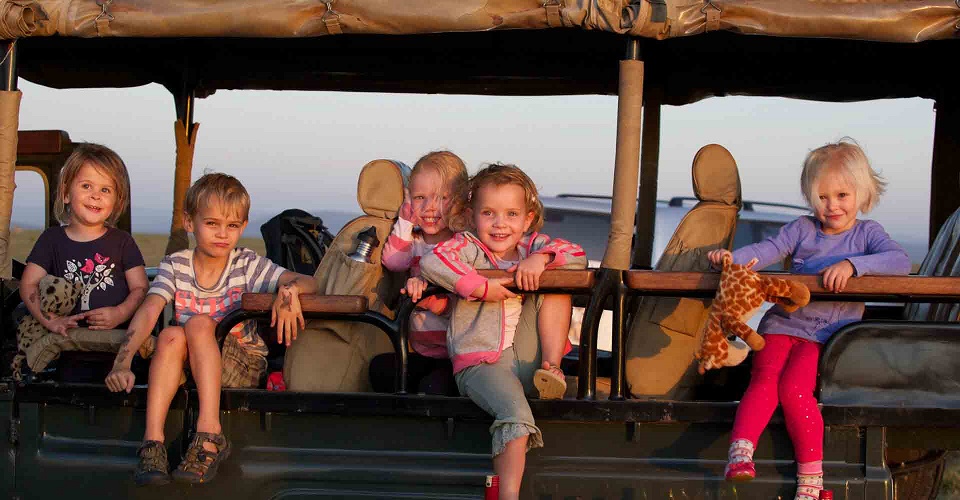
Day 2 — Kigali to Akagera National Park (day trip, return to Kigali or overnight at the park) Under 2 hours each way. A game drive here is far gentler and more child-paced than gorilla trekking — you stay in the vehicle, sightings are frequent, and there’s no hiking required. This is the single best wildlife activity in Rwanda for young kids.
Day 3 — Kigali to Musanze About 2.5 hours with a stop en route. Musanze itself, with mountain views and a slower pace, is a good place to let kids run around outdoors. Skip gorilla trekking with very young children — permits have age minimums, typically starting at 15 — but a shorter guided nature walk or the Iby’Iwacu Cultural Village (interactive, hands-on, built for visitors of all ages) works well.
Day 4 — Musanze to Rubavu (Lake Kivu) About 1.5 hours. This is the “reset” day — swimming, a calm beach, boat rides on the lake. Build in a full rest day here with no further driving.
Day 5 — Rubavu back to Kigali Direct return, roughly 3 hours with one stop, timed for an evening flight or an extra night in Kigali before departure.
This keeps total drive time manageable, avoids back-to-back long days, and swaps out the activities (like gorilla trekking) that don’t suit young children for ones that do — game drives, cultural villages, and lake time.
The Vehicle Choice That Actually Matters
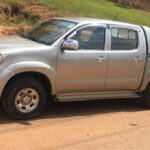
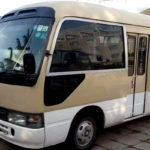
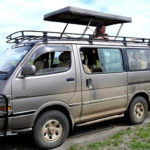
For a family trip, prioritize interior space and ride comfort over off-road capability — you’re not going deep off-piste on this route. A comfortable SUV or minivan with proper air conditioning, confirmed car seat compatibility, and enough boot space for a stroller and bags will serve a family far better than a rugged 4×4 built for safari terrain. If you’re set on including Akagera as a proper multi-day safari rather than a day trip, that’s the one leg where upgrading to a 4×4 with a driver-guide is worth it — game drive tracks inside the park are unpaved and better handled by someone who knows the routes.
Traveling with young children? Self-drive car rental with confirmed car seat availability can be arranged in advance — contact us with your children’s ages and seat requirements when booking to guarantee the right setup on arrival. Contact us now by sending an email to info@rwandacarrentalservices.com or call +256-700135510.
More Stories
Renting a Car in Rwanda With Kids: Safety & Child Seat Tips
Parking in Kigali: Where to Park, What It Costs & Smart Tips
Speed Cameras & Traffic Fines in Rwanda: Self-Drive Guide