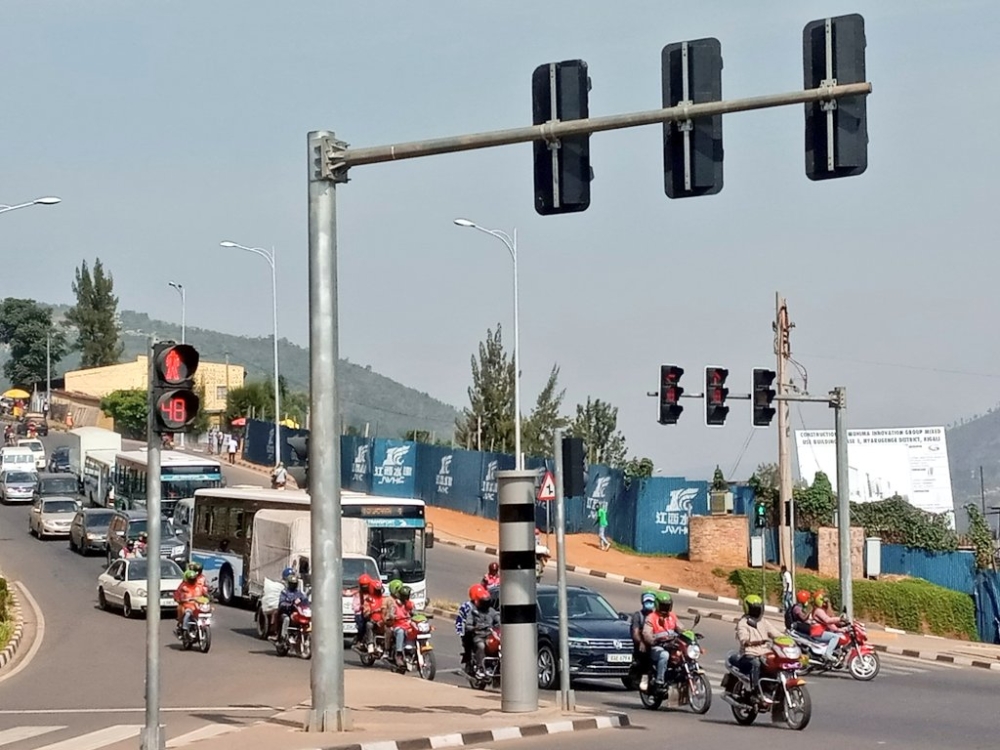
Rwanda is one of the safest and best-organized countries in East Africa for a self-drive trip. The roads are smooth, the scenery is spectacular and drivers are generally orderly. But there is one thing that surprises many visitors: speed cameras and traffic fines in Rwanda are taken very seriously. A moment of inattention on a downhill stretch can result in an automatic ticket arriving on your phone, or on your rental company’s desk, within hours.
This guide explains how speed limits work, where cameras are used, what the penalties look like, practical tips to keep your trip fine-free and how to handle a ticket in a rental car in Kigali city or any destinations within Rwanda.
Why Rwanda Enforces Traffic Rules Strictly
Road safety has been a national priority in Rwanda for years. The police introduced automated enforcement to reduce accidents and deaths. Police figures at the time reported that at least 223 people died in road accidents in 2019. Authorities have also said that more than 500 traffic cameras have been installed since February 2020, and they credit the cameras with helping reduce road crashes.
For tourists, the practical result is that enforcement is consistent, largely automated and not negotiable. The good news is that the rules are clear if you pay attention to the signs.
Speed Limits in Rwanda
Speed limits vary by road type and location, and they are often lower than visitors expect. The legal framework dates back to a 2002 presidential order, under which vehicles are allowed to drive at speeds between 25 and 80 km/h, with 80 km/h as the maximum. In practice, you will see:
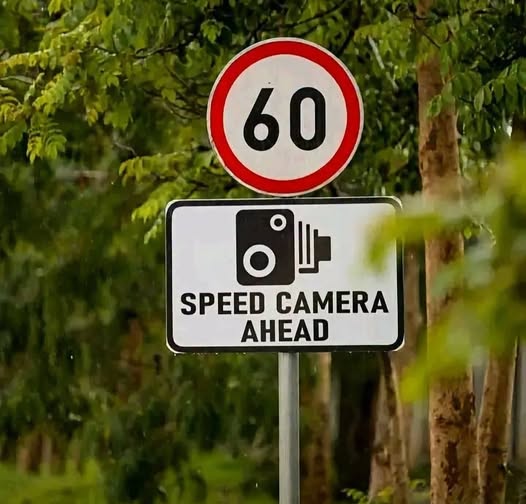
- Inside Kigali and busy towns: Often around 40 to 60 km/h, with some zones lower. Speed limit signs in Kigali were placed according to population and major infrastructure such as schools, hospitals and markets.
- Main roads between cities: Commonly up to 60 or 80 km/h, depending on the signs.
- Village and trading-center sections: Lower limits apply, even on highways.
The limit can change quickly. A road may drop from 80 to 60 or 40 km/h when it passes a school, market or junction. Watch for the signs and slow down early.
The speed limits have been publicly debated. Some drivers have complained that they are low, and the president once called for a review of low speed limits. For visitors, though, the rule remains simple: the sign you see is the limit you are expected to follow.
How Speed Cameras Work in Rwanda
Cameras are placed in strategic locations around Kigali and along highways to other parts of the country. They detect the vehicle’s speed and read its number plate. The system then sends a notice to the registered owner of the vehicle.
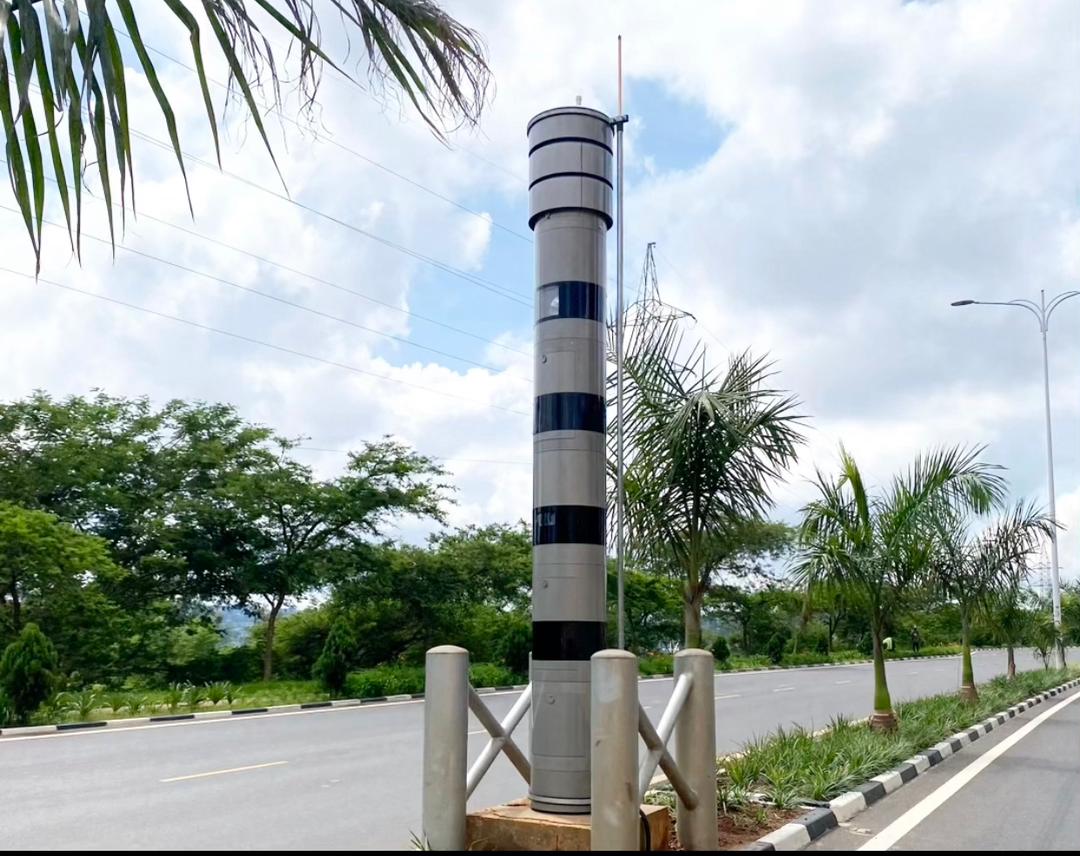
The Rwanda National Police explains that there are two types of tickets: electronic tickets issued by officers through mobile devices after speaking with the driver, and camera-detected tickets for speeding or red-light offences. For camera tickets, an SMS is sent to the vehicle owner with the date and time, the location, the speed limit and detected speed, the fine amount and the last date to pay without late fees.
Key points for drivers:
- Cameras operate day and night. Do not assume they are only in cities.
- Fines are automatic. There is no officer to talk to at the roadside.
- The ticket goes to the registered owner. In a rental car, that is the rental company.
- Red-light cameras also operate. Stop properly at signals, even late at night.
- Signs are posted. Authorities say that if drivers respect the posted limits, they will not be fined.
How Much Are Traffic Fines in Rwanda?
Fine amounts depend on the offence and have been updated over time, so always check the current schedule with the police. Public reports give a sense of scale:
- A government minister who was caught on camera at 81 km/h in 2019 shared that his automated bill was Rwf50,000.
- In 2021, reports described a speeding fine of Rwf25,000 that rose to Rwf35,000 if it was not paid within two days.
These figures show that a single speeding ticket can be costly compared with local incomes, and that late payment makes it worse. The amounts above are examples from past reports, not a current tariff, so confirm today’s rates on the Rwanda National Police website or through its official channels.
Other Common Traffic Offences to Avoid
Besides speeding, tourists should avoid:
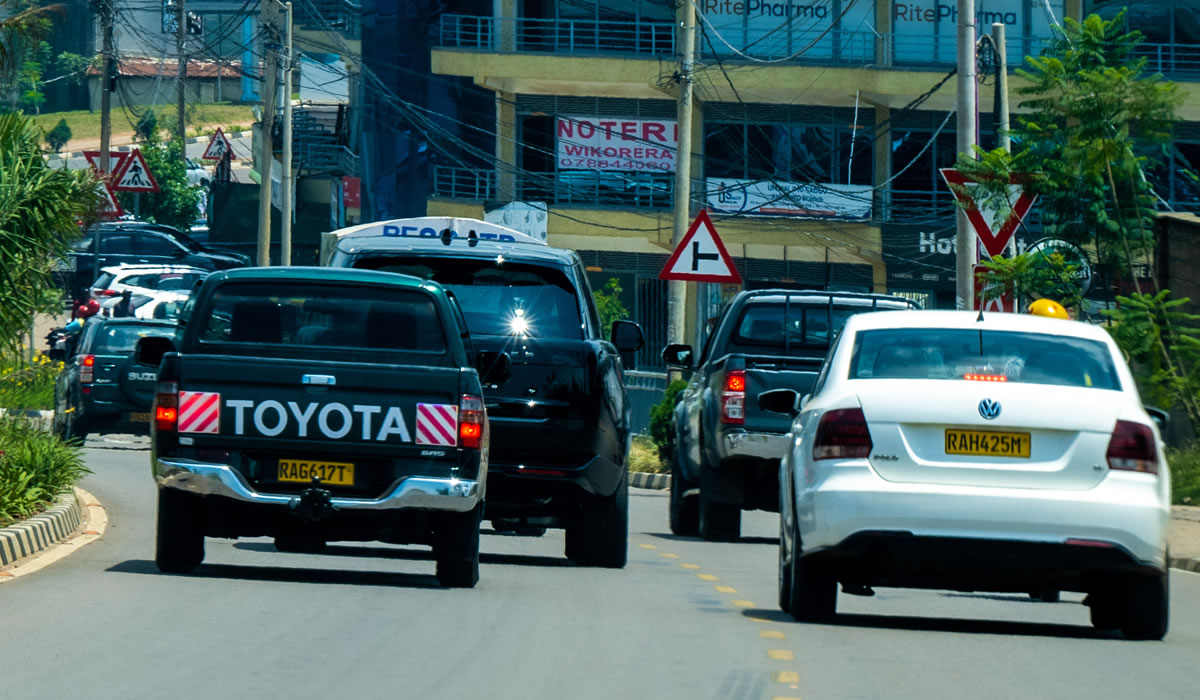
- Driving without a seatbelt. Everyone in the vehicle should be belted.
- Using a phone while driving. Use a mount and voice guidance, never hold the phone.
- Running red lights or ignoring stop signs.
- Unsafe overtaking. Avoid it on hills, bends and in towns, and never overtake over solid lines.
- Driving without valid documents. Carry your license, passport copy and rental papers.
- Drink driving. Rwanda enforces alcohol limits strictly. The safest rule is not to drink at all if you are driving.
- Parking illegally. See our guide on parking in Kigali for details.
- Driving on restricted days. On Umuganda Saturday, the last Saturday of each month, non-essential movement is limited in the morning.
Fines and Rental Cars: What Tourists Need to Know
This is where many self-drive travelers get caught out.
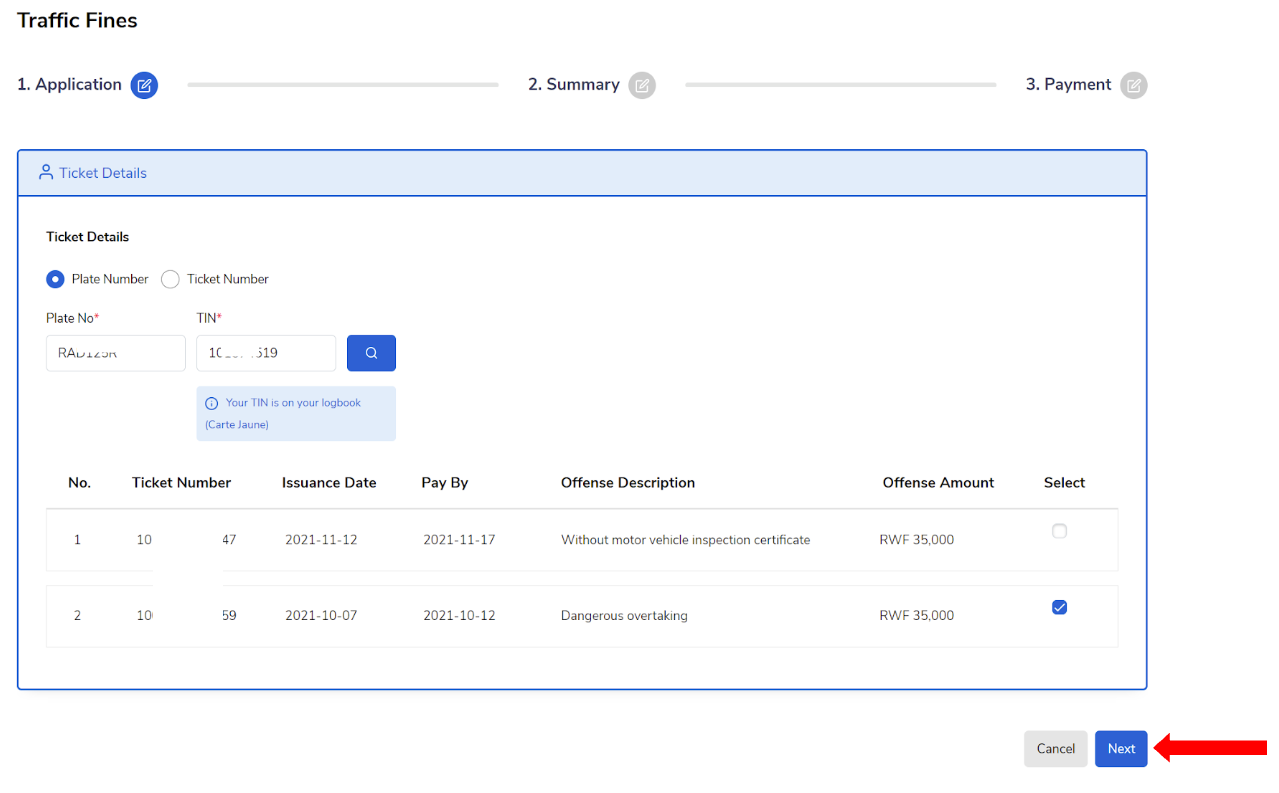
- The ticket is sent to the vehicle’s owner. For a rental, that is the company, not you.
- The Rwanda car rental company may pass on the fine, and some also add an administrative fee. Ask about this before you sign the contract.
- You may not see the SMS. The notice goes to the owner’s phone, so you could find out only after your trip.
- Foreign-registered cars can be treated differently. The police note that an officer may issue a non-electronic ticket to a foreign-registered car or when technical systems are down. If you cross the border in a foreign car, expect the paper process.
- Payment deadlines are short. The police state that fees are payable within three days of the notice, and an additional late fee applies afterward. Rental companies usually settle quickly to avoid extra charges.
Before you drive away, ask the rental company:
- How are traffic fines handled and charged?
- Is there an administration fee per fine?
- Will they notify you by email or phone?
- Is a deposit held until fines are cleared after the trip?
How to Check and Pay a Fine
The police offer an online service where owners can check for tickets and pay. You will usually need the vehicle’s plate number and details from the notice. Payment is normally made electronically, often by mobile money or through Rwanda’s national online services platform.
If you are driving your own or a borrowed car, check for unpaid tickets before you leave the country, and keep proof of payment. If you think a fine is wrong, you can contest it. Police have said that people with complaints should contact the traffic police or visit the traffic police headquarters in Muhima. Keep the notice, location and photos of any relevant signs to support your case.
Police Checkpoints and Traffic Stops
You may encounter traffic police on the road. If you are stopped:
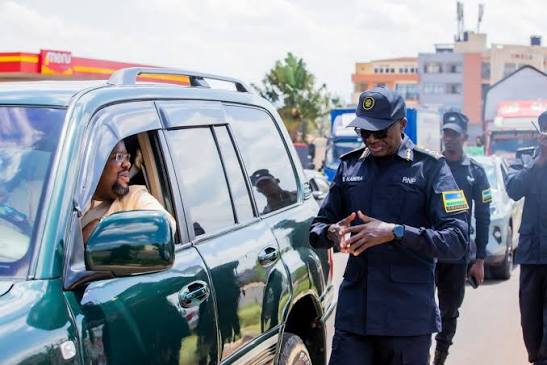
- Pull over safely and stay calm.
- Be polite and keep your hands visible.
- Show your documents when asked: license, passport copy, rental papers and insurance.
- Ask for an official ticket if you are fined, and pay only through official channels.
- Never offer money to an officer. Bribery is a criminal offence in Rwanda and is not tolerated.
An electronic ticket should only be issued after a face-to-face conversation. According to police, an electronic ticket is never auto-generated without contact from an officer. If you receive a message that does not match what happened, treat it carefully and verify it through official channels.
12 Practical Tips to Avoid Speed Camera Fines
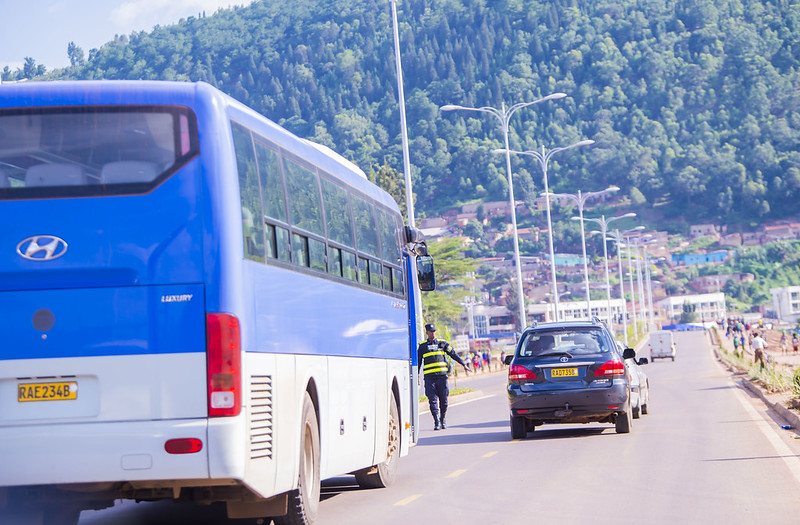
- Watch for signs constantly. Limits can change within a few hundred meters.
- Assume lower limits near schools, markets, hospitals and junctions.
- Use cruise control or a speed limiter on open stretches.
- Slow down before downhill sections. Gravity adds speed quickly on Rwanda’s hills.
- Set your navigation app’s speed alerts. Do not depend on them alone, because limits can change.
- Follow local traffic. If everyone is driving slowly, there is usually a reason.
- Avoid night driving where possible. It is harder to see signs and hazards.
- Keep a margin. Driving a few kilometers below the limit is safer than being exactly on it.
- Respect pedestrians and motorbikes, especially in towns.
- Plan extra time. Rushing is the most common cause of speeding.
- Take photos of your rental car before you leave and keep all paperwork.
- Check for tickets before you fly home, or ask your rental company to confirm there are none.
Frequently Asked Questions
Are there speed cameras in Rwanda?
Yes. Cameras are installed in Kigali and on roads to other parts of the country, and they automatically record speeding and red-light offences.
What is the speed limit in Rwanda?
Limits vary by location, typically ranging from about 25 to 80 km/h, with lower limits in Kigali and populated areas. Always follow the posted signs.
How will I know if I have been fined by a camera?
The notice is sent to the registered owner by SMS. In a rental car, the rental company will usually be notified first and may contact you.
How much is a speeding ticket in Rwanda?
Amounts depend on the offence and the current schedule. Reports have cited fines such as Rwf25,000 to Rwf50,000 for speeding, but check the latest amounts with the police.
Can I ignore a fine if I have left Rwanda?
It is not wise. Fines go to the vehicle owner, who may charge you, and unpaid fines can attract late fees and cause problems for future rentals.
Are tourists treated differently from locals?
The rules are the same for everyone. Foreign-registered cars can be handled through paper tickets in some cases.
What should I do if I think a fine is unfair?
Keep the notice and photos of the signs, then contact the traffic police through official channels to submit a complaint.
Is it safe to self-drive in Rwanda?
Yes, for most travelers. Roads are generally in good condition, but you must be alert to motorbikes, pedestrians, hills, weather and changing speed limits.
Final Thoughts
Speed cameras and traffic fines in Rwanda are part of a serious national effort to make the roads safer, and visitors benefit from the result: calm, orderly driving on some of Africa’s best roads. The formula for a fine-free trip is simple. Watch the signs, keep your speed low, understand how your rental company handles tickets, and keep your documents ready. Do that, and you can enjoy Rwanda’s hills, lakes and parks without any unwelcome SMS notifications.
Note: Fine amounts, speed limits, camera locations and enforcement procedures can change. Always confirm the latest rules with the Rwanda National Police and your rental company before you drive.
To book a rental car for self driving in Rwanda this season- simply contact us now by sending email to info@rwandacarrentalservices.com or call us now on +256-700135510.


More Stories
Umuganda Saturday: Can You Drive in Rwanda? Rules Explained
Kigali Airport Transfer for Large Groups: Van or Multiple Cars?
Prado or Safari Land Cruiser? Choosing Your Rwanda 4×4