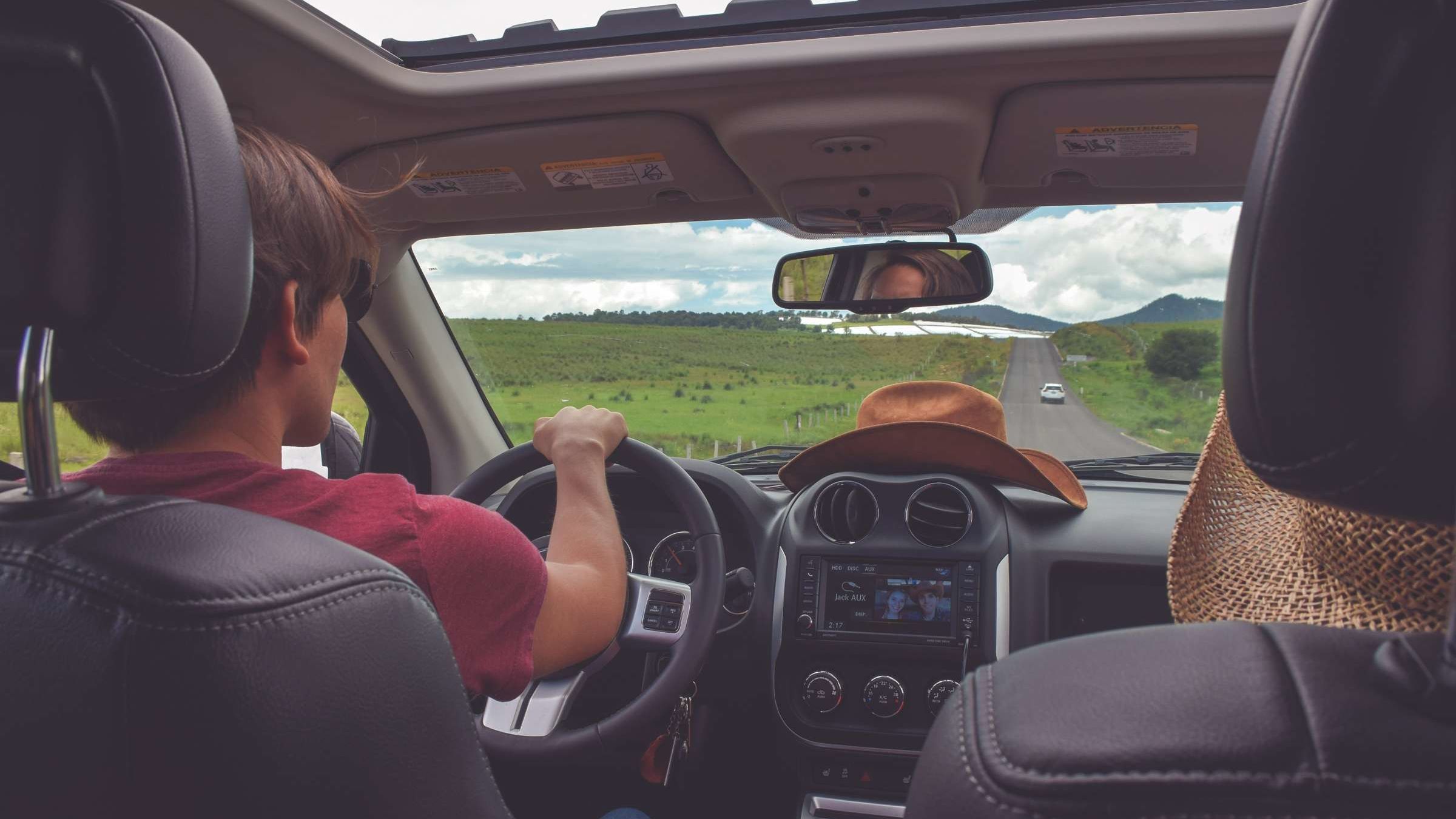
Rwanda is one of Africa’s most visitor-friendly countries. The roads are among the cleanest and best-maintained on the continent, the people are warm and welcoming, and the scenery — from the mist-covered volcanoes of the north to the shimmering shores of Lake Kivu in the west — is nothing short of spectacular. For first-time visitors, renting a car in Rwanda unlocks a level of freedom and flexibility that no group tour or shared minibus can match. You move at your own pace, stop where you want, and discover the country on your own terms. That said, renting and driving a car in a new country always comes with a learning curve. Here are the most important Rwanda car rental tips every first-time visitor should know before picking up the keys.
1. Book Your Rental Car Well in Advance
Rwanda’s tourism industry has grown rapidly in recent years, and quality rental vehicles — particularly 4×4 safari cars and Land Cruisers — can book out weeks ahead of time during peak travel periods. The busiest seasons run from June to September and December to February, when gorilla trekking permits are in highest demand and visitor numbers peak across the country. If your trip falls within these windows, booking your rental car at least four to six weeks in advance is strongly advisable. Last-minute bookings not only risk disappointment but often mean settling for a vehicle that is not ideally suited to your planned routes.
2. Choose the Right Vehicle for Your Itinerary
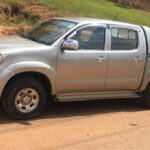
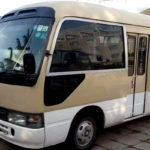
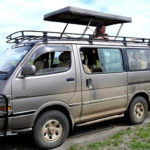
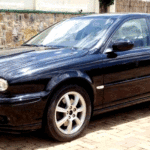
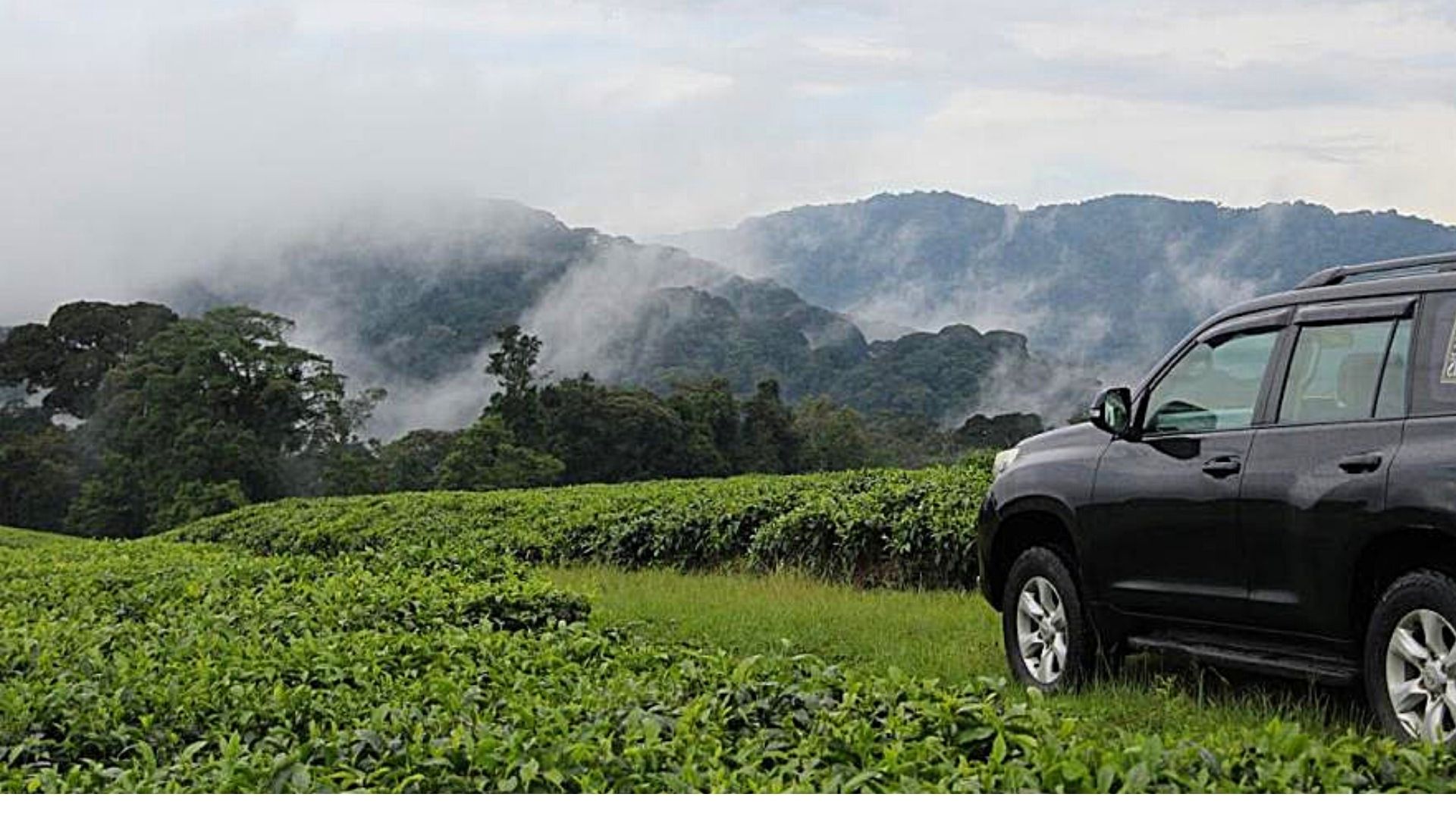
This is arguably the single most important decision you will make when renting a car in Rwanda. If your itinerary is limited to Kigali city driving and well-paved intercity roads, a standard saloon car or compact SUV will serve you perfectly well and keep costs manageable. However, if your plans include Volcanoes National Park in the north, Nyungwe Forest in the southwest, or Akagera National Park in the northeast, a 4×4 vehicle with high ground clearance is not a luxury — it is a necessity. Rwanda’s national park roads, particularly after rain, can be steep, slippery, and deeply rutted. A Toyota Land Cruiser or similarly capable 4×4 handles these conditions with ease where a standard vehicle would struggle or fail entirely.
3. Understand What Your Rental Includes
Before signing any rental agreement, take time to understand exactly what is and is not covered. A reputable Rwanda car rental company will clearly outline what is included in the daily rate — typically the vehicle itself, basic insurance, and sometimes a driver. Clarify whether the quoted price includes unlimited mileage or a daily cap, whether fuel is your responsibility, and what the procedure is in the event of a puncture or mechanical breakdown. Ask specifically about the insurance excess — the amount you would be liable for in the event of an accident — and consider whether additional coverage is appropriate for the roads you plan to drive. Transparency upfront prevents unpleasant surprises at the end of your trip.
4. Decide Between Self Drive and Hiring a Driver
Both options are widely available in Rwanda and both have real advantages depending on your travel style. Self-driving gives you complete independence — you answer to nobody’s schedule but your own, and there is a genuine satisfaction in navigating a foreign country confidently behind the wheel. Rwanda drives on the right-hand side of the road, traffic is relatively orderly by African standards, and road signage in and around Kigali is clear and reliable. For confident, experienced drivers, self-drive Rwanda is an excellent choice. However, for first-time visitors unfamiliar with Rwandan road conditions, or for those heading into remote national park areas, hiring an experienced local driver-guide adds enormous value. A good driver-guide knows the roads, speaks the language, understands local driving customs, and doubles as a knowledgeable companion who enhances every stop on your itinerary.
5. Know the Rules of the Road
Rwanda has clear and consistently enforced traffic laws, and first-time visitors should familiarise themselves with the basics before driving. Rwanda drives on the right-hand side of the road. Seatbelts are compulsory for all passengers. Mobile phone use while driving is illegal. Speed limits are 60 km/h in urban areas, 80 km/h on open roads, and 40 km/h in school zones — and these limits are actively enforced with speed cameras and police checkpoints. Motorcycles, known locally as motos, are extremely common in Kigali and require particular attention at junctions and roundabouts. Rwanda is also famously strict about cleanliness — single-use plastic bags are banned nationwide, and littering carries real penalties. Respecting these rules not only keeps you legal but reflects well on you as a visitor.
6. Carry the Right Documents at All Times
When driving in Rwanda, always carry your passport, a valid driving licence from your home country, and your car rental agreement. International visitors from most countries can drive in Rwanda on their national driving licence for visits of up to three months, though an International Driving Permit is recommended as an additional safeguard and is widely accepted by police and rental companies alike. Keep physical copies of all documents in the vehicle at all times, as police checkpoints are common on intercity routes and document checks are routine. Rwandan traffic police are professional and courteous — as long as your paperwork is in order, stops are brief and straightforward.
7. Plan Your Fuel Stops on Long Drives
Rwanda is a small country by African standards, but distances between fuel stations can still catch unprepared drivers off guard, particularly on routes heading toward Nyungwe Forest or the more remote areas of Akagera. Make it a habit to fill your tank completely whenever you pass a fuel station on a long route rather than waiting until the gauge drops low. There are no fuel stations inside any of Rwanda’s national parks, so a full tank before entering any park is an absolute must. Keeping a mental note of your last fuel stop and the distance to the next one is a simple habit that prevents avoidable headaches in the field.
8. Use a Reputable Local Rental Company
Rwanda has a growing number of car rental options ranging from international chains to well-established local operators. For first-time visitors, a reputable local company often provides better value, more flexibility, and a more personalized service than larger international brands. Local operators know Rwanda’s roads intimately, can advise on routes and conditions in real time, and are far easier to reach quickly if something goes wrong during your trip. Look for companies with clear pricing, verified customer reviews, a well-maintained fleet, and a responsive reservations team who answer your questions promptly before you commit to a booking.
Start Your Rwanda Road Trip the Right Way
Rwanda is a country that rewards curious, independent travelers — and having the right rental car is the foundation of a truly memorable visit. Whether you are self-driving to the gorillas of Volcanoes National Park, exploring the tea plantations of the southwest, or cruising the lakeside roads of Gisenyi, Rwanda Car Rental Services has the perfect vehicle for every route and every traveler. Our fleet includes everything from budget saloon cars for city travel to fully equipped 4×4 Land Cruisers for national park adventures, with both self-drive and driver-guided options available.
Contact us today at info@rwandacarrentalservices.com or call our reservations team to book your vehicle and begin your Rwanda adventure with complete confidence.
More Stories
Cross Border Car Rental: Driving from Rwanda to Uganda
Rent a Car in Rwanda For Self Drive & With A Driver
Renting a Car in Rwanda With Kids: Safety & Child Seat Tips