


Rwanda‘s name tends to conjure one image in the minds of travellers: a misty forest, a ranger crouching low, and the awe-struck silence of being metres away from a mountain gorilla. Adventure gorilla trekking in Volcanoes National Park is, without question, one of the greatest wildlife experiences on the planet, and it deserves every superlative it receives.
But Rwanda is far more than its gorillas.
For those willing to explore beyond the well-worn path between Kigali and Volcanoes National Park, the country reveals a depth and diversity that most visitors never encounter. Ancient forests alive with primates, volcanic lakes shimmering in remote highlands, lakeside towns with a quietly colonial past, cultural sites that tell Rwanda’s complex and resilient story — these experiences are here, waiting, largely uncrowded and genuinely extraordinary.
Here are five hidden gems worth planning your trip around this year.
1. Nyungwe Forest National Park — Rwanda’s Ancient Canopy
Most travellers heading for gorillas never make it to the southwest, which means Nyungwe Forest National Park remains beautifully, almost unfairly, quiet. That is remarkable given what it contains.
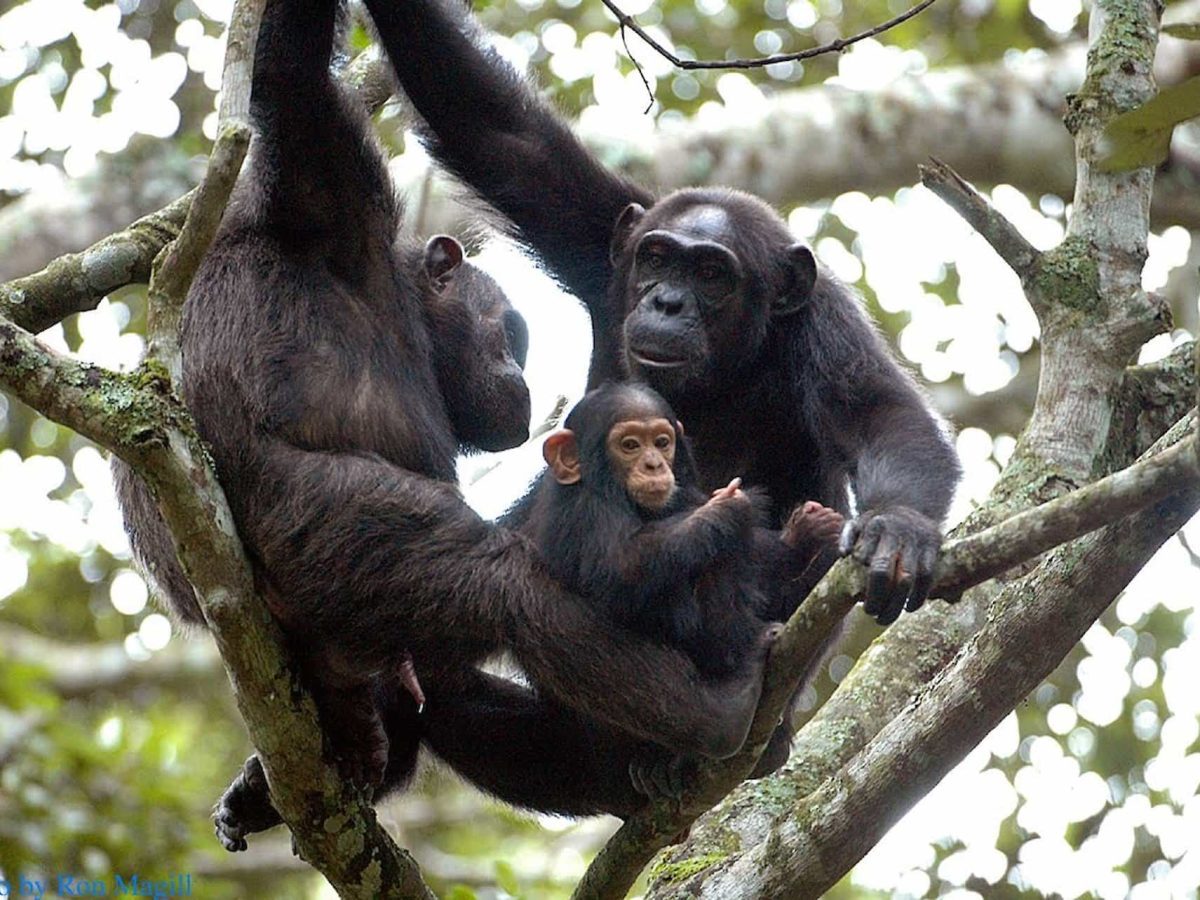
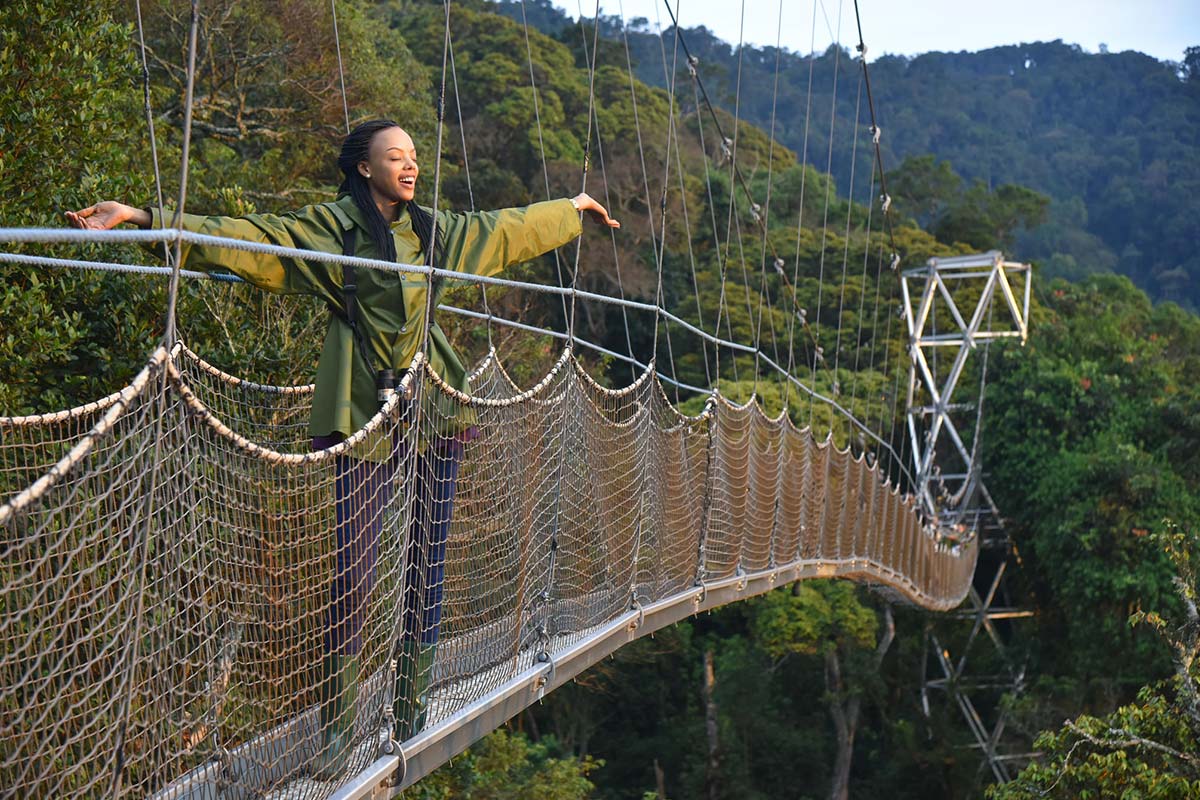
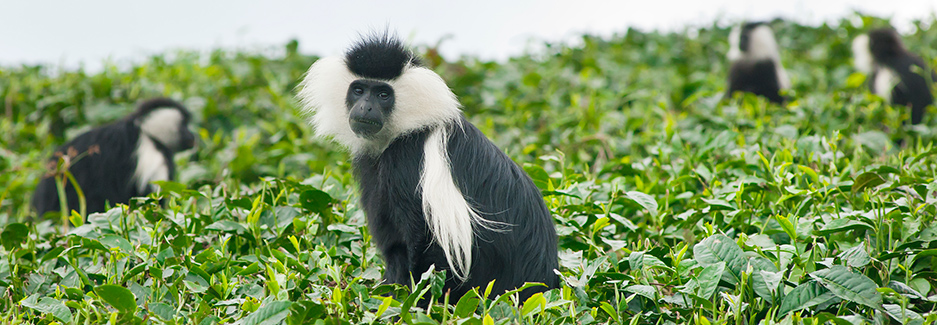
Nyungwe is one of the oldest rainforests in Africa, a vast montane ecosystem that has remained largely intact for millions of years. It is home to thirteen primate species, including chimpanzees and the rare Rwenzori colobus monkey, which gathers in troops of several hundred — some of the largest primate groups on the continent. The canopy walk, a suspension bridge strung high above the forest floor, offers views across an unbroken sea of green that stretches all the way to the Congo border.
Birdwatchers consider Nyungwe a true pilgrimage destination, with over 300 species recorded, including 29 found nowhere else in the Albertine Rift. Even a single morning here, walking the trails with a knowledgeable guide, feels like stepping into a world that has barely changed since the age of dinosaurs. The drive from Kigali takes around five to six hours along routes that pass through some of the most dramatic highland scenery in East Africa — worth every kilometre.
2. Lake Kivu — Rwanda’s Undiscovered Riviera
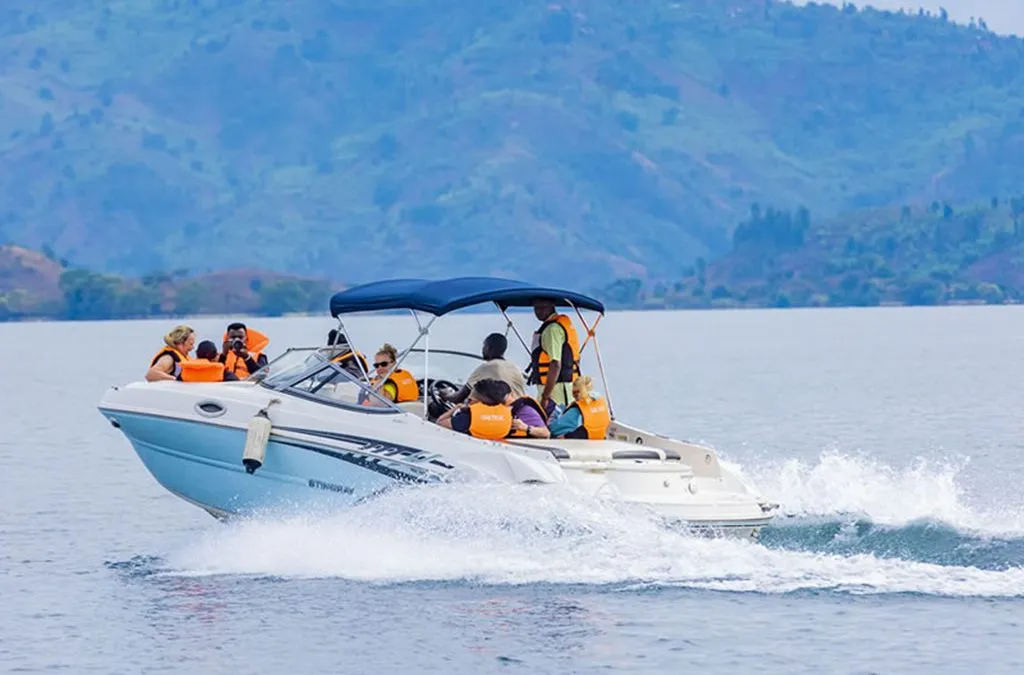
Stretched along Rwanda’s western border with the Democratic Republic of Congo, Lake Kivu is one of Africa’s Great Lakes and one of its most scenic. Towns like Gisenyi (now known as Rubavu) in the north and Kibuye (Karongi) in the centre sit right on the lake’s edge, their streets lined with flame trees and colonial-era architecture, their shores lapped by remarkably calm, clear water.
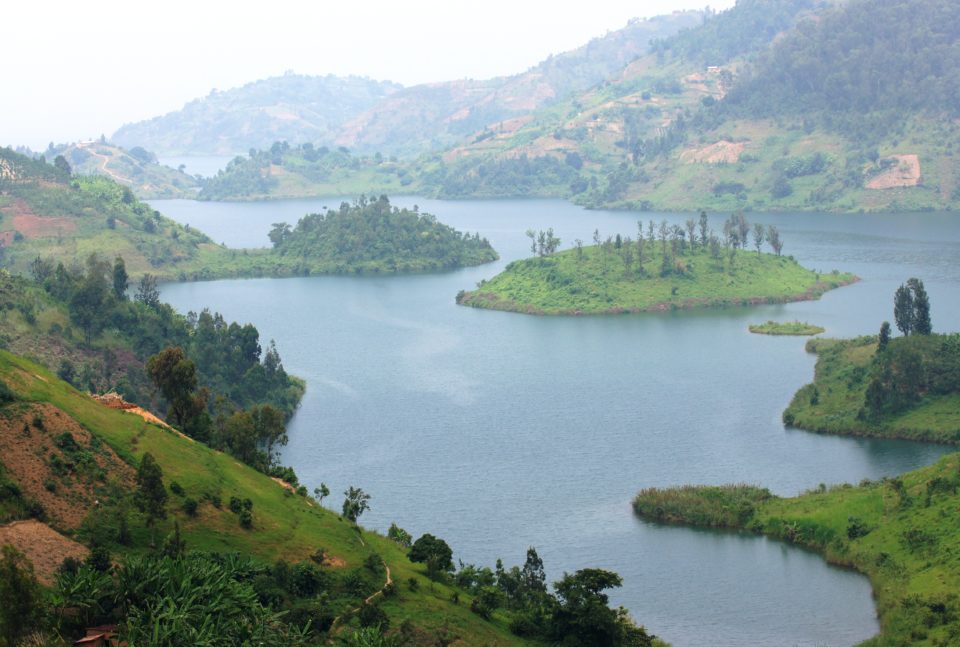
Kivu is a swimmer’s lake — bilharzia-free, which is genuinely rare in the region, and warm enough year-round for a comfortable swim. Kayaking between the lake’s numerous small islands, watching the sun set behind the Congo hills, or simply sitting on a guesthouse terrace with a cold Primus beer and a view of the water — these are pleasures that remain almost entirely off the mass-tourism radar.
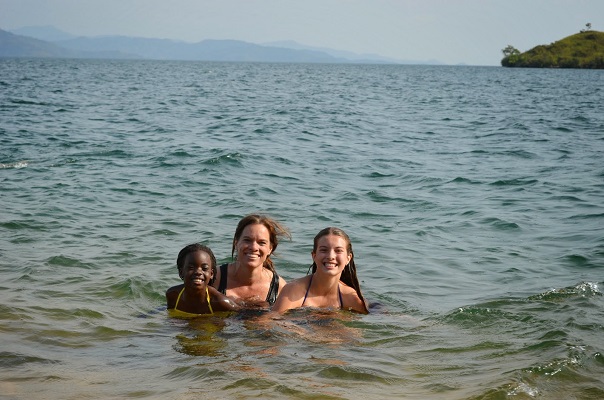
The lakeside town of Kibuye in particular has a quiet, reflective atmosphere. It sits on a peninsula jutting into the lake, surrounded by emerald hills, and offers some of the best sunsets in all of Rwanda. The drive along the Congo Nile Trail that hugs the lake’s shore is increasingly popular with cyclists, but remains largely undiscovered by mainstream visitors.
3. Musanze Caves — Underground Rwanda
Most visitors to the Musanze area, in Rwanda’s northwest, use the town purely as a base for gorilla trekking. Few know that just outside town lies a network of lava tube caves stretching for over two kilometres underground — formed thousands of years ago by volcanic activity from the Virunga chain.
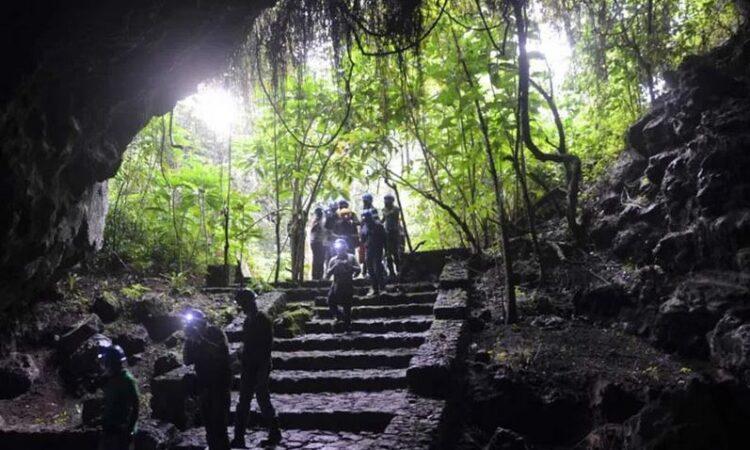
The Musanze Caves are not merely geological curiosities. They hold significant historical weight: during periods of conflict in Rwanda’s history, people sought shelter in these caves, and local oral tradition is woven through with their presence. A guided tour through the illuminated chambers — past ancient rock formations, underground streams, and caverns large enough to swallow a small building — is both visually stunning and deeply atmospheric. It takes less than two hours and costs a fraction of the gorilla trekking permit, making it an ideal addition to any Volcanoes itinerary.
4. Gishwati-Mukura National Park — Rwanda’s Comeback Forest
Rwanda’s newest national park is also its least visited, which makes it one of the most exciting destinations for travellers who value the feeling of being somewhere genuinely uncharted. Gishwati-Mukura, gazetted as a national park in 2015, was once almost entirely destroyed — logging and farming had reduced the ancient forest to fragments. A decade of sustained conservation effort has brought it back.
Chimpanzee trekking here is an emerging and still-intimate experience, with habituated groups allowing visitor access in small numbers. Golden monkeys, forest elephants, and over 230 bird species also inhabit the park. Because tourism infrastructure is still developing, those who visit now are among the pioneering travellers who will look back and say they were there before the crowds arrived.
5. Akagera’s Northern Sector — The Quiet Side of the Savannah
Akagera National Park is becoming better known, but the vast majority of visitors concentrate on the park’s more accessible central and southern areas. The northern sector — reached via longer, rougher tracks — remains strikingly quiet and offers some of the park’s most dramatic landscape: wide floodplains, papyrus-fringed lakes, and long ridges with views across into Tanzania.
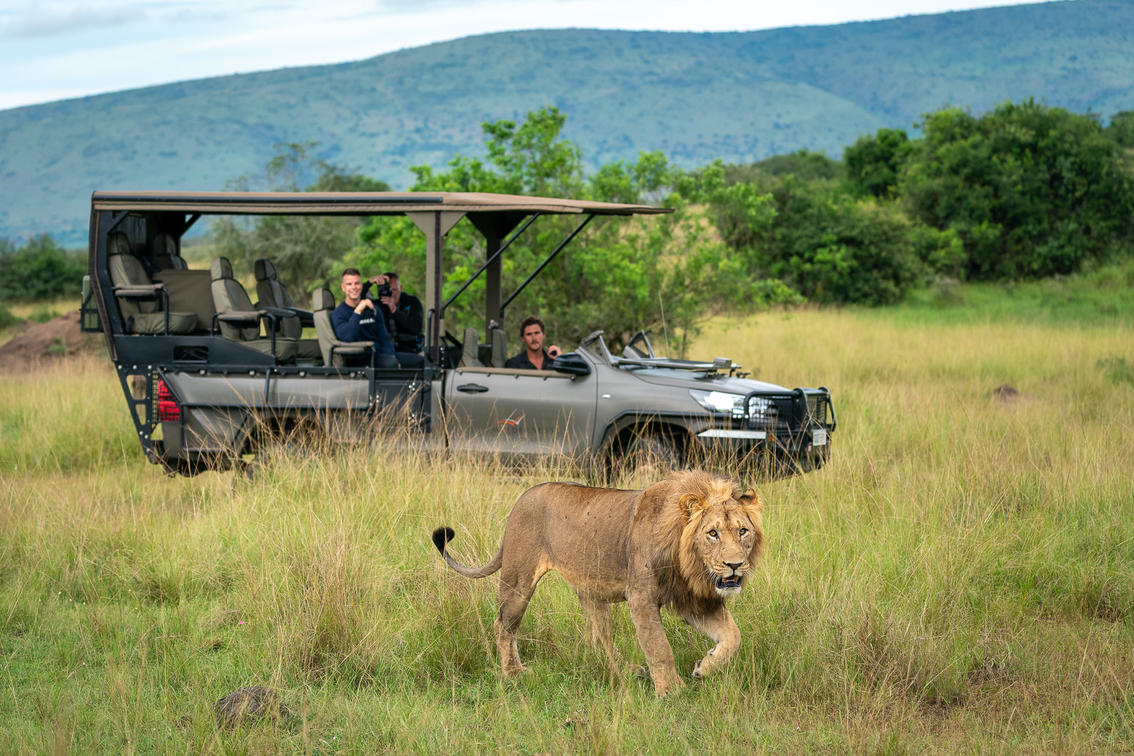
This is where patient wildlife watchers find lion sightings without competition from a dozen other vehicles, where the light at dawn and dusk falls across the water in ways that feel almost theatrical, and where the experience most closely resembles what a safari was before mass tourism reshaped it. Reaching the north requires a capable 4WD vehicle and ideally a guide who knows the tracks — but the reward is a kind of stillness that is increasingly rare anywhere in Africa.
Getting There Is Half the Story
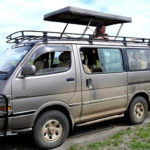
Rwanda’s hidden gems share one common trait: they require a journey to reach them. The roads are navigable and generally well-maintained by regional standards, but they wind, climb, and descend through terrain that rewards local knowledge. Whether you are crossing the highlands to Nyungwe, tracing the lakeshore to Kibuye, or pushing north through Akagera’s back roads, having the right vehicle and an experienced driver-guide makes the difference between an anxious scramble and a genuinely pleasurable expedition.

At Rwanda Car Rental Services, we provide self-drive and fully guided transport solutions designed for exactly these kinds of itineraries. Our fleet of 4WD vehicles handles Rwanda’s terrain with ease, and our team can help you build a route that brings all five of these hidden gems into a single, unforgettable trip.
Rwanda has more to offer than almost any visitor expects. The only question is how much of it you are ready to discover.
Contact Rwanda Car Rental Services to plan your extended Rwanda itinerary — gorillas included, or not. Simply email to info@rwandacarrentalservices.com or call us now on +256-700135510 to speak with reservations team.
More Stories
Cross Border Car Rental: Driving from Rwanda to Uganda
Rent a Car in Rwanda For Self Drive & With A Driver
Renting a Car in Rwanda With Kids: Safety & Child Seat Tips