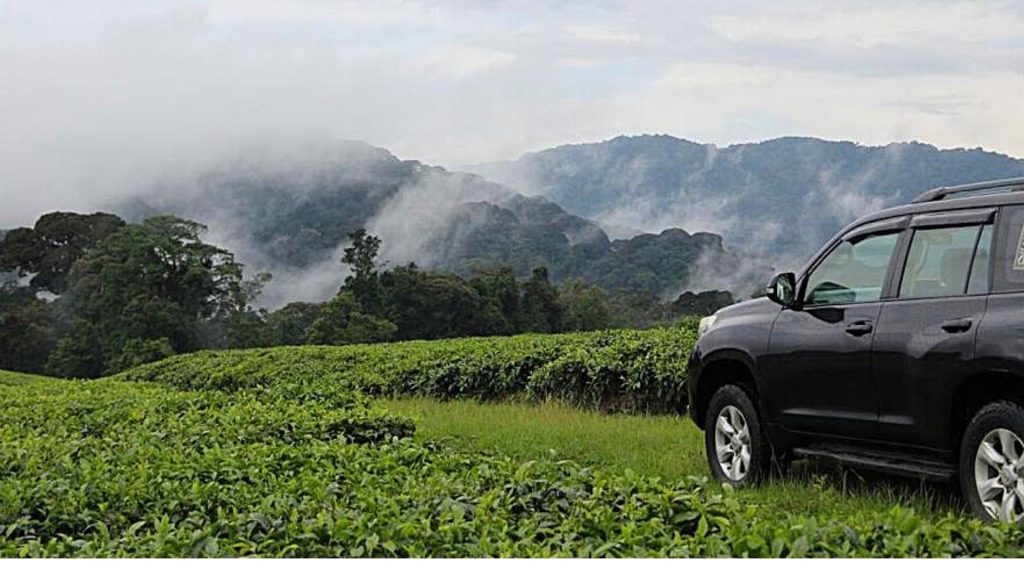
Rwanda continues to attract expatriates, business professionals, NGOs, and long-stay visitors in 2026, drawn by its booming economy, stunning landscapes, and status as one of Africa’s safest and most progressive nations. For those planning an extended stay—whether relocating for work, managing a project, or exploring beyond a short vacation—long-term car rental emerges as a smart, flexible alternative to buying a vehicle or relying on taxis and public transport. Rwanda car rental services offer tailored monthly or multi-month packages that provide independence, cost savings, and convenience without the burdens of ownership.
Long-term car rental in Rwanda typically starts from 21–30 days onward, with options extending to months or even a year. This setup suits expats settling in Kigali, corporate teams on assignments, researchers in the field, or families on sabbaticals. Unlike short-term tourist rentals focused on safaris, long-term plans emphasize reliability, maintenance support, and customizable terms for daily commuting, site visits, or weekend getaways to Volcanoes National Park or Lake Kivu.
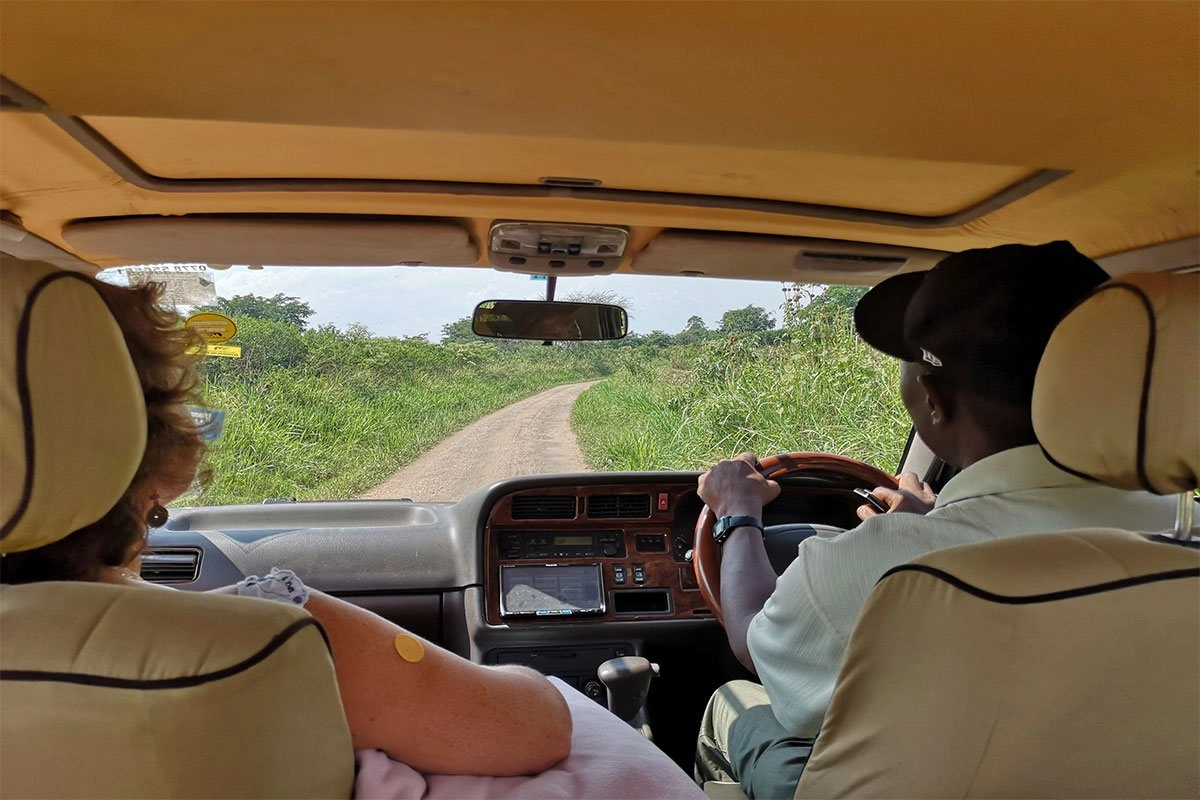
Key Advantages of Long-Term Car Rental In Rwanda
The primary appeal is cost-effectiveness. Daily or weekly rentals in Rwanda can accumulate quickly—short-term rates often hover around $50–$100 per day for a standard SUV, leading to $1,500–$3,000 monthly without discounts. Long-term agreements slash these figures significantly through tiered pricing and promotions. Monthly rates commonly range from $600–$900 for economy or compact cars, $800–$1,500 for reliable SUVs like the Toyota RAV4 or Prado, and $2,000+ for luxury or premium 4×4 models. Discounts of 20–50% compared to daily equivalents make long-term far more economical, especially when factoring in no depreciation worries, registration fees, or resale hassles.
Flexibility and independence stand out as major benefits. With your own vehicle, you dictate your schedule—crucial for business travelers attending meetings across Kigali districts, visiting project sites in rural areas, or balancing work with leisure drives to Nyungwe Forest or Akagera National Park. No need to negotiate taxi fares, wait for rides, or adhere to public transport timetables. For expats, this mobility eases the transition: shopping at local markets, school runs, or spontaneous outings become effortless, helping build a sense of normalcy in a new country.
Maintenance and support add further value. Reputable providers handle routine servicing, tire replacements, and repairs, often including 24/7 roadside assistance. Comprehensive insurance packages cover accidents, theft, and third-party liability—mandatory in Rwanda—while eliminating the need to navigate local insurance processes. Many long-term plans allow vehicle swaps if needs change (e.g., upgrading from a sedan to a 4×4 for rainy-season travel) and include flexible pickup/drop-off at Kigali International Airport or city locations.
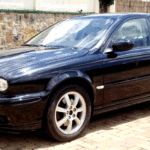
For business and NGO users, long-term rentals project professionalism. A well-maintained SUV or executive sedan enhances client meetings and site inspections, while corporate packages may offer fleet options for teams. Cross-border permissions (for Uganda or Tanzania drives) are sometimes available, ideal for regional projects.
Practical Considerations and Requirements
To secure a long-term car rental in Rwanda, prepare standard documents: a valid driver’s license (held for at least 1–2 years), an **International Driving Permit (IDP)**—essential for foreigners and often required at checkpoints—an passport, and a credit card for deposits. Minimum age is typically 23–25, with some firms capping at 65–70 for insurance. Rwanda drives on the **right side**, with speed limits of 40–60 km/h in urban areas and up to 80–100 km/h on highways. Third-party insurance is compulsory, but opt for full coverage to protect against potholes, minor collisions, or theft risks in busier areas.

Driving in Rwanda remains straightforward on paved main roads, though vigilance is key: watch for boda-boda motorcycles, pedestrians, and occasional livestock. Police checkpoints are routine—keep documents handy and stay polite. Avoid night driving due to limited lighting and hazards. For long-term users, daily checks (fluids, tires) and cautious habits ensure longevity.
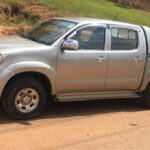
Vehicle choice depends on your needs. For Kigali commuting, a compact or mid-size SUV suffices. For frequent rural or park trips, a 4×4 like the Toyota Land Cruiser Prado handles gravel roads and hills best. Fuel is readily available in towns, with stations accepting cards or cash.
Why Choose Long-Term Rentals in 2026?
Rwanda’s infrastructure continues improving, with expanding highways and stable fuel supply making extended driving reliable. As tourism and business grow, demand for flexible rentals rises—booking early secures the best rates and vehicle availability. Long-term options avoid import duties, local registration complexities, and vehicle depreciation that come with buying.
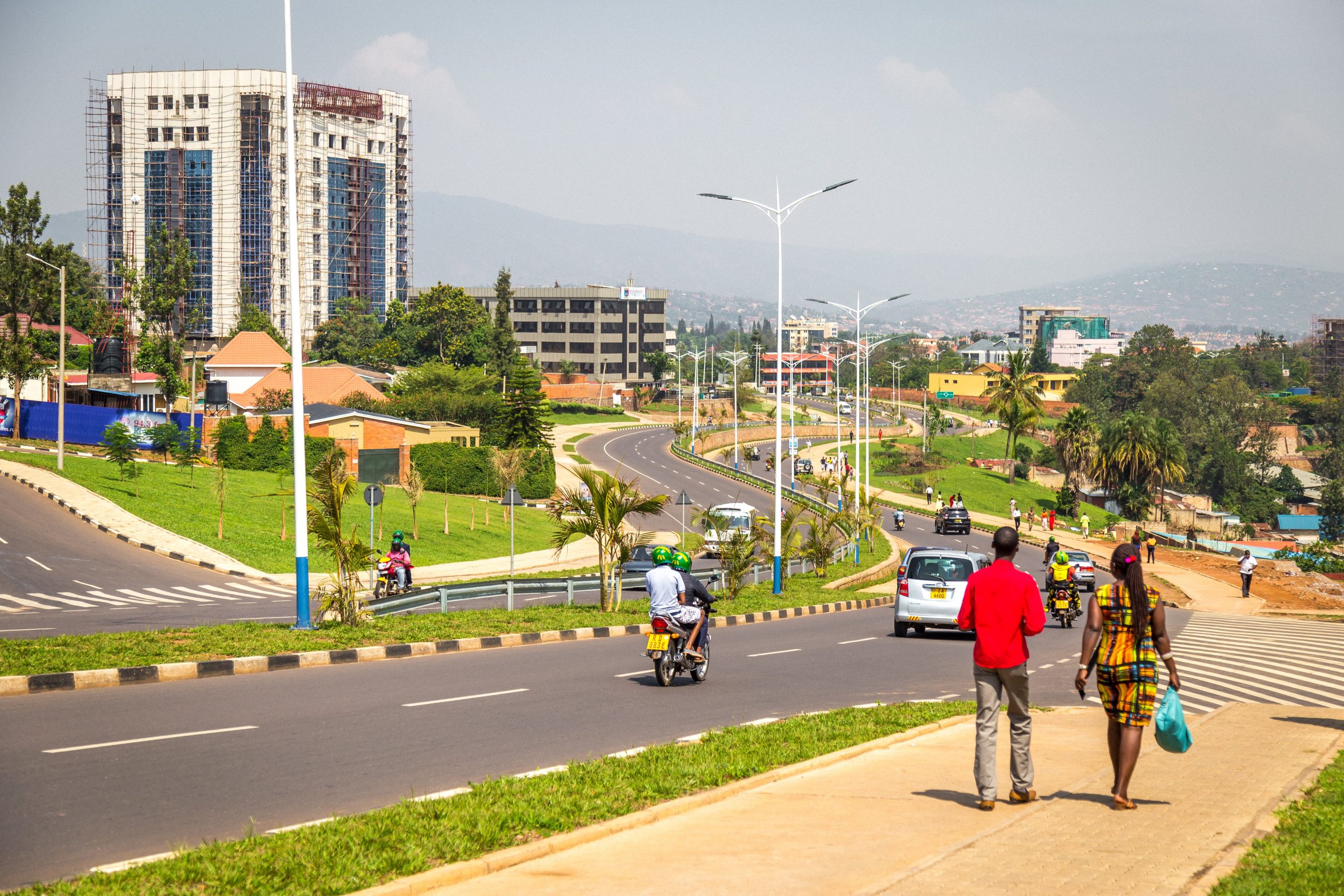
At Rwanda Car Rental Services, we specialize in hassle-free long-term packages with competitive monthly pricing, full insurance, maintenance, and expert advice for expats and professionals. Whether you’re here for months on a development project or settling into life in the Land of a Thousand Hills, a long-term rental delivers freedom, savings, and reliability.
Contact us to customize a Rwanda long term car rental plan that fits your stay—your wheels in Rwanda await. Email to info@rwandacarrentalservices.com or call us now on +256-700135510 to speak with the reservations team.
About The Author





More Stories
The Best Cars to Rent in Rwanda: Complete Vehicle Guide
Top 50 Rwanda Car Rental Frequently Asked Questions- Part 4
Top 50 Rwanda Car Rental Frequently Asked Questions- Part 3