
Rwanda, known as the “Land of a Thousand Hills,” has emerged as one of Africa’s most remarkable destinations. From mountain gorillas to vibrant cities and poignant history, here’s everything you need to know before visiting this beautiful country in 2026.
1. Visa Process Is Simple and Efficient
Most visitors can obtain a visa on arrival at Kigali International Airport for $50 USD, valid for 30 days. You can also apply online for an e-visa before traveling. Citizens of all African countries, as well as several other nations, can enter visa-free. If you’re planning to visit Uganda and Kenya as well, consider the East Africa Tourist Visa ($100) which covers all three countries for 90 days. Rwanda’s immigration process is notably quick and efficient.
2. Rwanda Is Exceptionally Clean and Organized
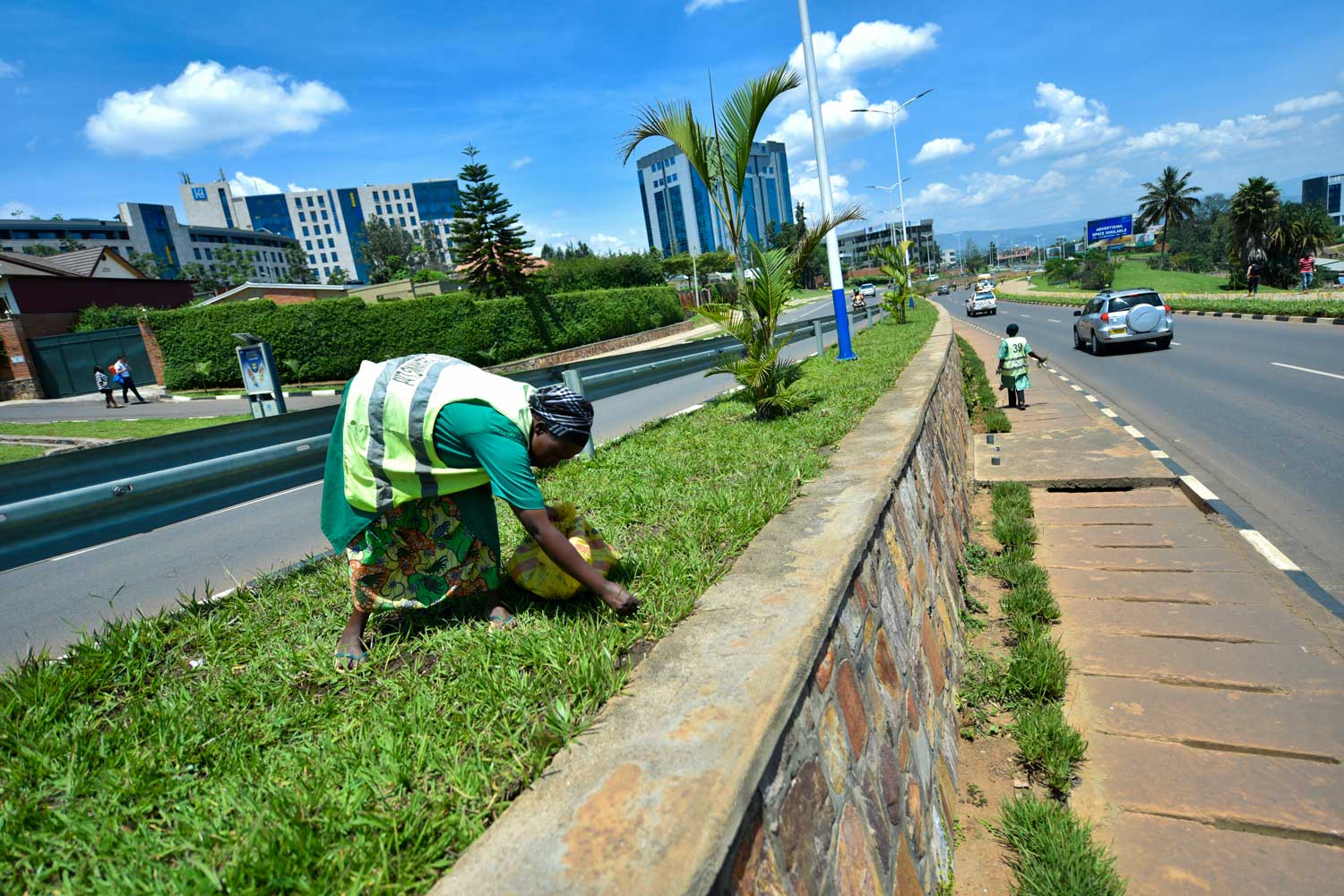
Rwanda is famous for being one of Africa’s cleanest countries. Plastic bags are banned nationwide—they’ll be confiscated at the airport, so pack accordingly using paper or cloth bags. Every last Saturday of the month is Umuganda, a national community service day from 8am to 11am when most businesses close and citizens participate in community cleaning projects. The streets are immaculate, and littering can result in fines. This commitment to cleanliness extends to well-maintained infrastructure and efficient public services.
3. Gorilla Trekking Permits Are Premium-Priced
A gorilla trekking permit in Volcanoes National Park costs $1,500 USD per person, making it the most expensive in the region. Despite the high price, permits often sell out months in advance, particularly during the dry seasons. Book at least 6 months ahead through the Rwanda Development Board or a licensed tour operator. The experience of encountering mountain gorillas in the misty bamboo forests is extraordinary. For a more affordable primate experience, consider golden monkey tracking ($100) or chimpanzee trekking in Nyungwe Forest.
4. Kigali Is One of Africa’s Most Modern Cities
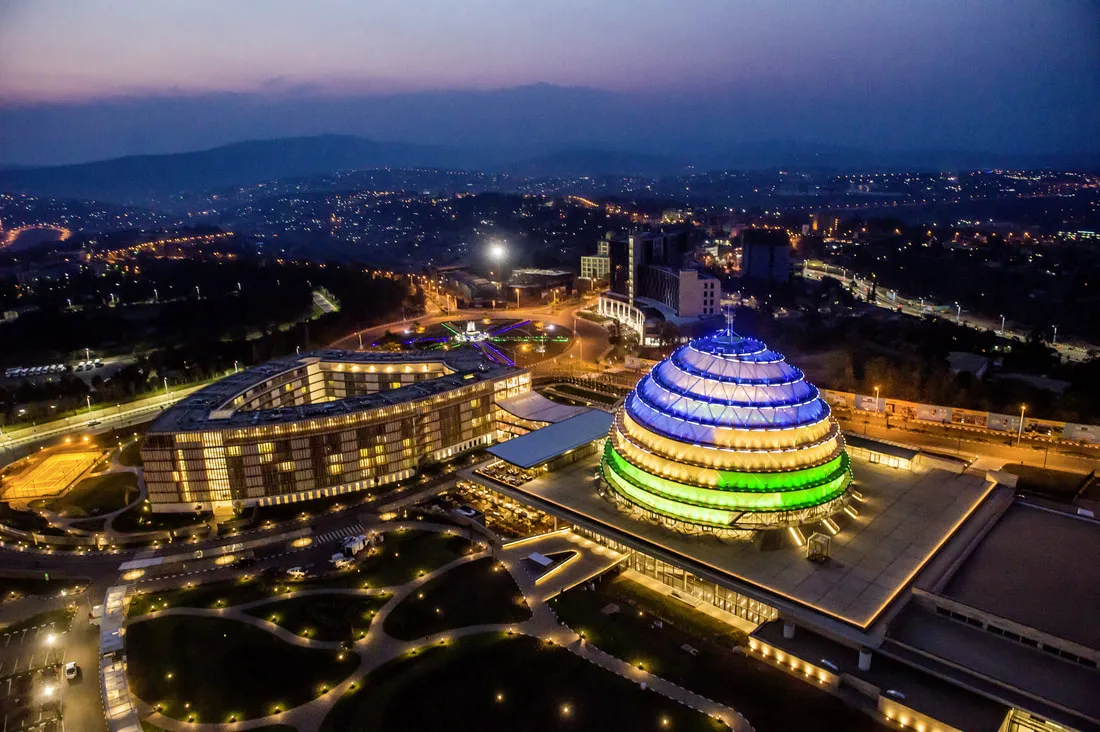
Rwanda’s capital, Kigali, is clean, safe, and surprisingly cosmopolitan. The city features excellent restaurants, cafes, hotels, and nightlife. The Kigali Genocide Memorial is a deeply moving and essential visit to understand Rwanda’s history and remarkable recovery. The city sprawls across multiple hills with beautiful views, and motorcycle taxis (motos) are the quickest way to navigate. Public buses are clean and efficient. Kigali is also a great base for exploring the country, as Rwanda is small and most attractions are within a few hours’ drive.
5. The Country Is Extremely Safe
Rwanda has one of the lowest crime rates in Africa and is considered very safe for travelers. The government maintains strict law enforcement, and violent crime against tourists is rare. Women can walk alone even at night in Kigali, though basic precautions are always wise. Police and security presence is visible but not oppressive. That said, always use common sense—don’t flash expensive items, use registered taxis, and keep valuables secure.
6. English Is Widely Spoken
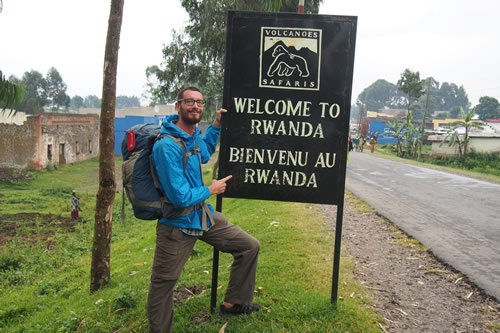
Rwanda has three official languages: Kinyarwanda, French, and English. Since 2009, English has been the primary language of education and business. You’ll find most people in tourist areas, hotels, and restaurants speak English well, especially younger Rwandans. In rural areas, Kinyarwanda dominates, but learning a few phrases like “Muraho” (hello) and “Murakoze” (thank you) is appreciated and will bring smiles.
7. The Currency and Payment Options
The Rwandan Franc (RWF) is the local currency. ATMs are widely available in Kigali and major towns, and credit cards are accepted at upscale hotels and restaurants. However, cash is preferred in smaller establishments and rural areas. US dollars are accepted for major expenses like tours and accommodation—bring newer bills (2009 or later) as older ones may be rejected. Mobile money is extremely popular in Rwanda, and visitors can set up mobile money accounts for convenient payments.
8. Dress Modestly and Respectfully
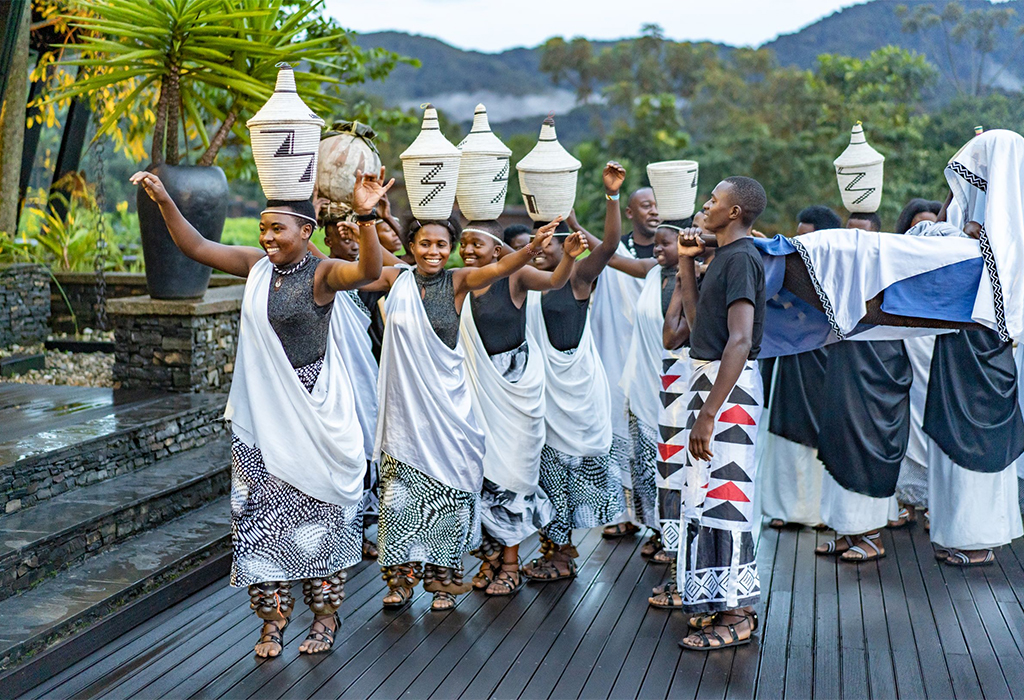
Rwanda is a conservative, predominantly Christian country. Dress modestly, especially when visiting rural areas, religious sites, or government buildings. Shorts, short skirts, and revealing clothing are generally frowned upon. When visiting genocide memorials, respectful attire is essential—no shorts, tank tops, or hats. Business attire is formal, and Rwandans take pride in dressing well. Casual but neat clothing is appropriate for most tourist activities.
9. Beyond Gorillas: Diverse Natural Beauty
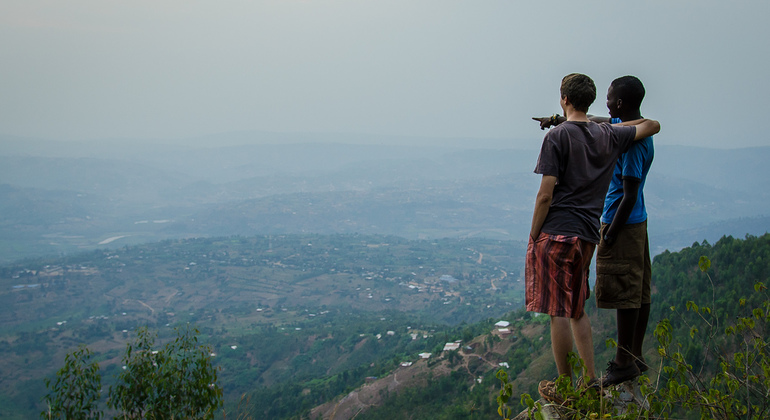
While Volcanoes National Park is the star attraction, Rwanda offers much more. Nyungwe Forest National Park is home to chimpanzees and 13 other primate species, plus a thrilling canopy walk suspended 50 meters above the forest floor. Akagera National Park in the east offers classic savanna safaris with the Big Five—lions were reintroduced in 2015 and black rhinos in 2017. Lake Kivu, one of Africa’s Great Lakes, provides beautiful beaches, water sports, and relaxing resort towns like Gisenyi and Kibuye.
10. Understanding Rwanda’s History Is Important
The 1994 genocide against the Tutsi is a crucial part of understanding modern Rwanda. Over one million people were killed in 100 days. Today, Rwanda has made extraordinary progress in reconciliation, development, and nation-building. Visiting genocide memorials, particularly the Kigali Genocide Memorial, provides important context and is a powerful, moving experience. Rwandans have worked hard to build a unified national identity, and discussing ethnicity is generally avoided in favor of emphasizing national unity.
Practical Tips
Best Time to Visit: The dry seasons (June to September and December to February) are ideal for gorilla trekking and hiking. The wet seasons offer lush landscapes and fewer crowds.
Health: Yellow fever vaccination is required if coming from endemic countries. Malaria prophylaxis is recommended, though Kigali is at high altitude and has low malaria risk. Tap water in Kigali is generally safe to drink.
Getting Around: Rwanda is small—you can drive from Kigali to any corner of the country in under 5 hours. Roads are excellent by African standards. Car rentals with drivers are affordable and recommended.
Rwanda’s combination of remarkable wildlife, stunning landscapes, warm hospitality, and inspiring national transformation makes it an unforgettable destination. With proper planning, your 2026 visit will be truly special.
About The Author


More Stories
Cheap Car Rental in Kigali: Find Affordable Cars Nearby
Rwanda Car Rental Booking: When to Reserve Your Car
Cheap Car Rental Nearby: Affordable Car Hire in Rwanda