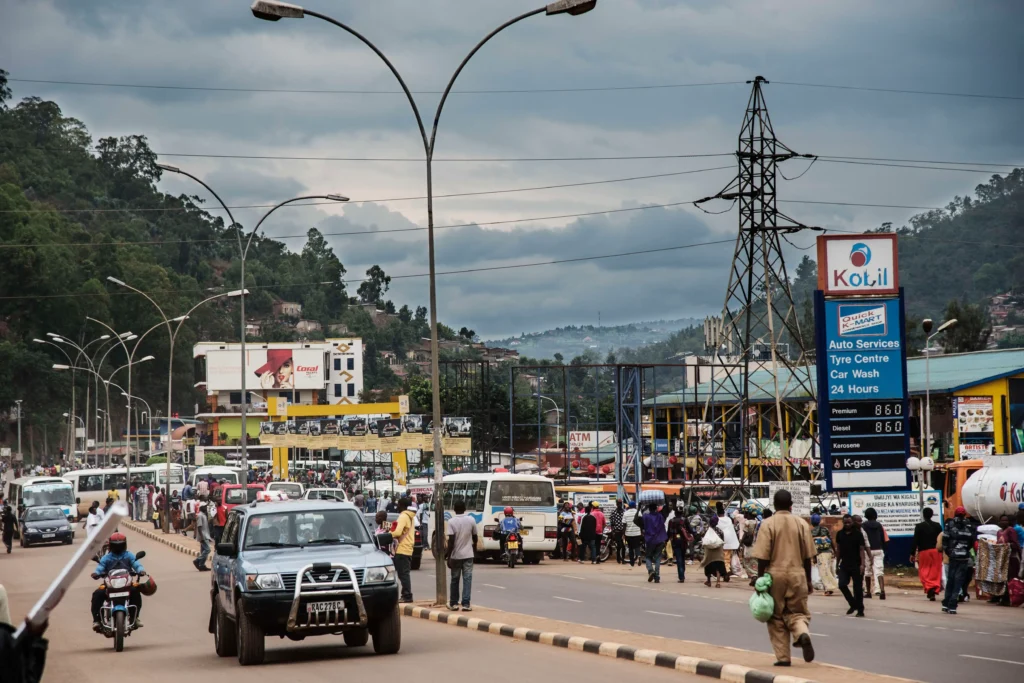
Rwanda has transformed dramatically over the past two decades, and nowhere is this evolution more evident than on its roads. For visitors considering driving in Rwanda in 2026, the experience offers a unique blend of excellent infrastructure, stunning scenery, and cultural immersion that few African countries can match. However, like any destination, it comes with its own set of rules, challenges, and considerations that travelers should understand before getting behind the wheel.
The State of Rwanda’s Roads in 2026
Driving in Rwanda today is remarkably different from just a decade ago. The government’s ambitious infrastructure development program has yielded an impressive network of paved roads connecting all major cities and tourist destinations. The highway linking Kigali to Musanze (formerly Ruhengeri) near Volcanoes National Park is a smooth, well-maintained artery that showcases the country’s commitment to transportation infrastructure.

That said, driving still requires attention and adaptability. While main routes are excellent, secondary roads—particularly those leading to remote villages or national parks like Gishwati-Mukura—can quickly transition from tarmac to murram (dirt) surfaces. During the rainy seasons from March to May and October to December, these unpaved roads can become challenging even for experienced drivers, making a 4×4 vehicle essential for off-the-beaten-path exploration.
Traffic Rules and Regulations
Understanding local regulations is crucial when driving in Rwanda. The country drives on the right side of the road, following continental European conventions. Speed limits are strictly enforced: 60 km/h in urban areas, 80 km/h on rural roads, and 100 km/h on highways. Speed cameras are increasingly common on major routes, and fines are substantial.
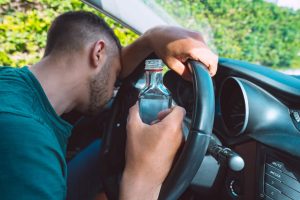
Rwanda has zero tolerance for drinking and driving—the blood alcohol limit is 0.00%. Traffic police conduct regular checkpoints, particularly on weekends and public holidays. Seatbelts are mandatory for all passengers, and mobile phone use while driving is prohibited unless using a hands-free system. These regulations aren’t merely suggestions; enforcement is consistent and fines are levied without exception.
One unique aspect of driving in Rwanda is the monthly car-free day in Kigali, typically held on the last Sunday of each month. On these days, major roads in the capital are closed to vehicles from 7 AM to 11 AM, reserved instead for cyclists, joggers, and pedestrians. Visitors planning to drive in Rwanda should check the calendar to avoid scheduling conflicts.
Licensing and Vehicle Rental
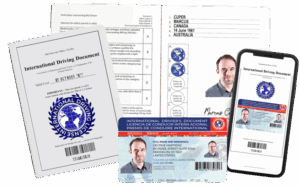
International travelers can use their home country driver’s license for up to 90 days when driving in Rwanda, though an International Driving Permit (IDP) is strongly recommended and preferred by rental companies. Those staying longer must obtain a Rwandan driver’s license through the Rwanda Transport Development Agency.
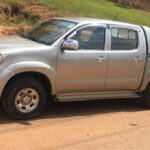
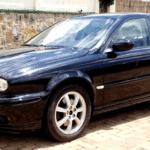
Car rental options in Kigali have expanded significantly, with both international chains and reputable local companies offering everything from compact sedans to rugged 4x4s. Daily rates for a basic sedan start around $40-60, while 4×4 vehicles range from $80-150 depending on the model and rental duration. Most companies require drivers to be at least 23 years old with two years of driving experience.
Insurance is mandatory when driving in Rwanda, and rental agreements typically include basic coverage. However, travelers should carefully review policy details, as damage to undercarriages on rough roads may not be covered under standard agreements. Comprehensive insurance, while more expensive, provides peace of mind on challenging terrain.
Navigation and Road Conditions
Modern GPS systems and smartphone apps like Google Maps work reliably in Rwanda, even in rural areas where cellular coverage has improved dramatically. However, downloading offline maps remains advisable for remote regions. Road signage has improved considerably, with bilingual signs in English and Kinyarwanda becoming standard on major routes.
The topography presents both the greatest challenge and the greatest reward when driving in Rwanda’s remote areas. This is genuinely the “Land of a Thousand Hills,” and roads follow the contours of dramatic terrain. Steep ascents and descents are common, hairpin turns are frequent, and fog can roll in suddenly in highland areas. Engine braking on descents is essential to prevent brake fade, and maintaining safe following distances is crucial on winding mountain roads.
Safety Considerations
Rwanda ranks among Africa’s safest countries, and this extends to road safety. However, driving in Rwanda requires defensive techniques. Pedestrians, cyclists, and livestock share the roads, particularly in rural areas. Children walking to school, farmers herding cattle, and cyclists carrying impossibly large loads of bananas or charcoal are daily sights that demand careful navigation.
Motorcycles, known locally as “motos,” are ubiquitous and sometimes unpredictable. These two-wheeled taxis weave through traffic with impressive agility, requiring constant vigilance from car drivers. Night driving presents additional challenges, as street lighting outside cities is limited, and pedestrians wearing dark clothing can be difficult to see.
Cultural Etiquette on the Road
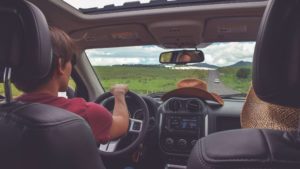 Driving in Rwanda also involves understanding local road culture. Rwandans are generally courteous drivers, and a friendly wave when someone allows you to merge is customary. Honking is used sparingly—primarily to alert others of your presence on blind corners or when overtaking, not as an expression of frustration.
When driving through villages, reducing speed is not just legally required but culturally expected. Communities appreciate visitors who drive carefully through their neighborhoods, and children often wave enthusiastically at passing vehicles, particularly those with foreign plates.
Fuel and Services
Fuel stations are plentiful in cities and along major routes, though traveling to remote areas requires planning. Diesel and petrol (gasoline) are widely available, and most stations accept credit cards, though carrying cash is advisable for rural areas. Fuel prices are regulated nationally, so rates remain consistent across different regions.
Mechanical services have improved substantially, with skilled mechanics available in all major towns. However, spare parts for non-Japanese vehicles can be scarce outside Kigali, making Toyota and Nissan vehicles particularly practical choices for extended trips.
The Verdict
Driving in Rwanda in 2026 offers travelers independence, flexibility, and access to experiences that organized tours might miss. The combination of good infrastructure, manageable traffic, stunning scenery, and warm hospitality makes it an increasingly attractive option for adventurous visitors. With proper preparation, respect for local regulations, and an appreciation for the country’s unique terrain, driving in the Land of a thousand hills transforms from mere transportation into an integral part of the travel experience—a journey through one of Africa’s most beautiful and well-organized nations.
To book a rental car in Rwanda with a driver or self drive adventure- simply contacts us now by sending an email to info@rwandacarrentalservices.com or call us now on +256-700135510 to speak with the reservations team.
More Stories
Cross Border Car Rental: Driving from Rwanda to Uganda
Rent a Car in Rwanda For Self Drive & With A Driver
Renting a Car in Rwanda With Kids: Safety & Child Seat Tips