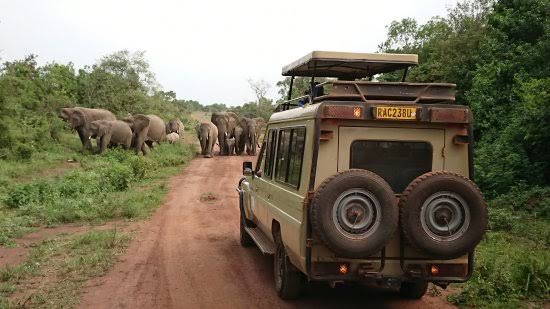
There is a journey available to you in Rwanda that very few travelers know exists — and that almost no one who completes it ever stops talking about. It does not require a domestic flight, a tour group, or a complicated multi-operator booking chain. It requires one vehicle, seven mornings, and the willingness to let Rwanda unfold through your windscreen one extraordinary ecosystem at a time.
In seven days and approximately 750 kilometers of driving, you can stand inside a mountain gorilla’s forest, track chimpanzees through Africa’s oldest rainforest, and watch lions move across an open savannah at dawn — all in a country roughly the size of Maryland. You will cross from volcanic highlands to mist-filled canyons, from ancient tea plantations to shimmering lakeshores, from papyrus wetlands to open plains where rhinos graze in the morning light. You will pass through small market towns, wave at schoolchildren on steep hillside paths, and stop at viewpoints where the landscape drops away in terraces so perfect they look painted.
This is the Three Parks Rwanda safari road trip — and Rwanda Car Rental Services has designed this guide to help you plan and execute it confidently, independently, and with the depth it deserves.
Why This Trip Works: The Logic of the Loop
Rwanda is compact, but it is not uniform. Its three main national parks protect entirely different ecosystems, and they sit at three different compass points from Kigali — creating a natural loop that can be driven clockwise or counterclockwise with roughly equal elegance.
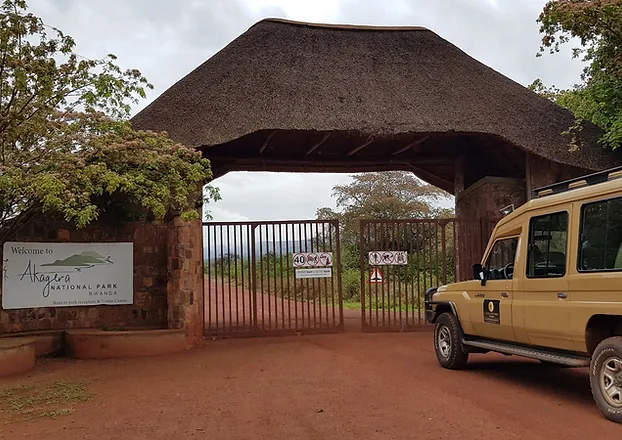
Akagera National Park lies 100 kilometers to the east: Rwanda’s savannah, its Big Five sanctuary, its conservation comeback story. Open plains, wetland lakes, lion territory.
Nyungwe Forest National Park lies 225 kilometers to the southwest: Africa’s oldest montane rainforest, a UNESCO World Heritage Site, the domain of chimpanzees, colobus monkeys, and over 300 bird species.
Volcanoes National Park lies 105 kilometers to the northwest: the Virunga volcanic chain, home to over one-third of the world’s remaining mountain gorillas, and the most emotionally powerful wildlife encounter on Earth.
The clockwise loop — Kigali east to Akagera, then south and west to Nyungwe, then north along Lake Kivu to Volcanoes, then back east to Kigali — is the sequence we recommend at Rwanda Car Rental Services. It places the Big Five safari early in the trip (when energy is high and the spectacle calibrates expectations beautifully), transitions into the intimate forest world of Nyungwe, rewards you with Lake Kivu’s lakeside serenity midway, and saves the gorillas — the emotional apex of any Rwanda trip — for last, so that the memory you carry home is of sitting in silence, ten meters from a silverback, in a bamboo forest in the clouds.
The 30% Gorilla Permit Discount: Spending at least two nights in Akagera or Nyungwe (or one night in each) qualifies international visitors for a 30% discount on the gorilla trekking permit — reducing the price from $1,500 to $1,050 per person. This 7-day itinerary qualifies by design. Confirm eligibility with the Rwanda Development Board when booking your permit. </div>
Before You Go: The Non-Negotiable Planning Checklist
This trip requires advance planning. Do not leave any of the following items for last-minute arrangement.

Gorilla Permit (Book First, Everything Else Second) The $1,500 gorilla trekking permit (or $1,050 with the multi-park discount) is issued by the Rwanda Development Board and must be booked and fully paid in advance. Peak season dates from June to September and December to February sell out a year or more ahead. Your permit date anchors Day 6 of this itinerary — confirm it before booking flights, accommodation, or your vehicle.
Chimpanzee Tracking Permit Nyungwe chimpanzee trekking permits are also booked through the RDB. Treks depart at 5:00 AM and 9:00 AM from the Uwinka or Cyamudongo sectors. Book at least three to six months in advance for peak season.
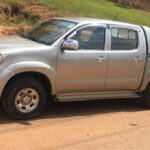
Vehicle Booking A 4WD vehicle is mandatory for this trip. Not recommended — mandatory. The tracks inside Akagera, the mountain approach roads to Nyungwe, and the wet-season lodge access roads at Volcanoes all require 4WD capability and genuine ground clearance. Rwanda Car Rental Services recommends the Toyota Land Cruiser Prado or Land Cruiser V8 for solo travelers or couples, and a 4WD Safari Van for groups of three or more. Contact us to reserve your vehicle around your confirmed permit date.
International Driving Permit (IDP) Obtain this before travel from your home country’s automobile association. Rwanda accepts your national driver’s license alongside the IDP for up to one year. Rental companies and police checkpoints both require it.
Accommodation Book all accommodation before departure, particularly inside Akagera and Nyungwe where options are limited. Peak season fills fast.
Offline Maps Download Rwanda offline maps on Google Maps or Maps.me before arrival. Signal drops in forest zones and remote park areas.
Fuel Planning Fill your tank before entering any national park. Fuel is scarce in Nyungwe and around the twin lakes near Musanze. Carry an extra 10 liters in a certified container for the Nyungwe approach.
The Vehicle: Your Mobile Base for 7 Days
On a trip of this scope, your vehicle is not merely transport — it is your command center, your camera platform, your shelter in the event of afternoon rain, and your connection to every remote corner of the route. Choose it with the same care you give to your accommodation.
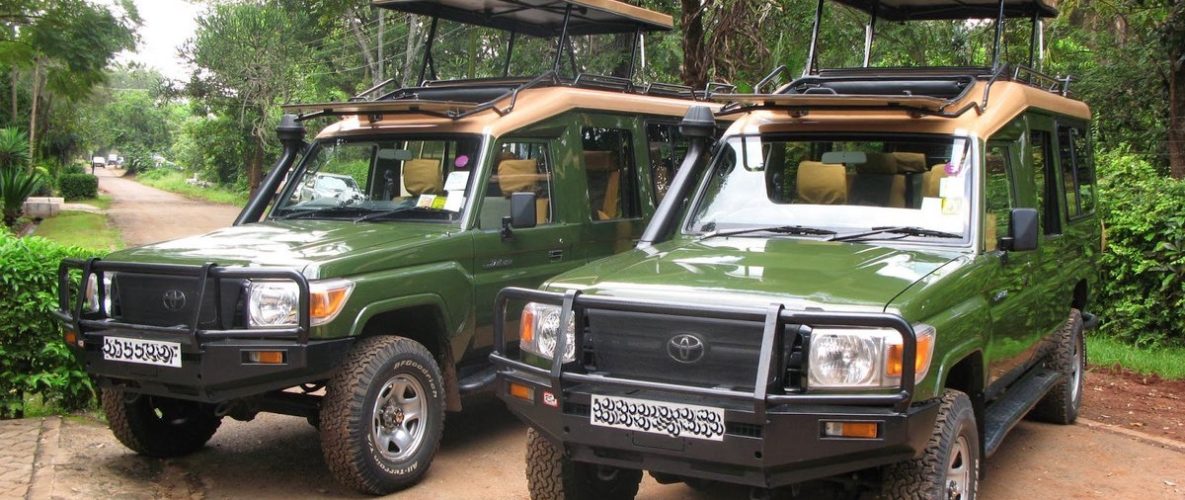
Rwanda Car Rental Services recommends the following for this specific itinerary:
Toyota Land Cruiser Prado (Best for 1–3 travelers): The ideal balance of inter-city comfort and park-track capability. Excellent ground clearance, smooth on highway sections, confident on Akagera’s unpaved circuits, capable on Nyungwe’s steep wet-season approaches. Fuel-efficient enough for the full loop without anxiety.
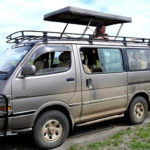
Toyota Land Cruiser V8 with Pop-Up Roof (Best for serious photographers and game-drive enthusiasts): The definitive game-drive vehicle. The elevated pop-up roof allows standing photography across Akagera’s open plains — the difference between snapshots and the game-drive images you actually came for. Exceptional recovery capability for the most demanding park tracks.
4WD Safari Van / Toyota Hiace 4WD (Best for groups of 4–7): Generous passenger and luggage space without sacrificing 4WD capability. The preferred option for families or friend groups where comfort across long inter-park drives is a priority.
Every Rwanda Car Rental Services vehicle for this itinerary is equipped with a full spare tire and jack, recovery tow rope, basic tools, a first-aid kit, and a 24/7 emergency contact number. We also provide printed route guidance and fuel planning notes specific to your travel dates and season.
Day 1: Kigali — Arrival, Orientation, and the Calm Before the Wild
Drive: None (or airport to Kigali city center, ~20 minutes) Overnight: Kigali
Your trip begins in Kigali, and Kigali deserves more than a transactional overnight. Rwanda’s capital is one of Africa’s most genuinely impressive cities — not in spite of its history, but in remarkable dialogue with it. The streets are clean, the architecture is ambitious, and the energy is purposeful in a way that tells you immediately that this is a country that has decided, with great intentionality, what it wants to become.
Morning: Collect your vehicle from Rwanda Car Rental Services. We recommend a morning briefing at our office covering your specific route, current road conditions, park gate timings, and any seasonal considerations relevant to your travel dates. This is the moment to confirm your offline maps are loaded, your permit documents are saved to your phone, and your vehicle is fully understood.
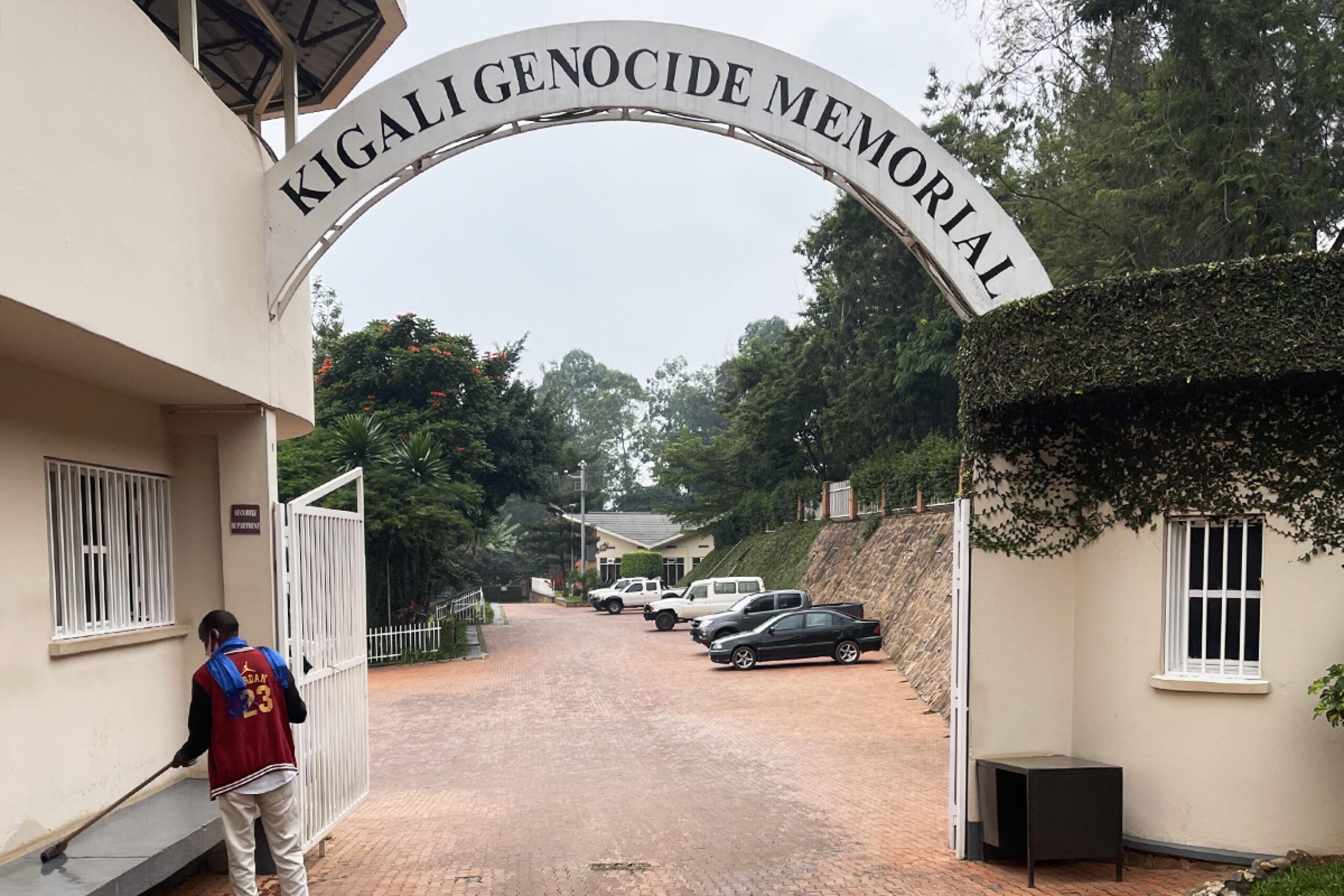
Midday: Begin your Kigali orientation. Start at the Kigali Genocide Memorial in the Gisozi district — the burial site of over 250,000 genocide victims and one of the most thoughtfully designed memorial museums in the world. This is not an optional stop. Rwanda’s present cannot be understood without confronting its past, and the Memorial does this with extraordinary care and dignity. Allow at least two hours. Approach it with solemnity and leave with a deepened sense of what this country has survived and rebuilt.
Afternoon: Head to Kimironko Market — Kigali’s largest open-air market — for an afternoon of genuine urban Rwanda. The market is a feast of color, sound, and craft: woven baskets, imigongo geometric pottery, hand-dyed fabrics, fresh produce, and the organized chaos of a city’s commercial heart. Replenish any supplies you need for the road ahead. Stock up on local snacks — dried mango, roasted groundnuts, fresh passion fruit — that will serve you well on early morning drives throughout the week.
Evening: Kigali’s restaurant scene has grown into one of East Africa’s most diverse. The neighborhoods of Kimihurura and Kiyovu offer everything from wood-fired pizza and craft beer to Rwandan brochettes and isombe served on tiled terraces with city views. Try Heaven Restaurant in Kimihurura for high-quality Rwandan cuisine in a setting that perfectly captures modern Kigali. Retire early — Day 2 begins before dawn.
Rwanda Car Rental Services Tip: Set your alarm for 3:30 AM if you plan to reach Akagera South Gate at opening time (6:00 AM). The drive east is approximately 2.5 hours. A dawn arrival at the gate positions you perfectly for the best game-viewing light of the entire day.
Day 2: Kigali to Akagera National Park — Enter the Savannah
Drive: Kigali to Akagera South Gate (~100 km, 2 to 2.5 hours) Overnight: Inside Akagera National Park
Leaving Kigali heading east before sunrise, you will watch the city give way to dark rolling hills visible only as silhouettes against the pre-dawn sky. As light breaks, the landscape transforms — the terraced hillsides of central Rwanda flatten and warm, the soil reddens, and by the time you approach the Kayonza district, you are driving through a landscape that feels genuinely different from the capital’s green intensity. The savannah corridor of East Africa begins here.
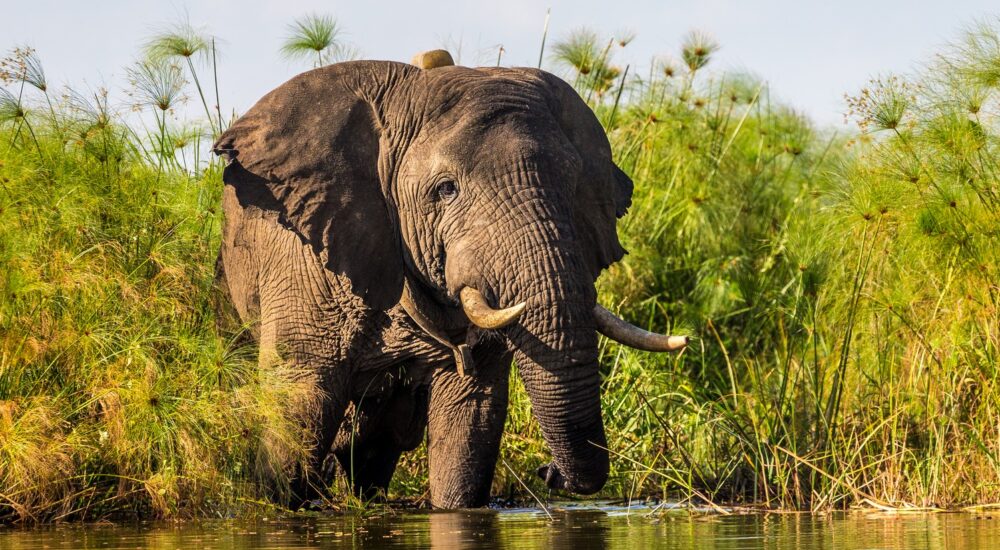
Akagera National Park’s South Gate opens at 6:00 AM. Arriving at opening positions you in the park during the golden hour — the best light of the day and the period when the Big Five are most active. Pay your entry fees (per person, tiered by nationality, with a separate vehicle fee), collect any guide you have pre-arranged, and drive north into one of Africa’s most remarkable conservation stories.
The South Circuit (Morning): The southern section of the park is dominated by Lake Ihema — Rwanda’s largest lake — and the extraordinary wetland complex that surrounds it. Your first sightings are likely to include enormous pods of hippos lounging in the shallows, Nile crocodiles sunning themselves on rocky outcrops, and a procession of waterbirds along the papyrus margins: African open-bill storks, squacco herons, malachite kingfishers, and — if you are fortunate — the prehistoric-looking Shoebill stork, one of Africa’s most sought-after bird sightings.
Elephants frequently visit the southern lake shores during the morning hours. Buffalo move in large herds through the woodland fringing the lake. Giraffes — their population now at 78 individuals — browse the acacia canopy in the transition zone between the southern wetlands and the central savannah.
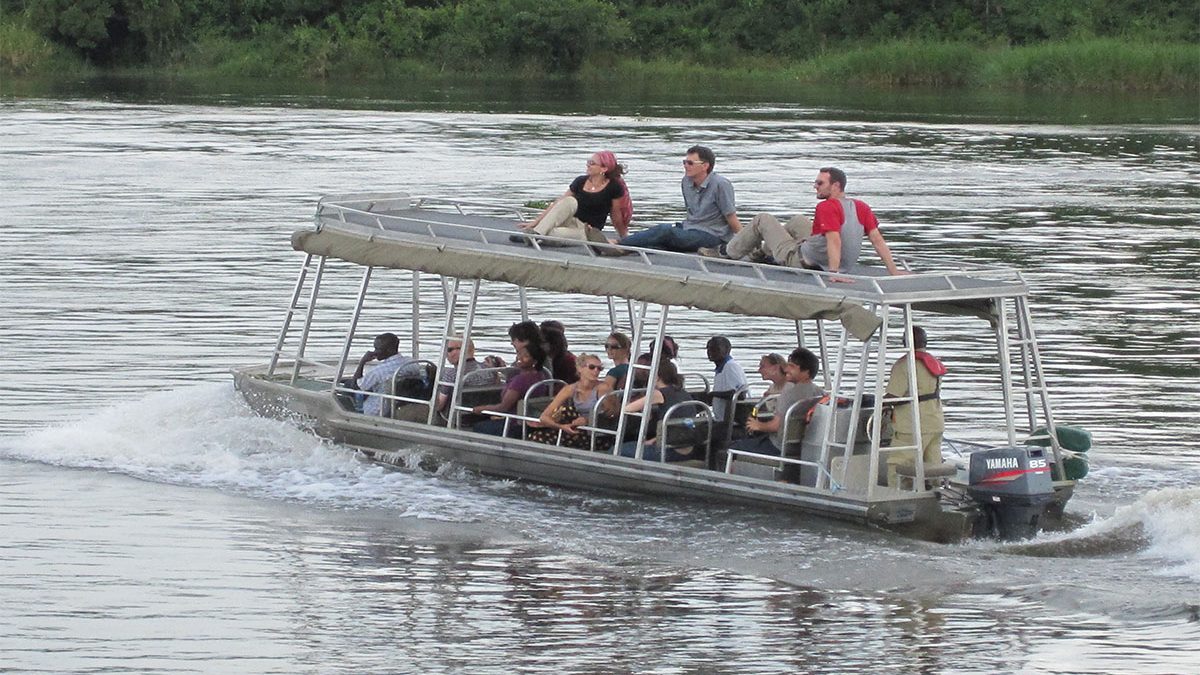
Lake Ihema Boat Safari (Midday): This is not optional. The 2.5-hour boat safari on Lake Ihema is one of the finest wildlife experiences Rwanda offers, and it provides a perspective on the park that no game drive can replicate. From the water, the scale of the hippo population becomes apparent — pods of 30 or more animals, their eyes and ears barely breaking the surface, their bodies looming in the shallows. The crocodiles here are genuinely massive. Book the boat safari in advance or upon gate entry.
The North Circuit (Afternoon): After a packed lunch at one of the park’s designated picnic sites, drive north through the central savannah into the open plains where lion and rhino activity is highest. The landscape opens into sweeping vistas across which you can scan for movement at distance. The pride that inhabits the northern section is regularly tracked by park rangers — a guide in your vehicle dramatically improves your chances of a sighting.
In June 2025, Akagera received 70 additional southern white rhinos as part of the largest single rhinoceros translocation ever recorded — alongside its established population of eastern black rhinos. The park now hosts both species, making it unique in Rwanda. Rhino drives are offered by park guides and are the most reliable way to secure a sighting.
Accommodation:
- Wilderness Magashi (Luxury) — Located in the remote northeastern Magashi Conservancy, this solar-powered camp offers the most exclusive Akagera experience, with private game drives and access to areas unavailable to self-drivers.
- Ruzizi Tented Lodge (Mid-Range Luxury) — Eco-luxury canvas tents on the shores of Lake Ihema, perfectly positioned for both the boat safari and the southern game circuits.
- Karenge Bush Camp (Mid-Range) — Recently renovated; offers ranger-led morning rhino treks as part of the recently expanded program.
- Rhino Lodge (Budget-Friendly) — Simple, clean, and a short drive from the South Gate. Well-suited for self-drivers on a managed budget.
Day 3: A Full Day in Akagera — The Completed Safari Picture
Drive: Within the park (up to 60–80 km on internal tracks) Overnight: Akagera National Park
Akagera rewards two nights with a significantly more complete Big Five picture. The park is large enough — and the animals unpredictable enough — that a single day genuinely risks leaving something important unseen. Day 3 gives you the second attempt, the flexibility to linger, and the time for a night game drive.
Sunrise Game Drive: Exit your lodge before 6:00 AM for the most productive game-drive hours. The grasslands of the northern circuit in the first hour of light are extraordinary — dew on the grass, the temperature still cool, lions returning from nocturnal hunting, and the park’s bird life at peak activity. If Day 2’s lion search was unsuccessful, Day 3’s dawn drive is your best remaining opportunity.
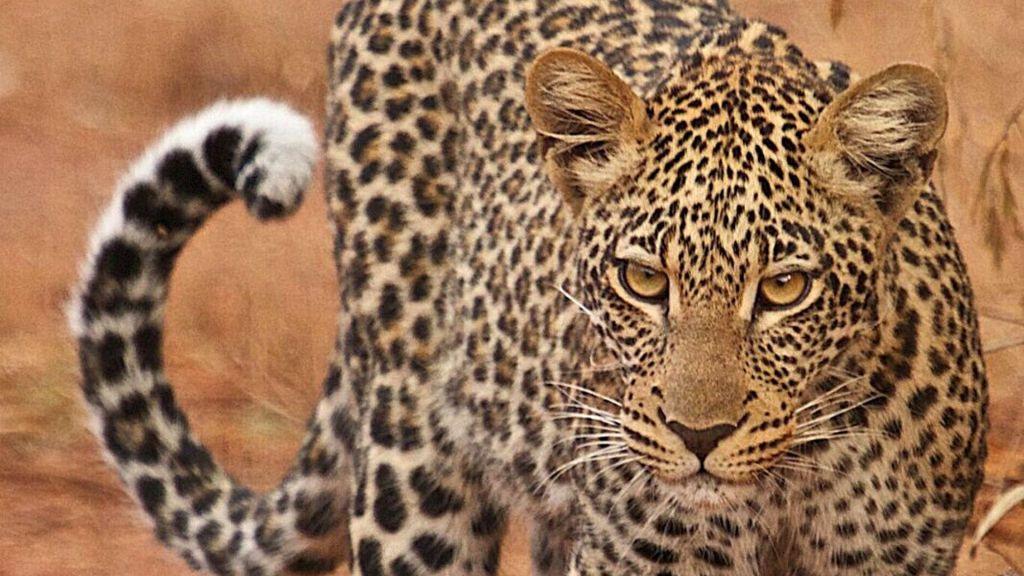
Leopard Reality Check: The leopard is the most elusive of Akagera’s Big Five, and daytime sightings are rare. Do not structure your entire day around leopard expectation. Instead, accept the leopard as a gift the park gives selectively — and plan your night game drive accordingly, as this is when leopard encounters are most likely.
Night Game Drive: The park offers guided night game drives of approximately 2.5 hours, departing at dusk. A spotlight sweeps the darkness to reveal animals invisible to the daytime visitor: civets moving through the undergrowth, hyenas slinking between acacia stands, bush babies clinging to branches with enormous eyes, and — with real luck — a leopard frozen in the beam, blinking once before melting into the night. Book the night drive at your lodge or at the park gate. These fill quickly during peak season.
The Completed Big Five Tally: By the end of Day 3, most visitors to Akagera will have personally encountered elephant, buffalo, hippo, lion, and some form of rhino in their natural habitat — a Big Five safari in a country most people know only for its gorillas. That context is part of what makes this itinerary so powerful.
Day 4: Akagera to Nyungwe Forest — The Great Crossing
Drive: Akagera North/South Gate → Kigali → Huye → Nyungwe (~350 km, 6 to 7 hours) Overnight: Nyungwe National Park
This is the longest driving day of the trip, and it is also one of the most visually rewarding. You are crossing Rwanda diagonally — from its flat, warm eastern savannah through the urban energy of Kigali, south through the cultural heart of the Southern Province, and up into the ancient mountain rainforest of the southwest. The landscape changes so completely that it is almost impossible to believe you are still in the same small country.
Morning: Exit Akagera early. The South Gate is the most efficient exit for the drive to Kigali. Stop in Kigali for a mid-morning fuel fill, a coffee, and a bathroom break. This is also the moment to restock any supplies before the final push south, where services become increasingly sparse.
Nyanza Cultural Stop (Optional but Strongly Recommended): Approximately 80 kilometers south of Kigali on the RN1 highway, Nyanza is home to the King’s Palace Museum — a meticulously restored royal compound telling the story of Rwanda’s pre-colonial monarchy. The Inyambo cattle (the long-horned royal cattle that were symbols of the kingdom’s power) are kept here and are a remarkable sight. Allow 90 minutes if you choose to stop.
Huye (Butare) Lunch Stop: Continue south to Huye — Rwanda’s intellectual and cultural capital — for lunch. The town’s restaurants serve some of the finest traditional Rwandan cuisine outside Kigali: isombe (cassava leaves cooked with palm oil), mizuzu (fried plantain), and fresh-grilled tilapia. The National Museum of Rwanda (Ethnographic Museum) in Huye is one of the finest cultural institutions in East Africa, but given the day’s drive distance, a full museum visit is better saved for a dedicated day trip rather than today.
The Tea Plantation Approach (Afternoon): South of Huye, the road begins its remarkable ascent into the southwest highlands. The landscape transforms as you enter the tea belt — rolling hills carpeted in the precise, symmetrical green geometry of tea cultivation, harvested by workers moving between the rows in bright clothing against an emerald backdrop. This is some of the most visually arresting agricultural scenery in Africa, and the drive through it deserves slow, attentive driving with the windows down.
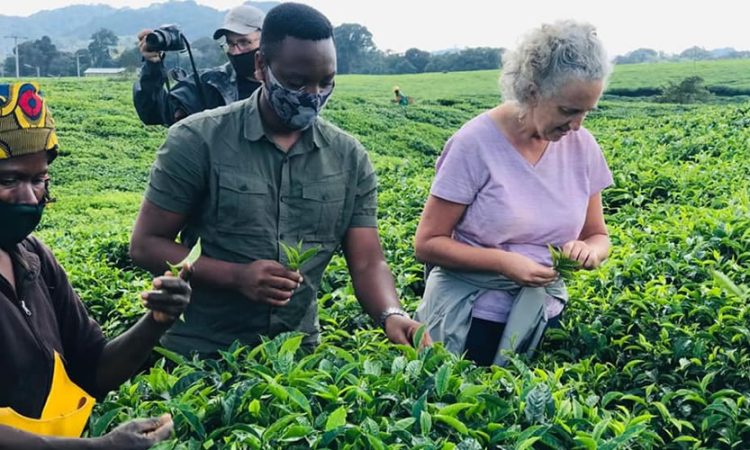
Nyungwe Ascent: The final approach to Nyungwe Forest features hairpin bends that climb steeply into the montane rainforest. Morning mists frequently settle over the canopy on this section, creating an atmosphere of genuine mystery. The air temperature drops noticeably, the vegetation crowds in from both sides, and the first colobus monkeys may appear by the roadside — black-and-white shapes leaping between the canopy edges with effortless acrobatic precision.
Arrive Before Dark: Nyungwe’s park lodge access roads in low visibility are disorienting. Aim to arrive at your accommodation before 5:30 PM. The chimpanzee trekking briefing begins very early on Day 5.
Accommodation:
- One&Only Nyungwe House (Luxury) — Eight wooden villas at the edge of the park, with sweeping views over forest and tea plantations. The most prestigious address in the southwest.
- Nyungwe Forest Lodge (Luxury) — Positioned on a ridge between the forest and the tea estates, with jaw-dropping natural setting and well-regarded guides.
- Gisakura Guest House (Budget-Friendly) — Rwanda’s most popular budget base for Nyungwe activities. Well-located near the Uwinka reception center and highly rated for its practical amenities and warm staff.
- Kitabi EcoCenter (Mid-Range) — Eco-conscious accommodation a short drive outside the park, with its own naturalist programs and community connections.
Day 5: Nyungwe Forest National Park — Into the Ancient Canopy
Drive: Within the park environs Overnight: Nyungwe National Park
Nyungwe National Park is the oldest surviving montane rainforest in Central Africa, covering 386 square miles of highland jungle on the watershed that divides the Nile and Congo river systems. It rises to elevations of over 9,700 feet above sea level, encompasses cloud forest, bamboo stands, and moss-draped highland rainforest, and is home to 13 primate species, over 300 bird species, and more than 1,000 plant species, including 140 orchid varieties.
Although most visitors to Rwanda still head straight for Volcanoes National Park, Nyungwe now means the country should be known not just for gorillas, but for a national park road trip loop. In 2026, this is especially true: Nyungwe recently became a UNESCO World Heritage Site, and a new generation of high-quality lodges has transformed the visitor experience dramatically.
Pre-Dawn: Chimpanzee Trekking Your alarm goes off at 4:00 AM. By 5:00 AM you are at the Uwinka Reception Center, meeting your ranger and fellow trekkers for the morning briefing. By 5:30 AM, you are in the forest.
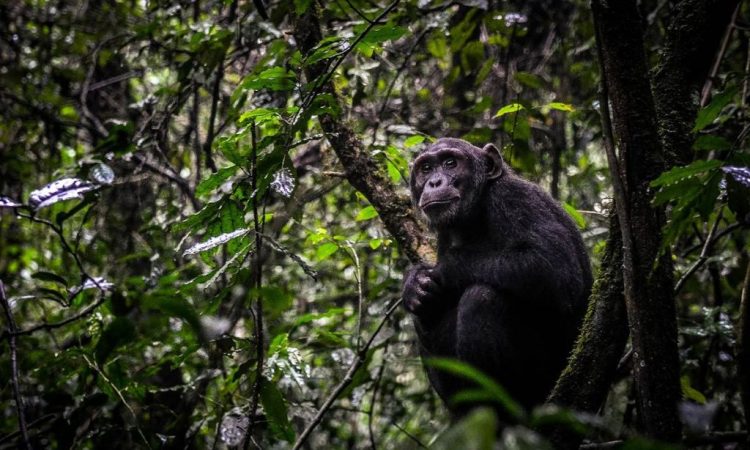
Chimpanzee trekking in Nyungwe is a completely different physical and emotional experience from gorilla trekking. The forest is denser, the terrain more demanding, and the chimpanzees faster and more unpredictable. They move quickly, calling across the canopy in screaming choruses that echo through the trees. Finding them requires real tracking skill from your ranger — following sounds, footprints, and fresh vegetation disturbance through the forest floor. When you do find them, the encounter is electric: chimpanzees swinging between branches overhead, grooming each other on forest floors, juveniles tumbling and wrestling in play.
You will share approximately 99% of your DNA with every chimpanzee in this forest — a fact that becomes viscerally real the moment one turns and looks directly at you with an expression of frank assessment.
Morning: The Canopy Walkway After breakfast at your lodge, the afternoon belongs to Nyungwe’s most iconic tourist experience: the canopy walkway. This suspended bridge system stretches through the forest at 60 meters above the forest floor — a perspective so extraordinary it fundamentally changes your understanding of the ecosystem you have been walking through. Below you, the forest canopy stretches in every direction to the horizon, interrupted by the deep blue glint of Lake Kivu visible far to the west. Around you, birds move at eye level through the canopy: Rwenzori turacos, Great blue turacos, African green broadbills, and dozens of Albertine Rift endemics.
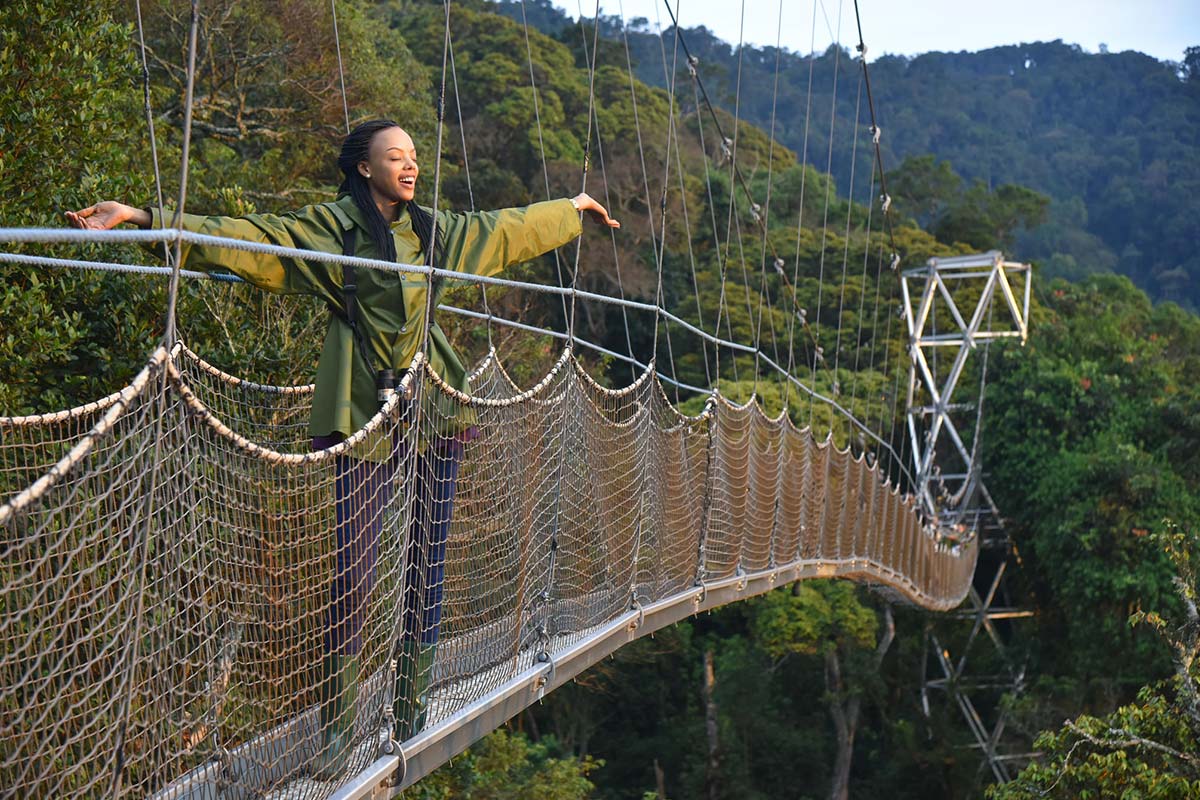
The walkway leads to a viewing platform from which the full scale of the forest becomes apparent. This is one of Rwanda’s defining visual experiences, and every minute of the drive to Nyungwe is justified by this single moment.
Afternoon: Colobus Monkey Walk or Waterfall Trail The black-and-white colobus monkey trek is generally shorter and less physically demanding than the chimpanzee trek, and provides close encounters with one of Nyungwe’s most visually striking primates. Alternatively, the Isumo Waterfall Trail is a 5-hour hike through the forest interior, passing through multiple vegetation zones and emerging at a waterfall in a deeply forested valley — one of the most physically rewarding walks in Rwanda.
What to Wear and Carry: Long-sleeved shirts, long waterproof trousers, good waterproof hiking boots, gaiters (recommended), a lightweight rain jacket, insect repellent, at least 2 liters of water, energy snacks, and a camera with a lens capable of managing the forest’s low light (no flash). The forest floor is often muddy and steep. Poles are recommended.
Day 6: Nyungwe to Lake Kivu to Musanze — The Lakeside Interlude
Drive: Nyungwe → Rusizi → Lake Kivu (Karongi/Rubavu) → Musanze (~280 km, 5 to 6 hours) Overnight: Musanze (near Volcanoes National Park)
Day 6 is the transition day — the bridge between the forest world of Nyungwe and the volcanic highlands of Volcanoes National Park. It is also the most scenically dramatic driving day of the entire trip, and the one that most clearly answers the question: why is Rwanda called the Land of a Thousand Hills?
Morning Departure from Nyungwe: Leave Nyungwe heading north along the western route. As the road descends from the highland forest, Lake Kivu appears on the horizon — a long, shimmering blue body of water framed by the green hills of both Rwanda and the Democratic Republic of Congo across its western shore.
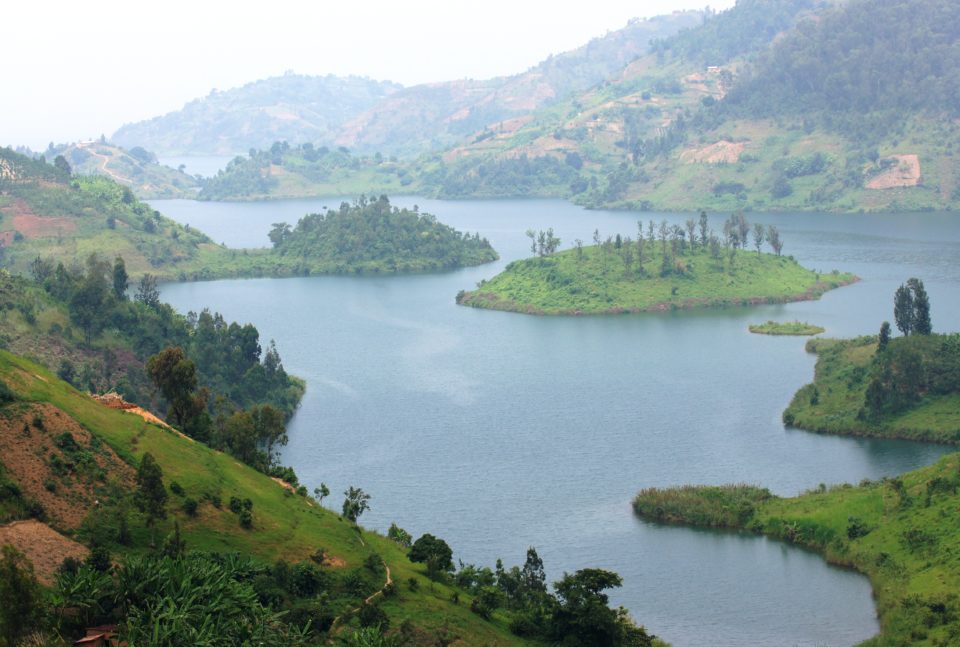
The Lake Kivu Drive: The road along Lake Kivu’s eastern shore is one of Rwanda’s finest driving experiences. The Congo Nile Trail corridor — which traces the watershed between the Nile and Congo river systems — winds through fishing villages, coffee washing stations, and terraced hillside farms, with the lake’s deep blue always present on your left. If time permits, a stop at Karongi (Kibuye) is warmly recommended: this lakeside town, set on a peninsula surrounded by island-dotted water, is widely considered the most beautiful town in Rwanda. A short boat ride to Napoleon Island reveals the lake’s intimate scale and its extraordinary colony of fruit bats.
Rubavu (Gisenyi) Stop: Continuing north, you arrive at Rubavu — the largest lakeside city, sitting directly on the Congolese border with the DRC city of Goma visible across the narrow channel. Rubavu has a distinctly cosmopolitan energy: beachfront promenades, excellent fresh tilapia restaurants, lively bars, and the therapeutic natural hot springs just outside town. Stop for lunch or an early afternoon break before the final ascent toward the volcanic highlands.
The Ascent to Musanze: The final hour of driving climbs dramatically from lake level through the foothills of the Virunga volcanic range. As altitude increases and the savannah warmth of Rubavu gives way to the cool highland air of Musanze, the volcanoes themselves emerge overhead — Karisimbi, Rwanda’s highest peak at 4,507 meters, Bisoke, Sabyinyo, and the others, their upper slopes hidden in cloud. By the time you pull into Musanze as night approaches, you will feel like you have crossed multiple countries in a single day. You have, in a sense — Rwanda is that varied.
Set your alarm for 4:00 AM. Tomorrow is the gorillas.
Accommodation near Volcanoes National Park:
- Bisate Lodge (Luxury) — Arguably Rwanda’s most celebrated lodge. Six volcanic pod villas with panoramic views of the Virunga range, immersive community connections, and impeccable guiding. A once-in-a-lifetime accommodation.
- Singita Kwitonda (Luxury) — Set on the foothills of the Virunga Volcanoes at the park boundary; the most architecturally distinctive option in the area.
- One & Only Gorilla’s Nest (Luxury) — Twenty-one treehouses across the jungle of the Virunga foothills; extraordinary setting.
- Da Vinci Gorilla Lodge (Mid-Range) — Well-reviewed, comfortable mid-range option in Musanze with solid guiding connections.
- Muhabura Lodge (Budget-Friendly) — Reliable, well-located budget base close to the Kinigi briefing headquarters.
- Amahoro Guest House (Budget-Friendly) — Popular with independent travelers; clean, friendly, and centrally positioned in Musanze.
Day 7: Volcanoes National Park — The Gorillas
Drive: Musanze to Kinigi Headquarters (15 km), then back to Kigali (~120 km, 2.5 hours) Overnight: Return to Kigali or depart Rwanda
There is no way to adequately prepare for what happens in a gorilla family’s forest. You can read every description, study every photograph, watch every documentary — and nothing prepares you for the first moment of real contact. When a mountain gorilla looks at you, it is not the look of an animal encountering a human. It is something closer to recognition. The intelligence behind those eyes is immediate, unmistakable, and profoundly humbling.
5:00 AM: Depart for Kinigi Your lodge will have organized breakfast before 4:30 AM on trek day. By 5:00 AM you should be on the road from Musanze to the Kinigi Headquarters, approximately 15 kilometers away. The mountain air at this hour is cold and clear. The road to Kinigi passes through small communities already waking for their day — smoke rising from cooking fires, the silhouettes of farmers heading uphill into the pre-dawn dark.
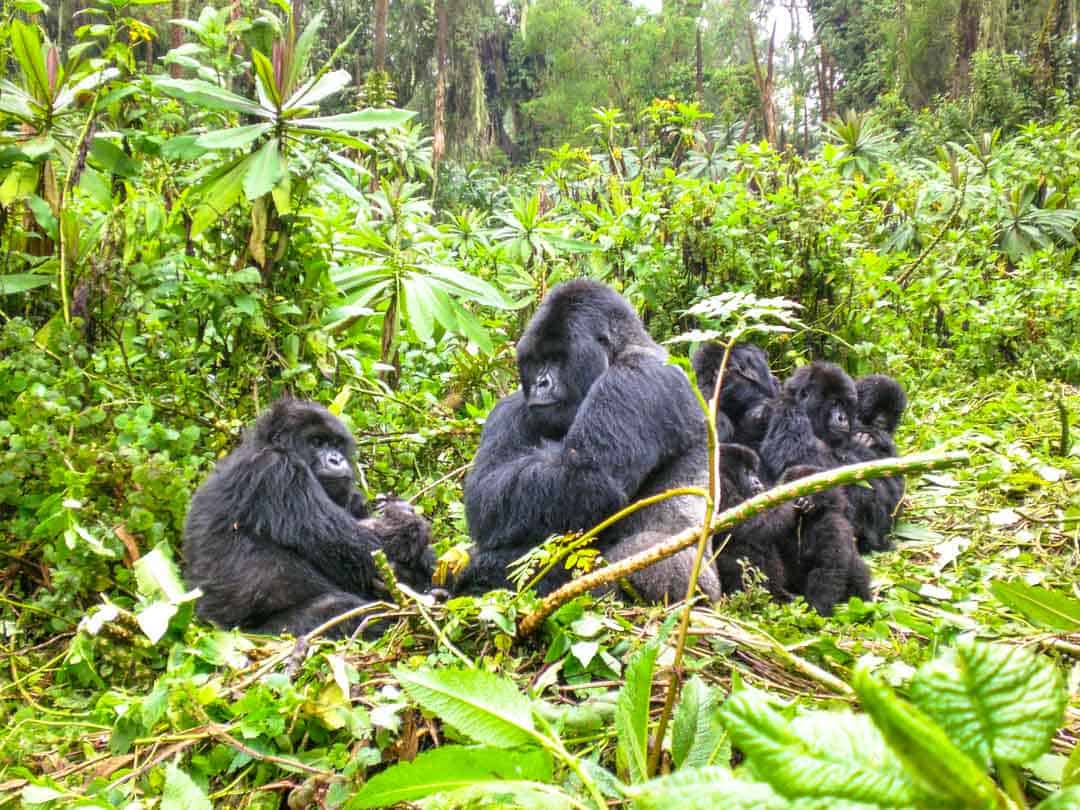
7:00 AM: The Briefing Every gorilla trek begins at the Kinigi Headquarters with a mandatory briefing led by Rwanda Development Board rangers. Your group is assigned to one of the park’s 12 habituated gorilla families, based on fitness level, group composition, and availability. Each family is visited by a maximum of 8 people per day. You receive your guide assignment, review trekking regulations, and prepare your camera (no flash; high ISO; fully charged battery — bring two).
The Trek Begins From the briefing site, vehicles drive to the relevant trailhead. The hike from the forest edge to the gorilla family’s current location varies from 30 minutes to six hours depending on how far the family has moved since the previous day’s tracking. The terrain is steep, muddy, and beautiful — bamboo forest gives way to higher-altitude vegetation zones as you climb, with occasional clearings where the Virunga peaks appear in brief, dramatic frames.
Your trackers — rangers who enter the forest before dawn to locate the family’s sleeping site — communicate via radio as you approach. The guide raises a hand. The group stops. Voices fall to whispers. Through a gap in the vegetation, a black shape moves.
One Hour with the Gorillas You will have exactly 60 minutes with the gorilla family. The rules — 7-to-10-meter minimum distance, surgical mask worn at all times, no flash photography, no sudden movements, no eating or drinking — exist to protect the gorillas from human stress and disease. In practice, the gorillas often approach of their own accord, which is when the rules about standing still and remaining calm become most important.
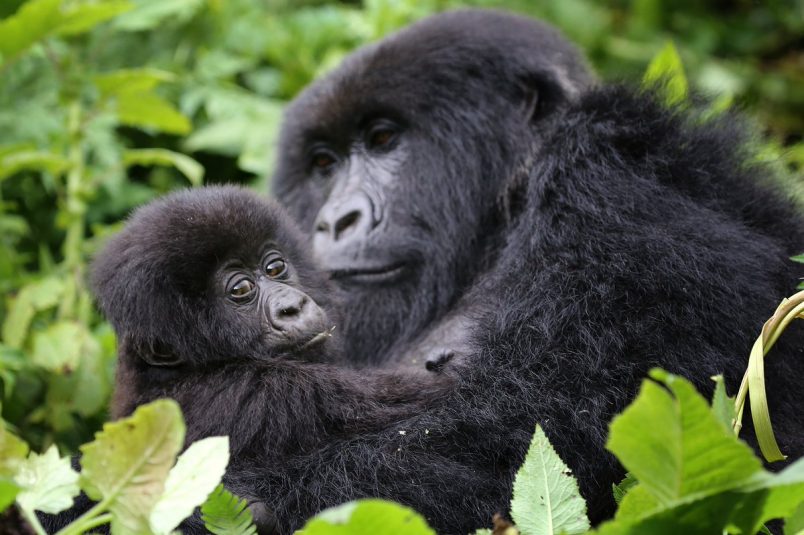
What you will witness in that hour depends entirely on the family’s mood and activity that day. You may see infants wrestling in play while their mothers watch with tolerant disinterest. You may see juveniles swinging between bamboo stalks directly above your head. You may see the silverback — the family patriarch, weighing 180 to 220 kilograms, with a gaze of absolute authority — rise from a resting position and walk deliberately toward you, stopping three meters away to assess whether you represent any threat to his family.
He decides you do not, settles back to the ground, and resumes eating.
In that moment, seven days of driving and planning and early mornings and long forest walks resolve into a single, irreducible experience. This is why you came to Rwanda.
After the Trek Return to Kinigi for your certificate — the RDB issues a completion certificate to all trekkers as a memento — and take time to process the morning with your group. Most people sit quietly for a while. Some cry. This is considered entirely appropriate.
Afternoon: Optional Golden Monkey Trek or Cultural Visit If time and energy permit before the drive back to Kigali, two afternoon options stand out near the park:
The Golden Monkey Trek is a shorter, less physically demanding primate experience in the bamboo forest below the main gorilla habitat. These energetic, brilliantly colored primates — endemic to the Virunga volcanic range — move through the bamboo in fast, acrobatic leaps that are pure photographic delight. Permits are available through the RDB and are significantly less expensive than the gorilla permit.
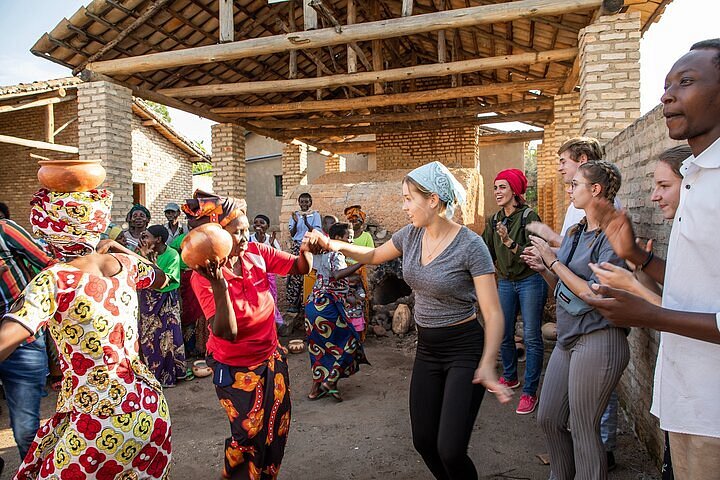
The Gorilla Guardians Village (formerly Iby’Iwacu Cultural Village) provides one of Rwanda’s finest community tourism experiences: former poachers who have been integrated into conservation and community development programs share traditional culture, dance, craft, and personal conservation stories. It is a moving and genuinely educational afternoon stop that connects the economic logic of conservation to the lives of the people living alongside it.
The Drive Back to Kigali Departing Musanze by 3:00–4:00 PM returns you to Kigali by 6:00–7:00 PM — in time for a final dinner in the capital before your departure the following morning. The drive south through the Thousand Hills at dusk, with the volcanic peaks behind you, is a fitting conclusion to a week that has taken you through every ecosystem Rwanda holds.
The Full Itinerary at a Glance
| Day | Route | Key Experience | Distance |
|---|---|---|---|
| 1 | Arrival in Kigali | Genocide Memorial, Kimironko Market, City Orientation | Minimal |
| 2 | Kigali → Akagera | Big Five Game Drive, Lake Ihema Boat Safari | ~100 km |
| 3 | Full Day in Akagera | North Circuit Lions & Rhinos, Night Game Drive | 60–80 km internal |
| 4 | Akagera → Kigali → Huye → Nyungwe | Great Crossing, Tea Plantations, Forest Arrival | ~350 km |
| 5 | Full Day in Nyungwe | Chimpanzee Trekking, Canopy Walkway | Minimal driving |
| 6 | Nyungwe → Lake Kivu → Musanze | Lakeside Drive, Napoleon Island, Volcano Approach | ~280 km |
| 7 | Musanze → Volcanoes → Kigali | Gorilla Trekking, Optional Golden Monkeys, Return | ~135 km |
Total driving distance: approximately 725–750 km over 7 days.
Budget Planning Guide
This trip can be executed across a wide range of budget levels. Here is a framework to help you plan:
Permits and Park Fees (Fixed costs per person)
- Gorilla trekking permit: $1,050 (with multi-park discount) or $1,500 (standard)
- Chimpanzee trekking permit: approximately $100 per person
- Akagera park entry: tiered by nationality — confirm current rates with the RDB
- Nyungwe canopy walkway: approximately $60 per person
- Lake Ihema boat safari: approximately $40 per person
- Night game drive (Akagera): approximately $25 per person
Vehicle Rental Daily rates vary by vehicle type and rental duration. A 7-day rental of a Toyota Land Cruiser Prado from Rwanda Car Rental Services typically works out significantly cheaper per day than equivalent guided tour vehicle costs. Contact us for a specific quote tied to your travel dates.
Fuel Budget approximately 50 liters of diesel for the full route based on the Land Cruiser Prado’s fuel economy across a mix of highway and park-track driving.
Accommodation The range is wide. Budget travelers can complete this trip staying at Rhino Lodge (Akagera), Gisakura Guest House (Nyungwe), and Amahoro Guest House (Musanze) for well under $100 per person per night. Mid-range options average $150–300 per night. Luxury properties (Bisate, One&Only, Magashi) start from $600–$1,200 per night.
Seasonal Advice
Dry Season (June–September & December–February): The ideal window for this trip. Park tracks are firm and consistently drivable, wildlife congregates around permanent water sources in Akagera, gorilla tracking trails are less slippery in Volcanoes, and the road over the highlands to Nyungwe is at its most manageable. Accommodation and permits book out fastest during these months — plan 6–12 months in advance.
Green Season (March–May & October–November): The landscape is stunning — Nyungwe is particularly extraordinary when the forest is full of moisture and birdsong. Akagera’s vegetation is lush and photogenic. Fewer tourists mean more personal wildlife encounters and lower lodge rates. The trade-off: mountain roads to Nyungwe and Volcanoes can be slippery, some Akagera tracks become temporarily impassable after heavy rain, and a 4WD is more essential than ever. The multi-park gorilla permit discount applies during the green season, making this the most cost-effective time to complete the trip.
Why Drive It Yourself?
A guided tour of the same three parks is available from many operators in Rwanda. So why choose Rwanda Car Rental Services and a self-drive?
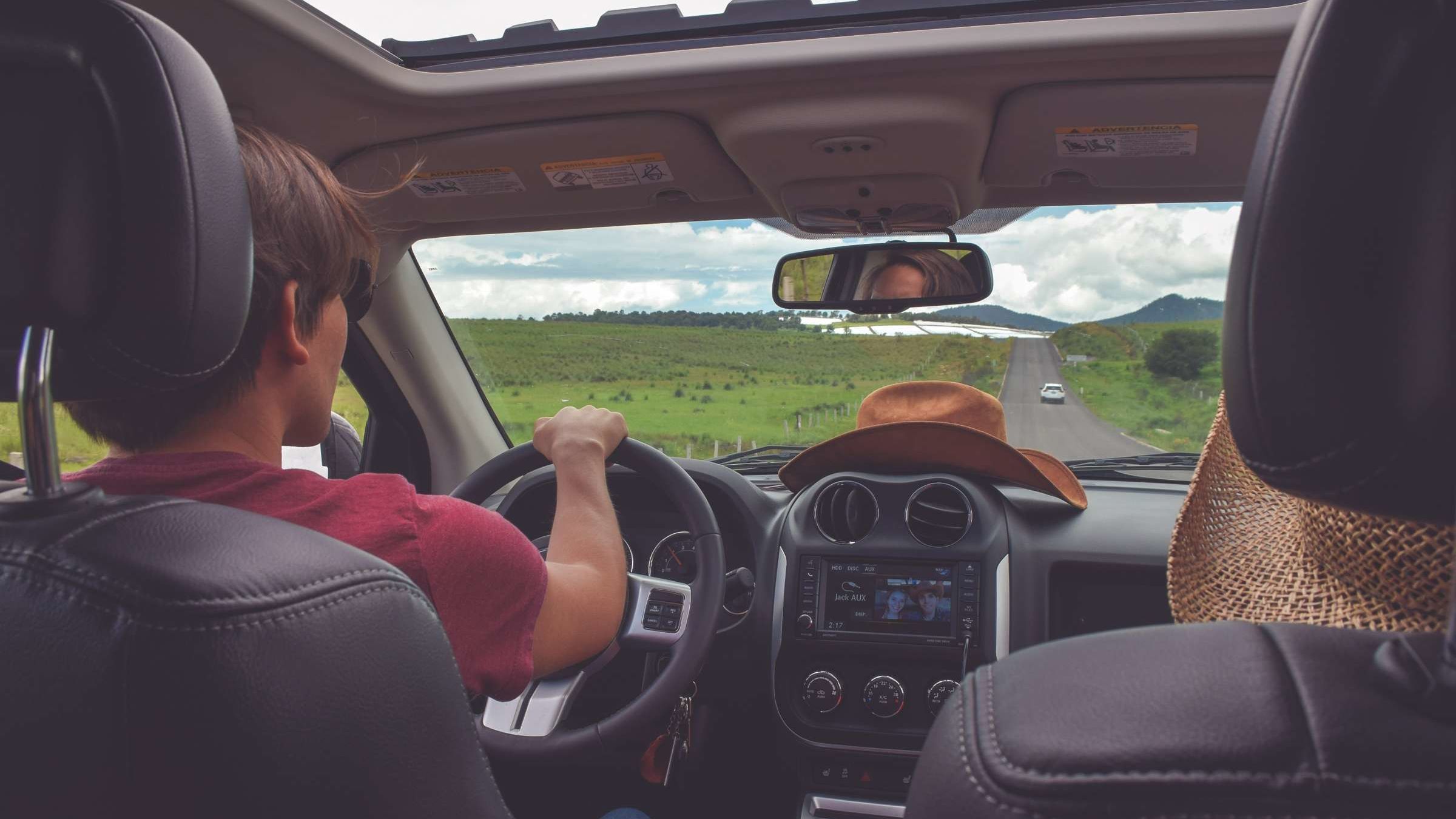
Timing is yours. You reach Akagera at gate opening. You stay in the north circuit until the light fails. You linger at the viewpoints above Lake Kivu as long as the sunset holds. You eat breakfast at 4:30 AM without waiting for a group to assemble. No tour operator schedule governs your day.
The drive itself is the experience. Rwanda’s inter-park roads are extraordinary. The descent from the volcanic highlands to Lake Kivu, the approach to Nyungwe through the tea plantations, the first appearance of the Virunga peaks on the Musanze approach — these are not transfers to be slept through. They are part of the trip, and a self-driver is present for every one of them.
It costs less for groups. A 4WD rental shared between two, three, or four travelers costs a fraction of the per-person rate on a guided group tour. Those savings can go toward a better lodge, an extra permit, or simply toward the next trip.
Rwanda is genuinely easy to self-drive. The roads are excellent, the signage is clear, the country is safe, and the park systems are organized for independent visitors. This is not a country that requires a guide to navigate safely. Rwanda Car Rental Services provides the vehicle, the route knowledge, and the backup — the adventure is yours.
A Final Word from Rwanda Car Rental Services
Seven days. Three parks. One vehicle. Gorillas, chimpanzees, lions, rhinos, elephants, leopards, hippos, 300 bird species, volcanic peaks, ancient forest, open savannah, mist-covered tea fields, and the deep blue waters of Lake Kivu.
Rwanda has built all of this within the borders of one of Africa’s smallest countries, through conservation investment, community partnership, and a genuine national commitment to protecting the natural world. Every permit you purchase, every park entrance fee you pay, and every night you spend inside a park lodge feeds directly back into the system that makes this trip possible.
Rwanda Car Rental Services is here to make your self-drive version of this journey as seamless, safe, and deeply rewarding as possible. We provide the right vehicle for every section of the route, the local knowledge that comes from years of supporting travelers across these exact roads, and the peace of mind of knowing that expert help is available at any point along the way.
Contact us to begin your booking of rental car and gorilla permits today by sending an email to info@rwandacarrentalservices.com or call us now on +256-700135510.
About The Author

More Stories
Cheap Car Rental in Rwanda: 10 Ways to Save on Your Rental
Cheap Car Rental in Kigali: Find Affordable Cars Nearby
Rwanda Car Rental Booking: When to Reserve Your Car