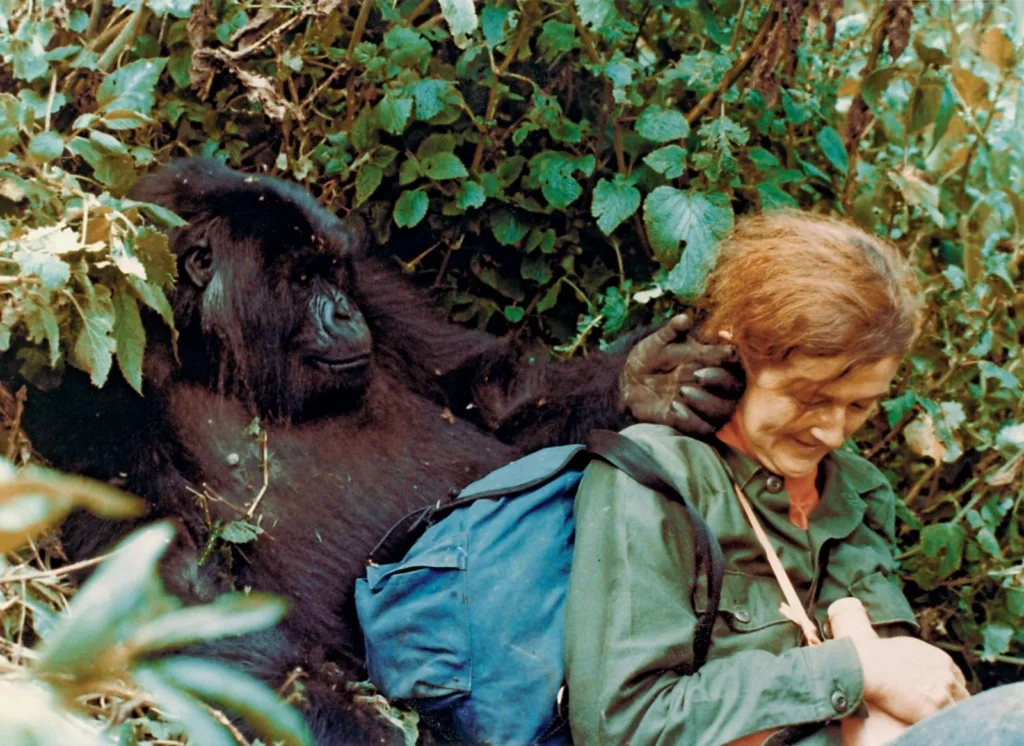
Gorilla trekking in Rwanda is widely regarded as one of the most extraordinary wildlife experiences on earth. The chance to sit mere metres from a silverback mountain gorilla — a creature that can weigh over 180 kilograms and yet regards you with apparent calm curiosity — is the kind of encounter that travellers describe as life-changing. But before you book your permit and lace up your hiking boots, one question naturally rises to the surface: is it actually safe?
The short answer is yes — gorilla trekking in Rwanda is exceptionally safe, both in terms of the wildlife encounter itself and the broader country context. But “safe” is not the same as “without any considerations.” A thoughtful traveler deserves a full picture: the security situation, the wildlife risks, the physical demands, the health precautions, and the potential risks that remain so you can prepare accordingly. This guide covers all of it.
Rwanda as a Country: Is It Safe to Visit?
Before considering the gorillas themselves, it is worth addressing the destination. Rwanda has one of the strongest safety reputations on the African continent, a remarkable transformation given the country’s history.
Rwanda is considered one of the safest countries in the world for tourists. The chances of being mugged or having property stolen in Rwanda are reportedly lower than in many Western cities. Security is tight throughout the country, with a visible police presence, and the government has made safety and stability a foundational national priority since the genocide of 1994. For over two decades, Rwanda has enjoyed consistent peace and political stability — a track record that has made it an anchor destination for East African tourism.
Kigali, the capital city, is famously clean, well-organised, and easy to navigate. Crime targeting tourists is uncommon, though basic urban caution — minding your belongings in crowded markets, using reputable transport — remains sensible practice in any city worldwide.
Volcanoes National Park, where all gorilla trekking in Rwanda takes place, benefits from dedicated tourism police, military protection, ranger patrols, and strict conservation monitoring. It is, by any measure, one of the most heavily protected wildlife areas on the entire continent.
How Does Rwanda Compare to Other Gorilla Trekking Destinations?
Mountain gorillas exist in only three countries: Rwanda, Uganda, and the Democratic Republic of Congo (DRC). In terms of safety, Rwanda and Uganda are the clear choices for international visitors. The DRC’s Virunga National Park, though a site of incredible ecological value and home to gorillas, has experienced significant challenges from armed groups and periodic park closures due to regional instability. For this reason, the vast majority of experienced operators and travel advisors recommend Rwanda or Uganda for gorilla trekking, with Rwanda widely regarded as the more accessible, better-organised, and more visitor-friendly of the two.
Are Mountain Gorillas Dangerous?
This is perhaps the most instinctive concern for first-time trekkers, and it is worth addressing directly. Mountain gorillas — despite their imposing size and the somewhat fearsome reputation they carry from wildlife documentaries — are not aggressive animals by nature. They are frequently described by guides and researchers as “gentle giants,” and this characterization is well-earned.
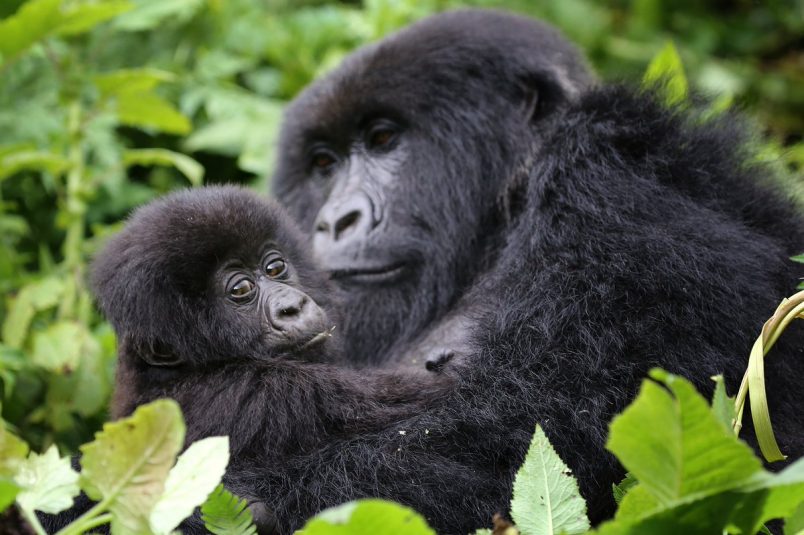
Adult silverbacks can stand 1.7 metres tall and weigh up to 220 kilograms, making them immensely powerful. Yet gorillas are herbivores with complex, peaceful social lives. Their typical day involves eating, resting, playing, and maintaining family bonds — not threatening humans.
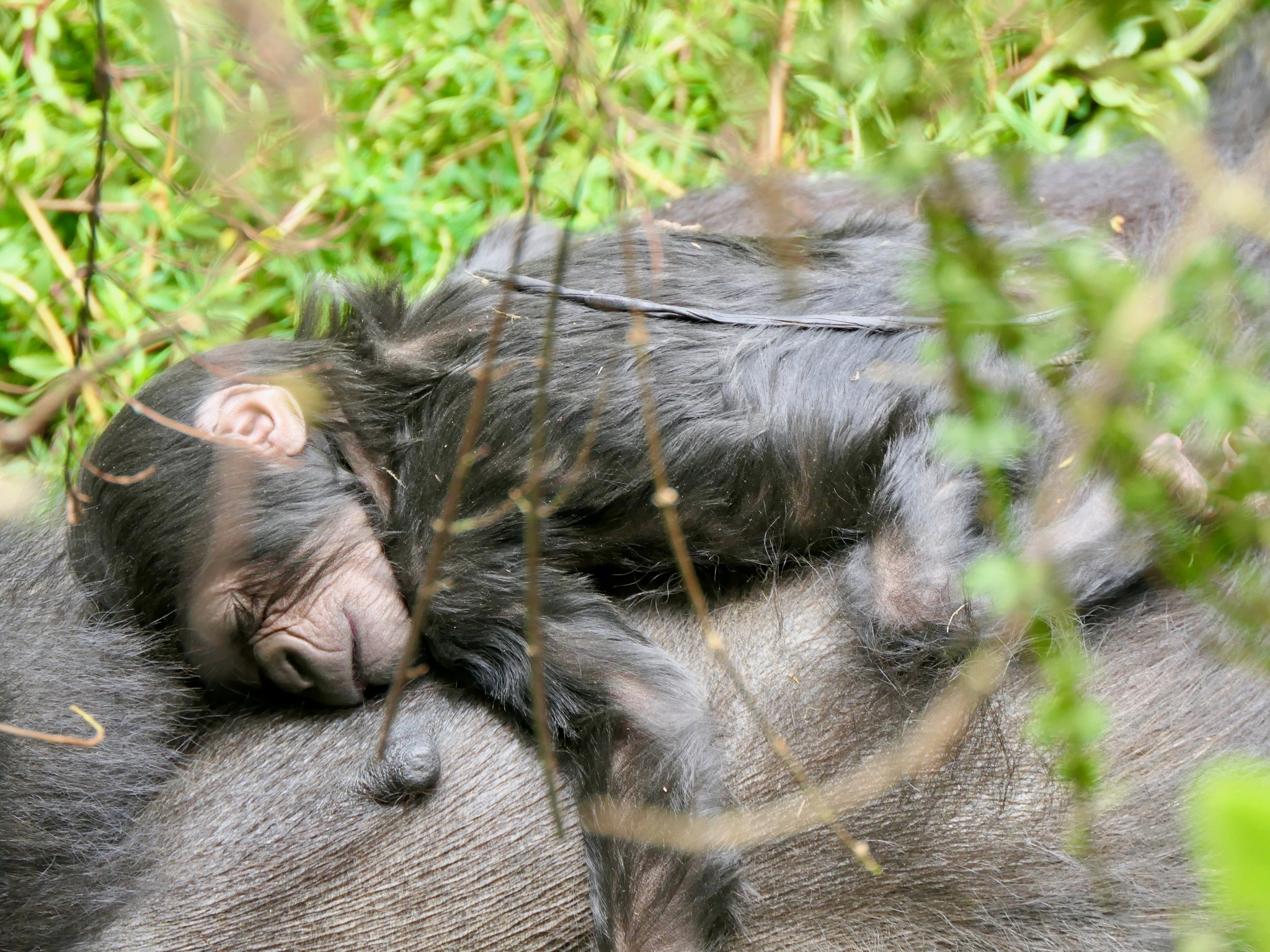
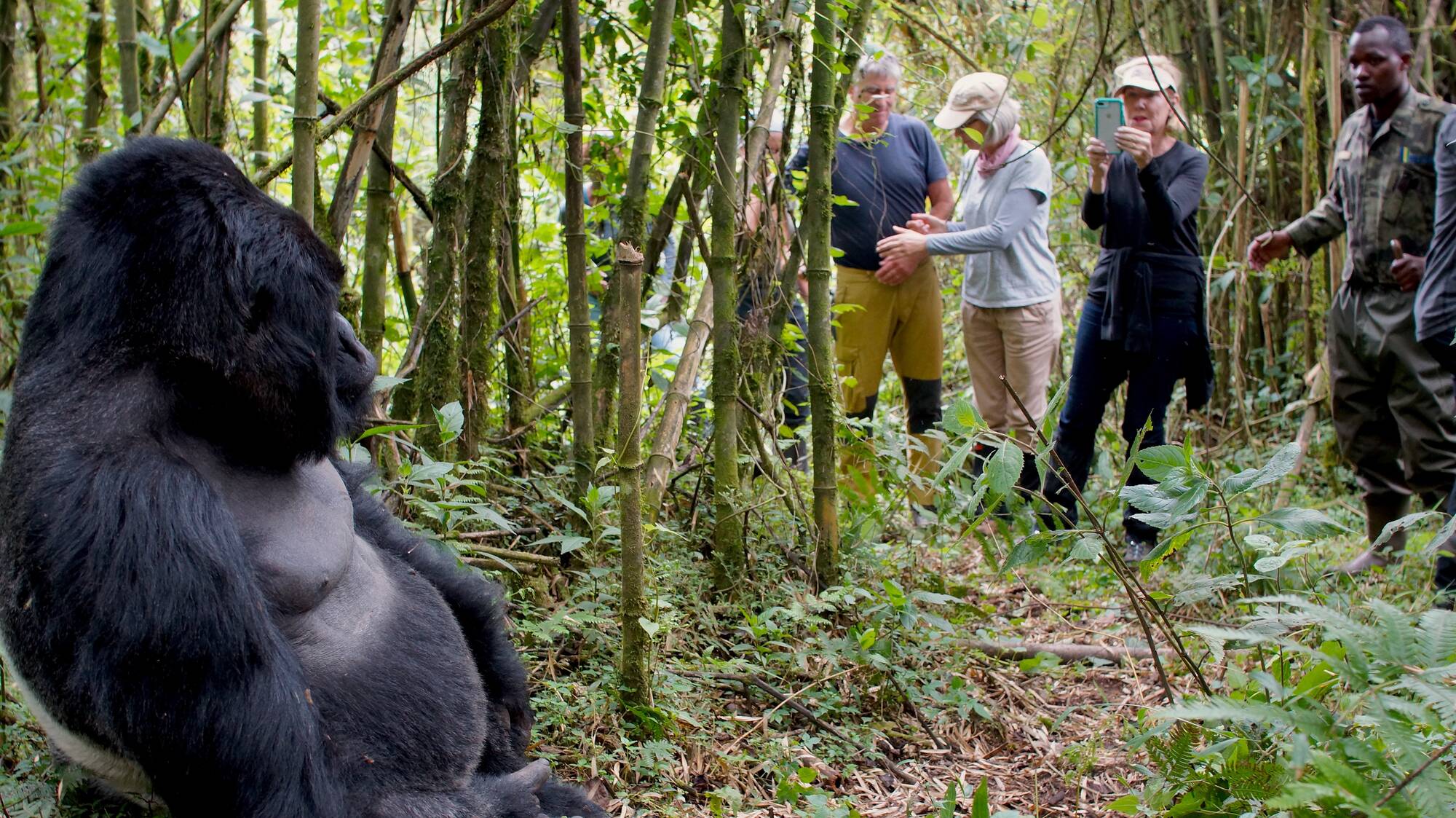
The gorilla families that tourists visit in Rwanda’s Volcanoes National Park are habituated families. Habituation is a carefully managed process, conducted by scientists and park rangers over two to three years, during which gorilla groups are slowly and gently accustomed to the presence of humans at close range. By the time a family is opened to trekking tourism, they are relaxed around visitors — they go about their daily business, largely ignoring the small group of wide-eyed humans watching them from a short distance.
Gorillas can become defensive, particularly when it comes to protecting their young. Silverbacks will sometimes bluff-charge if they feel a threat to their group. However, guides are highly trained to read gorilla body language and to de-escalate any situation before it becomes dangerous. If a gorilla approaches closer than the required distance, trekkers are instructed to remain still, avoid eye contact, crouch low, and move back slowly. Running is never advised — it can trigger a chase response in any wild animal. These protocols are effective, and serious incidents involving gorillas and tourists on regulated treks are extremely rare.
Safety Measures and Regulations: A World-Class System
Rwanda’s gorilla trekking safety system has been refined over decades and is among the most rigorous wildlife tourism protocols in the world. Here is how it works in practice.
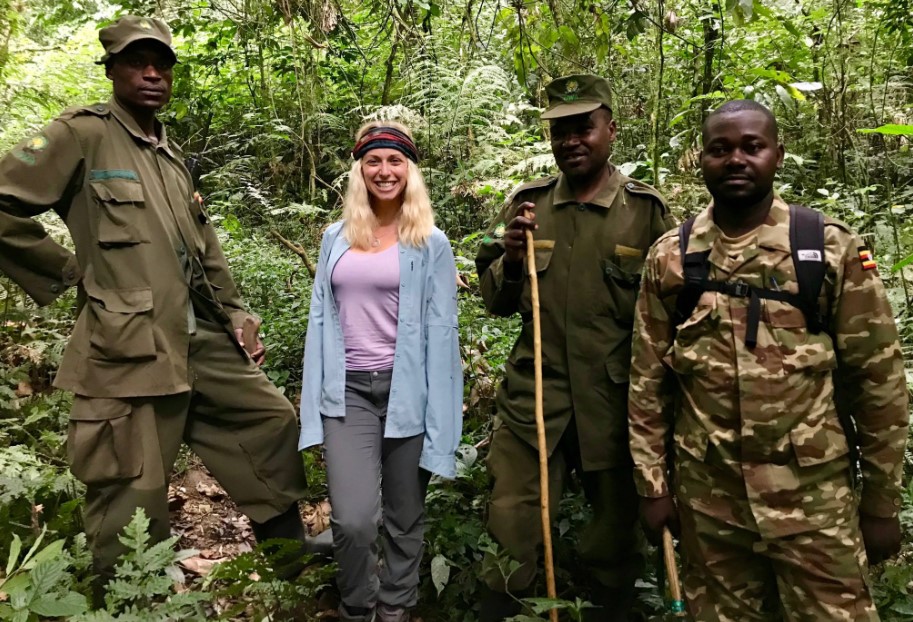
Armed Rangers on Every Trek
Each trekking group is escorted by trained, experienced guides and at least one or two armed rangers throughout the entire duration of the hike. The rangers are primarily there to protect visitors from other forest wildlife — buffalo and forest elephants pose a greater theoretical risk than gorillas — and to respond to any unexpected situation. They are in constant radio contact with other ranger teams across the park.
Advance Tracking by Expert Trackers
Early each morning, before tourists depart for the forest, specialist trackers enter the park to locate the gorilla families and establish their current position. This means that trekking groups are guided directly toward the gorillas rather than wandering through unknown terrain in search of them. It reduces time spent in the forest unnecessarily and ensures that groups arrive efficiently and safely.
Strict Group Size Limits
The Rwanda Development Board (RDB) permits a maximum of eight visitors per gorilla family per day. This ceiling serves multiple purposes: it prevents crowding around the gorillas, reduces stress on the animals, makes the group easier to manage on challenging terrain, and creates a more intimate and controlled experience for visitors. The one-hour time limit with each family is strictly enforced.
Mandatory Pre-Trek Briefings
Before entering the park, all visitors attend a mandatory briefing at the Kinigi park headquarters. Rangers explain gorilla behaviour, the dos and don’ts of the trek, communication protocols, and emergency procedures. This briefing is not a formality — it is an essential part of the safety system, and trekkers are expected to internalise the rules before setting foot in the forest.
Minimum Distance Rules
Visitors must maintain a minimum distance of seven metres from the gorillas at all times. This protects both parties — reducing the risk of gorillas feeling threatened, and significantly reducing the potential for disease transmission between humans and great apes. If a gorilla approaches closer on its own accord (which occasionally happens), rangers will instruct the group on how to respond.
Age Restrictions
Gorilla trekking in Rwanda is restricted to those aged 15 and above. This rule exists because younger children can be difficult to control in an unpredictable forest environment — they may react suddenly, make noise, or panic, all of which can disturb the gorillas. Age is verified using official identification documents at the park gate.
Physical Safety: What Are the Real Challenges on the Trail?
Gorilla trekking is not a stroll through a manicured park. It is a trek through dense equatorial rainforest, often on steep, muddy, and uneven terrain, at altitude. This is perhaps the most underappreciated safety consideration for many visitors.
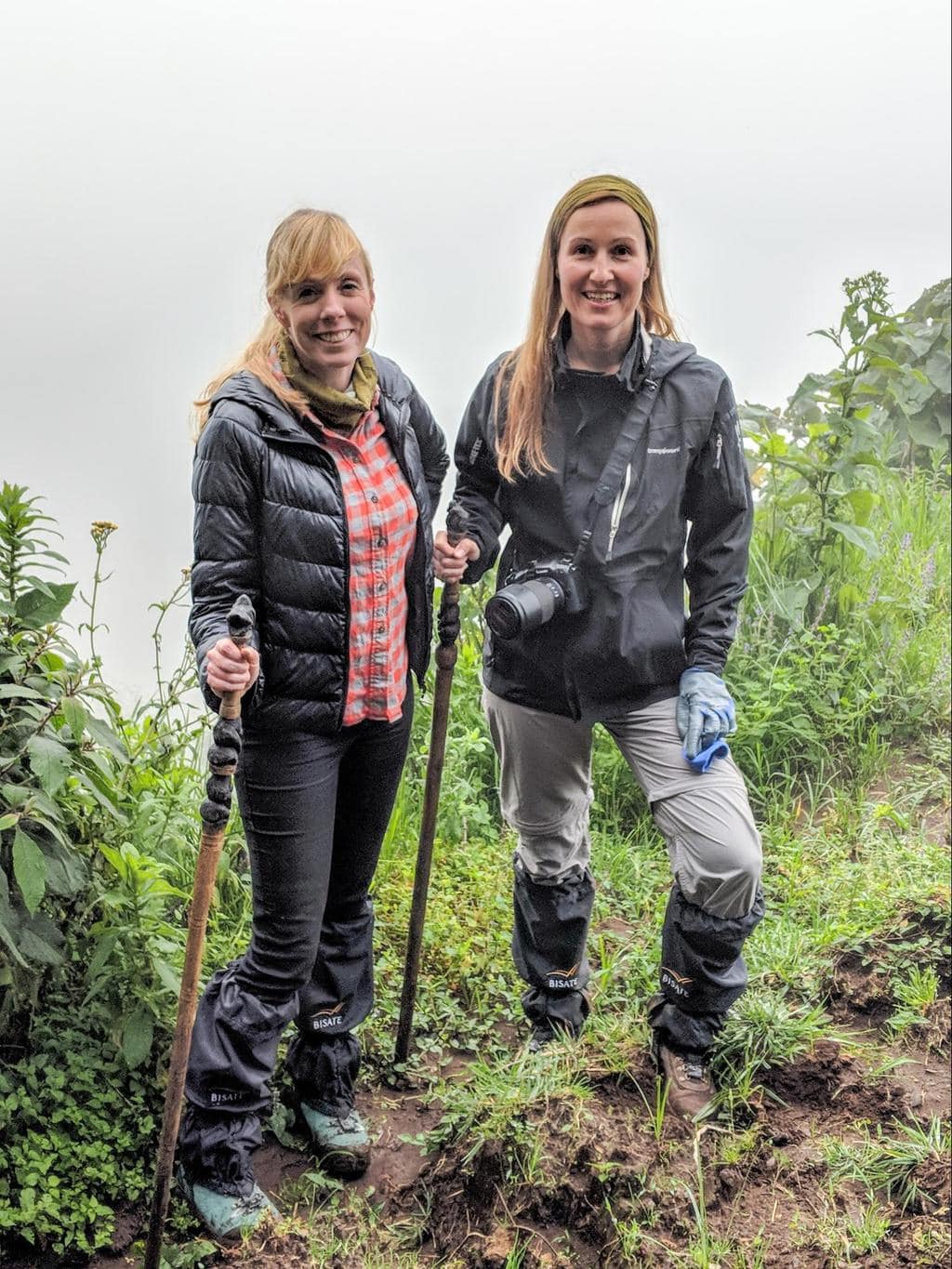
Treks in Volcanoes National Park typically range from two to nine hours in duration, depending on the day-to-day location of the gorilla family assigned to your group. The forest can be slippery, with tangled roots, loose volcanic soil, and sudden changes in gradient. Trekkers at higher elevations may feel the effects of altitude, and the humidity in the bamboo forests remains high even in the dry season.
The main physical risks are falls, sprains, and general exhaustion. These are mitigated by:
- Wearing sturdy, waterproof hiking boots with ankle support
- Using a trekking pole (strongly recommended, and usually available from porters)
- Hiring a porter — this is something many first-time trekkers underestimate the value of. Porters carry your bag, provide a steadying hand on difficult sections of trail, and are an invaluable support throughout the trek. They also provide direct employment for local community members.
- Being honest about your fitness level during the pre-trek briefing, so guides can assign you to a group appropriate for your ability
- Staying hydrated and carrying enough water (at least one to two litres)
Gorilla trekking does not require elite fitness. Older visitors and those with moderate mobility regularly complete successful treks. However, if you have cardiovascular conditions, significant mobility impairments, or serious joint issues, it is wise to consult a doctor before travelling and to discuss your situation candidly with your operator. Sedan chairs carried by porters are available for those who need extra support on difficult sections.
Health Considerations: Protecting Yourself and the Gorillas
Mountain gorillas share approximately 98% of human DNA. This remarkable genetic closeness is what makes encountering them so profound — and it is also what makes them so vulnerable to human disease. A common cold that a human would shake off in a few days can potentially be devastating to a gorilla family, spreading rapidly through a group that has no built-up immunity to many human pathogens.
This vulnerability is why Rwanda enforces strict health protocols that protect the gorillas as much as the visitors.
If You Are Sick, You Cannot Trek
This rule is absolute. If you arrive at the morning briefing displaying symptoms of illness — a fever, cough, runny nose, or flu-like condition — rangers will deny you entry to the park. There is no negotiating this, and responsible operators will reinforce it in advance. Respiratory infections are particularly dangerous for gorillas. If you develop symptoms the night before your scheduled trek, the right thing to do — for the gorillas’ sake — is to report it.
Recommended Vaccinations
No single vaccination is legally mandatory for gorilla trekking specifically, but several are strongly recommended:
- Yellow Fever — proof of vaccination may be required for entry depending on your country of origin
- Hepatitis A and Typhoid — advisable given exposure to food and water in rural environments
- Tetanus — a routine booster is sensible given the physical nature of the trek
- Malaria prophylaxis — malaria is present in Rwanda, including in areas around Volcanoes National Park, and antimalarial medication is strongly advised. Consult a travel health clinic or GP well before departure.
- Rabies — worth considering if you plan wider wildlife activities in the region
Consult a travel medicine specialist or your GP at least six to eight weeks before travelling to discuss your individual vaccination and medication needs.
Malaria and Insects
While the high altitude of Volcanoes National Park (1,500–4,500 metres) reduces mosquito activity compared to lowland Rwanda, the risk is not zero. Long-sleeved clothing, insect repellent containing DEET, and antimalarial medication are all recommended. The clothing you wear for gorilla trekking — full-length trousers, long sleeves, tucked-in socks — also provides a practical barrier against insects and plant scratches.
Medical Facilities
It is worth noting that medical facilities in rural areas of Rwanda, including the region around Volcanoes National Park, are limited. Kigali has better-equipped hospitals and clinics. For this reason, comprehensive travel insurance with medical evacuation cover is an essential investment for any gorilla trekking trip.
What to Wear and Pack: Safety-Oriented Preparation
Preparation reduces risk. Here is what experienced trekkers and guides recommend:
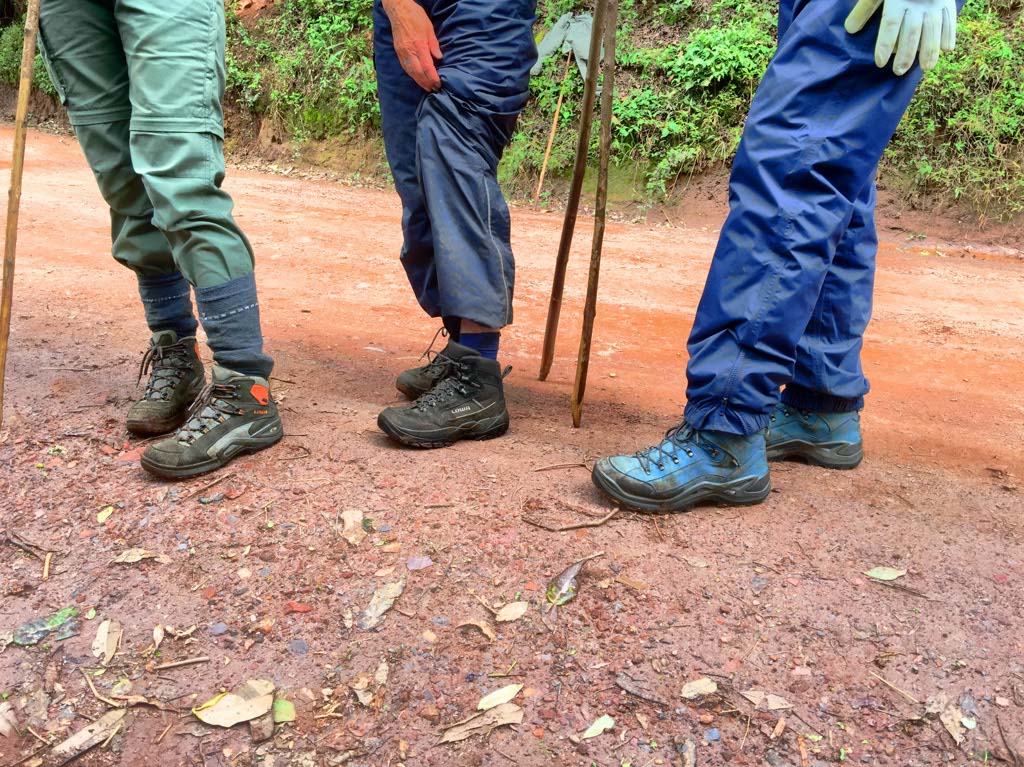
- Sturdy, waterproof hiking boots with ankle support — the single most important item of gear
- Long-sleeved shirt and long trousers — protects against insects, nettles, scratches, and sun
- Long, thick socks — tuck your trousers in to prevent ticks and insects reaching the skin
- Lightweight rain jacket — rain can arrive quickly even in the dry season
- Garden or work gloves — useful when grabbing branches or vegetation for balance
- Wide-brimmed hat and sunscreen
- Insect repellent — DEET-based
- 1–2 litres of water and snacks for the trail
- Camera without flash — flash photography is prohibited as it can startle the gorillas
- Face mask — recommended during close-proximity gorilla encounters as an added disease prevention measure, regardless of whether it is currently mandated
Neutral, earthy tones are preferred for clothing. Bright colours can attract insects and may be more conspicuous in the forest environment. Avoid blue clothing specifically, as it can attract tsetse flies.
Choosing a Safe and Reputable Tour Operator
The quality of your operator significantly affects your safety and the overall experience. Rwanda’s gorilla trekking is well-regulated, but booking with a registered, reputable operator matters. Look for:
- Registration with the Rwanda Development Board (RDB) and the Rwanda Tours & Travel Association
- Genuine reviews on independent platforms such as TripAdvisor and travel forums
- Clear communication about safety protocols, physical requirements, and permit booking
- Transparent pricing (permits cost USD $1,500 per person — operators including significant markups above this should be questioned)
- Experience arranging permits well in advance, as demand consistently outpaces supply, particularly during the dry seasons
Avoid purchasing permits from unofficial or unverified sources. Genuine gorilla permits are legal documents issued by the Rwanda Development Board, and fraud — while not rampant — does occur.
The Best Time to Go: Safety and Conditions
Rwanda’s gorilla trekking operates year-round, but conditions vary by season.
Dry seasons (June–September and December–February) are the most popular and the most comfortable for trekking. Trails are less muddy, rainfall is minimal, and temperatures are pleasant. These months are considered the safest for trail conditions, and gorilla visibility in the bamboo forests tends to be better.
Wet seasons (March–May and October–November) bring heavier rainfall, muddier and more slippery trails, and reduced visibility. The risk of falls increases on rain-soaked slopes. That said, there is a silver lining: gorillas often descend to lower altitudes in the wet season (making treks shorter), fewer tourists compete for permits, and the forest is lush and dramatically atmospheric. Rangers will not guide groups into genuinely unsafe areas regardless of season.
Is Gorilla Trekking Safe for the Gorillas? The Ethical Dimension
Any complete discussion of safety in gorilla trekking must grapple with a deeper question: is the activity safe for the gorillas themselves?
The argument in favour of conservation-through-tourism is compelling. Permit fees — at USD $1,500 per person in Rwanda, the highest in the world — fund anti-poaching patrols, ranger salaries, veterinary care for injured and sick gorillas, habitat protection, and community development projects. This economic value has directly contributed to a steady and significant rise in mountain gorilla numbers, to the point where the species was reclassified from “Critically Endangered” to “Endangered” — a rare conservation success story.
The daily presence of rangers and guides in the park also creates a powerful deterrent against poachers.
However, the proximity of daily human visits carries inherent pressure. Ongoing research monitors stress hormones and behavioural changes in habituated gorilla groups. Responsible management responds to this by limiting group sizes to eight visitors, enforcing strict time limits of one hour per visit, maintaining rest days for each gorilla family, and constantly monitoring their health and behaviour. The disease transmission risk — the most serious ecological risk of the activity — is addressed through the health screening protocols described above.
Rwanda’s gorilla trekking, when conducted responsibly, is widely regarded by conservation scientists as a net positive for gorilla survival. But it depends on each visitor doing their part: following the rules, staying home when sick, maintaining distance, and choosing operators who operate with genuine conservation commitment.
Final Verdict: Should You Go?
Gorilla trekking in Rwanda is one of the safest, most rigorously managed wildlife experiences available anywhere in the world. Rwanda itself is one of Africa’s most stable and visitor-friendly nations. The gorillas are habituated, the rangers are professional and armed, the protocols are strict and well-enforced, and millions of visitors have completed treks with an exceptional safety record.
The real risks — a slippery trail, the physical demands of a long hike, the standard health considerations of any Sub-Saharan African destination — are all manageable with the right preparation, the right gear, comprehensive travel insurance, and a good tour operator.
If you are physically capable, healthy at the time of your trek, and prepared to follow the rules, gorilla trekking in Rwanda is not just safe — it is one of the most extraordinary, humbling, and unforgettable wildlife encounters on the planet.
This article is for informational purposes only. Always consult current government travel advisories, a qualified travel medicine specialist, and the Rwanda Development Board’s latest regulations before booking your trip.
More Stories
Cross Border Car Rental: Driving from Rwanda to Uganda
Rent a Car in Rwanda For Self Drive & With A Driver
Renting a Car in Rwanda With Kids: Safety & Child Seat Tips